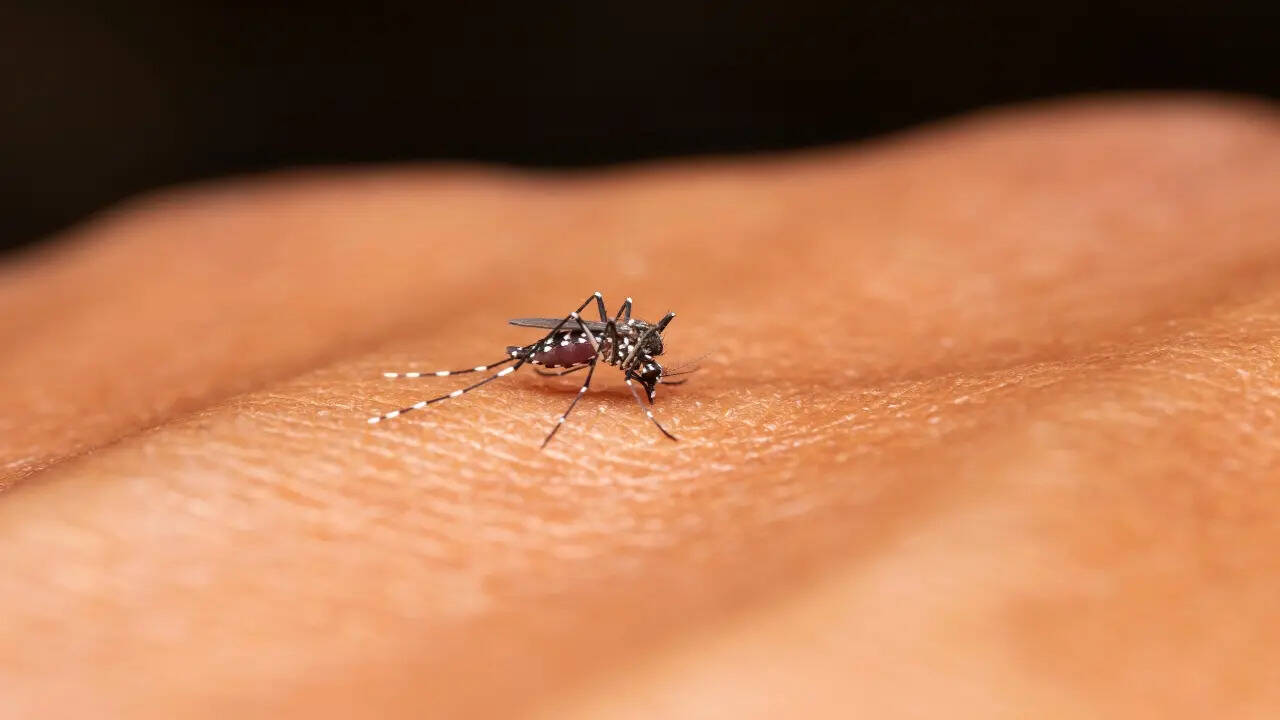
Delhi-NCR witnessed unexpected showers in the city this year in the month of April. Before the heatwave could get as severe as it usually is every season, there were a few days where the national capital witnessed refreshing showers—but as it turns out, these showers often increase the risk of diseases like malaria. Yes, unexpected showers may bring temporary relief from heat, but they also quietly reset the risk for diseases like malaria. The concern today is not just rainfall, but how changing climate patterns are shifting the timeline of disease transmission—often weeks before the monsoon fully arrives.Ahead of World Malaria Day, Dr Suranjit Chatterjee, Senior Consultant-Internal Medicine, Indraprastha Apollo Hospital, Delhi, spoke about the effects of such unexpected rains ahead of the monsoon season.Has the malaria pattern changed?Malaria has long been seen as a monsoon-linked illness, but that pattern is changing. Intermittent rainfall, rising temperatures, and increased humidity are now creating ideal breeding conditions much earlier in the year. Even a short spell of rain can lead to water accumulation in urban areas—on terraces, construction sites, in clogged drains, and in poorly managed storage spaces. These become hidden breeding grounds for mosquitoes, accelerating their life cycle and increasing the risk of early transmission.When should you get tested for malaria?From a healthcare perspective, this shift is significant. The first fever after early showers is often overlooked or dismissed as a seasonal viral infection. However, malaria in its early stage can closely resemble common viral illnesses, presenting with symptoms such as fever, chills, headache, body ache, and fatigue. This overlap frequently delays diagnosis. Any fever that persists beyond 2–3 days, recurs, or does not respond to basic treatment should be tested promptly. Early detection remains critical to preventing complications.What are the symptoms of malaria?Early malaria can look like a common viral fever. The symptoms of the disease are: Body achesFeverChills Weakness HeadachesMalaria prevention mattersWaiting for the monsoon to begin preventive action is no longer effective. The response must start with the first signs of rain. Clearing drains, eliminating stagnant water, monitoring construction zones, and ensuring proper waste management are essential early steps. At the household level, covering water containers, maintaining clean terraces, and regular checks for water accumulation can significantly reduce risk. Some of the key precautions to take against malaria are the following:Use a mosquito repellent before going outdoorsWear long sleeves and light coloured clothesUse bed netsAvoid keeping the windows open, especially in the evening Standing water are breeding ground for malaria; avoid water sit in coolers or pots for too longA year-round public health priorityWorld Malaria Day serves as a reminder that malaria prevention is not seasonal—it is continuous. In an era of unpredictable weather patterns, cities and communities must adapt quickly. Acting only when cases begin to rise means reacting too late. The real shift lies in recognising that prevention must begin with the first unexpected shower, not the peak of the monsoon.