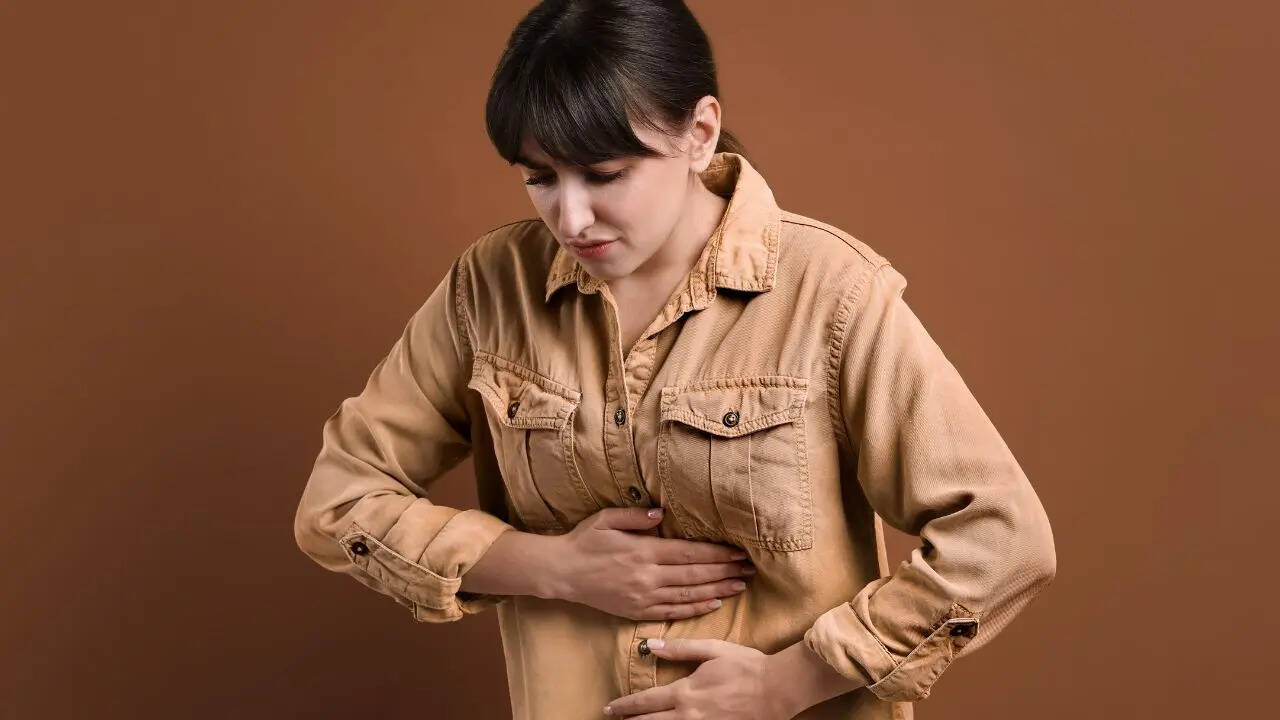
People experiencing certain symptoms are being urged to stay at home as a highly contagious virus spreads quickly across England. Fresh figures from the UK Health Security Agency show a 47% rise in cases during the first two weeks of 2026. This sudden jump has led the agency to remind the public about basic hygiene steps that play a key role in limiting the spread. Data suggests that norovirus is affecting people aged 65 and above the most, and although overall activity remains within normal seasonal levels, there has been a noticeable increase in outbreaks in hospital settings.The latest UKHSA surveillance update also points to falling levels of flu, COVID-19, and RSV in the opening week of the year. While all winter virus levels are currently where they would be expected for this time of year, people are being encouraged to continue following simple precautions to help keep infections on a downward path.What Is Norovirus?Norovirus is an extremely infectious virus that irritates the stomach and intestines, causing gastroenteritis. It often leads to sudden vomiting, diarrhoea, nausea, and stomach cramps, and in some cases may be accompanied by fever or body aches. Although it is sometimes referred to as the “stomach flu,” it has no link to influenza. The virus spreads easily through contaminated food or water, shared surfaces, or close contact with someone who is infected. According to the Cleveland Clinic, most otherwise healthy individuals recover within a few days with rest and fluids, but preventing dehydration and avoiding passing the virus on to others is essential.Norovirus SymptomsCommon symptoms of norovirus include:Nausea.Vomiting.Diarrhoea.Stomach pain.You may also experience:Headache.Fever.Body aches.Symptoms usually develop between 12 and 48 hours after exposure and typically last for one to three days.Doctors Report New Symptoms Of NorovirusBoth flu and norovirus can behave unpredictably, with case numbers rising and falling throughout the season. This makes simple preventive steps especially important. For illnesses affecting the stomach or respiratory system, such as norovirus, regular handwashing remains one of the most effective measures.Health experts stress that alcohol-based hand sanitisers do not work against norovirus. Washing hands thoroughly with soap and warm water, along with cleaning surfaces using bleach-based products, is far more effective in reducing the spread. Good ventilation indoors can also help limit the transmission of respiratory viruses like flu. Anyone who develops symptoms is advised to stay at home whenever possible.If going out cannot be avoided, wearing a face covering may help, particularly when around people who are more vulnerable.Amy Douglas, Lead Epidemiologist at the UKHSA, said, according to the Mirror: “We have seen a clear rise in norovirus cases in recent weeks, particularly among people aged 65 and over, alongside an increase in hospital outbreaks. Although levels are still within what we would normally expect, there are simple actions people can take to stop norovirus spreading further.“Washing hands with soap and warm water and cleaning surfaces with bleach-based products are key steps. Alcohol gels do not kill norovirus, so they should not be relied on alone.“If you have diarrhoea and vomiting, do not return to work, school, or nursery until 48 hours after symptoms have stopped, and avoid preparing food for others during this time. If you are unwell, please stay away from hospitals and care homes to protect those most at risk from infection.”