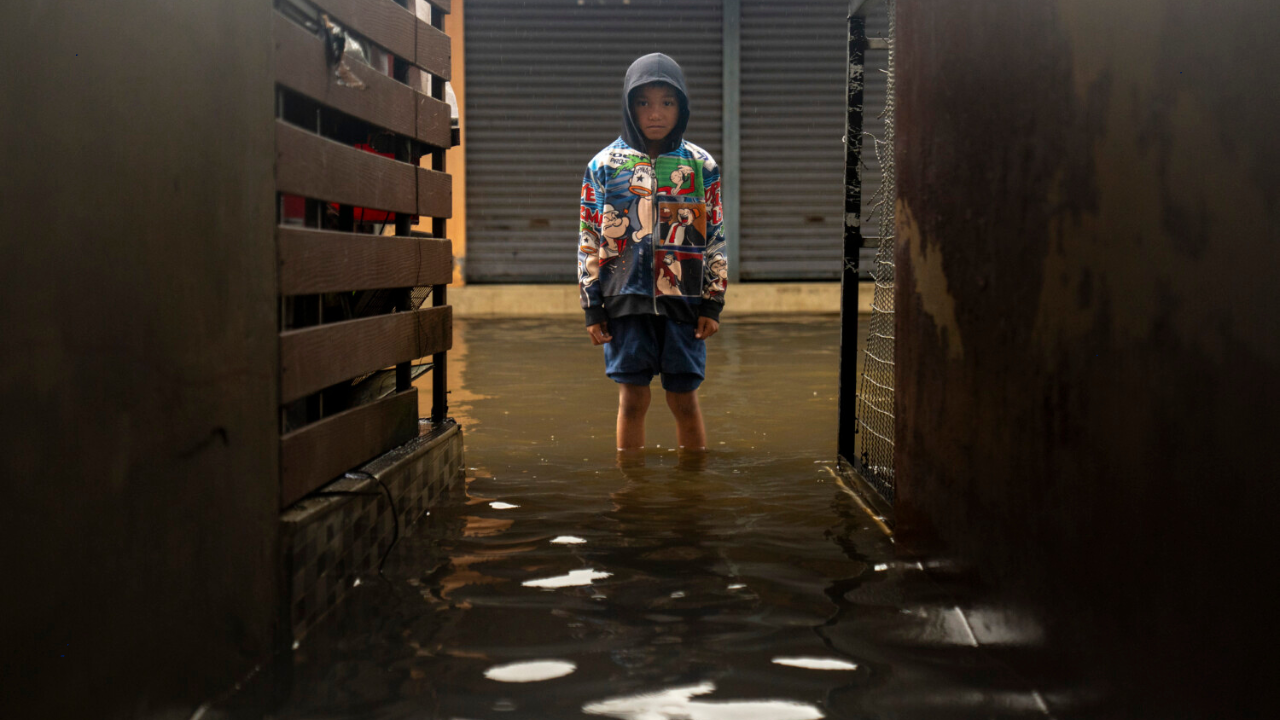
One in two children, or half of the world's children, are exposed to multiple overlapping climate hazards that threaten their health, education, and survival, according to a new report released by UNICEF today.As the climate crisis worsens, children around the globe are facing increasing threats from heatwaves, storms, floods, and droughts, with more than one billion exposed to at least three of these hazards simultaneously, stated the Children's Climate Risk Report 2026.“The lives of children continue to be upended by the impact of heatwaves, wildfires, droughts and floods,” said Catherine Russell, Executive Director of UNICEF.“Half of the world’s children are now living with at least three overlapping climate threats shaping their daily lives.”Children Facing Multiple Climate RisksAlso read: 3 Infants Hospitalized In US Botulism Outbreak Tied To Powdered FormulaThe report highlights the unprecedented scale at which children are being exposed to multiple climate hazards. These include:Floods: Nearly one in seven children—around 337 million—live in areas affected by riverine flooding, while 33 million are exposed to coastal flooding.Drought: More than three-quarters of all children globally (1.8 billion) are exposed to agricultural or meteorological droughts, threatening food security, nutrition, and livelihoods.Tropical Storms: Around 662 million children live in areas exposed to tropical storms, where intense rainfall and high winds disrupt homes, schools, and health services. Heatwaves and Extreme Heat: Nearly two in three children worldwide (1.5 billion) are exposed to heatwaves that are becoming more frequent, longer-lasting, or more severe. Additionally, 1.2 billion children are exposed to extreme heat conditions.Fires and Dust Storms: An estimated 206 million children are exposed to frequent and severe wildfires, while 123 million are exposed to sand and dust storms.Malaria: More than two in five children globally—around one billion—live in areas with exposure to malaria, a climate-sensitive disease whose transmission is influenced by temperature and rainfall patterns.Air Pollution: An estimated 2.3 billion children—almost all children worldwide—live in areas where air pollutants are detectable.“These exposures pose serious risks to children’s health, learning and well-being, particularly where access to cooling, safe water and health care is limited,” the report noted. UNICEF Calls for Urgent ActionTo protect children's rights from climate threats and help communities adapt to growing environmental challenges, UNICEF is urging governments, businesses, and other stakeholders to take immediate action.Read More: 3 Infants Hospitalized In US Botulism Outbreak Tied To Powdered FormulaThe agency called for:Reducing emissions and fulfilling existing international climate commitments based on the best available science.Protecting children through inclusive climate adaptation, disaster risk reduction, and responses to loss and damage, while ensuring child-focused services are incorporated into national adaptation and disaster preparedness plans.Empowering children and young people to participate meaningfully in climate action through investments in climate education, knowledge, and skills, while safeguarding their rights to expression and participation in decisions that affect their lives.“This analysis can help governments and decision makers plan better and invest more effectively in resilient services,” Russell said.“When we strengthen health and education systems and improve infrastructure with children in mind, we protect them from today’s climate threats and help secure their future.”