
- Health Conditions A-Z
- Health & Wellness
- Nutrition
- Fitness
- Health News
- Ayurveda
- Videos
- Medicine A-Z
- Parenting
Rabies Pre-Exposure Prophylaxis Vaccine Can Protect You Even Before A Dog Bite—Here’s How
Credits: Canva
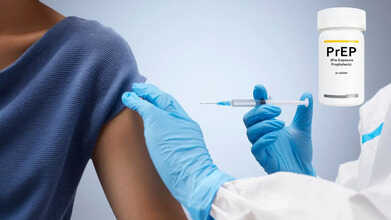
Rabies is a fatal viral disease that spreads to humans through the saliva of infected animals. It targets the central nervous system, and nearly 99 percent of human cases are linked to infected dogs. A recent *Lancet* study found that about 5,726 people still die from rabies each year, even though overall deaths have declined over time. This is why prompt medical care after a dog bite or scratch is critical. Most people believe the rabies vaccine taken after a bite is enough. What many do not realise is that a pre-exposure prophylaxis vaccine is also available and can be taken even before a bite occurs. So why does this vaccine matter, and how does it actually protect you?
What Is A Rabies Pre Exposure Prophylaxis Vaccine?
A rabies pre-exposure prophylaxis, or PrEP, vaccine involves a set of shots given before any possible contact with the rabies virus. It is mainly recommended for people at higher risk, such as veterinarians, animal handlers, laboratory workers, and travellers visiting regions where rabies is common. While PrEP does not remove the need for treatment after a bite, it makes post-exposure care simpler. People who have received PrEP need fewer follow-up injections and do not require rabies immunoglobulin, which can be hard to access in emergencies and may save crucial time.
How Can Rabies Pre Exposure Prophylaxis Vaccine Protect You?
According to Dr Deepa Aggarwal, who shared insights on her Instagram account, the rabies pre-exposure prophylaxis vaccine prepares the immune system in advance. It helps the body develop antibodies before any exposure occurs. If a vaccinated person is bitten later, they need only two booster shots and no immunoglobulin. The immune response is quicker, lowering the risk of the virus spreading to the brain. This is especially important for people at high risk or in situations where medical treatment may be delayed.
Rabies Pre Exposure Prophylaxis Vaccine: How It Works?
- Introduces Antigens: The vaccine contains an inactivated form of the rabies virus, which safely exposes the body to its antigens.
- Builds Memory: The immune system learns to recognise these antigens and creates antibodies along with memory cells.
- Rapid Response on Exposure: If exposure happens later, these memory cells act fast, producing antibodies that stop the virus before it can cause infection.
CDC Guidelines On Rabies Pre Exposure Prophylaxis Vaccine
The Advisory Committee on Immunization Practices, or ACIP, has updated its recommendations for rabies PrEP.
- A two-dose PrEP schedule has now replaced the earlier three-dose schedule and offers protection for up to three years. Options for maintaining protection beyond three years are also outlined on their website.
- The minimum antibody level used to decide whether a booster is needed has been revised and standardised.
- Many people who previously needed antibody testing every two years now require only a one-time titer check, followed by a booster if levels are low, or in some cases, just a one-time booster.
Who Should Get The Rabies Pre Exposure Prophylaxis Vaccine?
While the vaccine can benefit anyone, rabies pre-exposure prophylaxis is mainly advised for people with frequent or high risk of exposure. This includes veterinarians, animal handlers, wildlife workers, laboratory staff, and travellers to areas where rabies is widespread. The vaccine makes treatment after a bite easier by reducing the number of shots required. However, health authorities stress that while PrEP offers protection, it does not replace full post-exposure treatment after a confirmed bite, as advised by the CDC and WHO.
Norovirus 2025: How Contagious Is the Stomach Bug Spreading Across the US
Credits: Canva
Norovirus, often called the stomach bug, has returned. Between August 1 and December 11, health officials recorded 268 norovirus outbreaks, with numbers climbing steadily as winter travel increases and more people spend time indoors. The virus triggers stomach-related symptoms such as nausea, vomiting, diarrhea, and abdominal pain or cramping.
Some people also develop fever, headaches, and body aches. Although case numbers are not rising as sharply as flu, doctors remain concerned because norovirus spreads extremely easily. Making matters worse, norovirus is difficult to kill. Many of the common precautions used against flu and COVID offer little protection against this so-called winter vomiting bug.
How Contagious Is the Norovirus?
Norovirus is among the most infectious viruses doctors deal with. “It can tear through a household and then circle back, with people repeatedly passing it to each other,” says Amy Edwards, MD, associate professor of pediatrics at Case Western Reserve University School of Medicine in Cleveland, Ohio, who specializes in infectious diseases. “It also spreads very quickly in crowded, closed settings like cruise ships.”
While contaminated surfaces can transmit norovirus, doctors say person-to-person spread is most common. An infected person can pass on the virus even before symptoms appear, throughout the illness, and after they start to feel better, Jennings warns.
What to Do If You Get Norovirus?
For most people, norovirus symptoms ease within a few days, according to Jennings. However, the illness can be more serious for those with weaker immune systems, including young children, older adults, and people with certain health conditions.
If you think you have norovirus, focus on staying well hydrated. Ongoing vomiting can quickly lead to fluid loss and electrolyte imbalance. To prevent nausea from getting worse, Jennings recommends taking small sips of clear fluids like water, ginger ale, or coconut water.
Most importantly, seek medical care right away if you become dehydrated or if diarrhea lasts for weeks. Fischer explains that dehydration may cause sunken eyes, less frequent urination, dry skin and mouth, and extreme tiredness.
Common Norovirus Symptoms That You Should Be Aware Of
Norovirus symptoms often come on suddenly and may include:
- Nausea
- Vomiting
- Stomach pain or cramps
- Watery or loose diarrhea
- General feeling of illness
- Mild fever
- Muscle aches
Symptoms usually begin 12 to 48 hours after exposure and last for one to three days. Even after recovery, people can continue shedding the virus in their stool for weeks. In some cases, especially among those with other medical conditions, shedding can continue for months. Some people infected with norovirus never develop symptoms at all. Even so, they can still spread the virus to others.
Norovirus Causes
Norovirus spreads very easily from one person to another. Because it is highly contagious, an infection can pass quickly through homes, schools, or other shared spaces. The virus is released through stool and vomit, and a person can spread it from the moment symptoms begin until several days after they feel better. Norovirus can also survive on surfaces and objects for days or even weeks.
You can catch norovirus by:
- Eating food that has been contaminated
- Drinking unsafe or contaminated water
- Touching your mouth after your hands have come into contact with a contaminated surface or object
- Having close contact with someone who is infected with norovirus
Norovirus is especially hard to get rid of because it can survive extreme hot and cold temperatures and is resistant to many common disinfectants.
Using Bisoprolol? NHS Advises Patients To Watch For These Side Effects

Credits: Canva
The NHS has issued fresh advice for people taking a widely prescribed medicine used to manage heart and circulation conditions. Across the UK, millions rely on beta-blockers to treat heart and blood vessel problems. Each year, more than 50 million prescriptions are written for these drugs, which help manage issues ranging from high blood pressure and abnormal heart rate to certain conditions affecting the brain and nervous system. Doctors most commonly prescribe bisoprolol, which NHS England lists as the seventh most prescribed medicine in the country.
What Is Bisoprolol Used For?
Bisoprolol, sold under brand names such as Zebeta, Bisotab, and Concor, belongs to a group of medicines called beta-blockers. It is mainly used to treat various heart-related conditions by slowing the heart rate and relaxing blood vessels. This reduces strain on the heart and helps it pump blood more efficiently, according to the CDC. The NHS also explains that bisoprolol is used to prevent chest pain caused by angina and to manage atrial fibrillation and other irregular heart rhythms. By slowing the heart, it allows the heart muscle to work more effectively.
Data from 2024–25 shows that bisoprolol was dispensed around 32 million times in England alone. The NHS notes that for people with high blood pressure, taking bisoprolol can help lower the risk of future heart disease, heart attacks, and strokes.
Bisoprolol Side Effects: Why Is NHS Warning Against Bisoprolol?
Like most medicines, bisoprolol can cause side effects, and patients are advised to stay alert to them. People starting the medication are often told to take their first dose at night, as it can make some feel dizzy. There are several common side effects that affect more than one in 100 people. According to the NHS, these are usually mild and tend to settle over time. They include:
- feeling dizzy or sick
- headaches
- cold hands or feet
- constipation
- diarrhoea
However, there are less common but more serious side effects that should not be ignored, as they may require urgent medical attention. The NHS advises contacting a doctor or calling 111 if:
- you experience shortness of breath with a cough that worsens during physical activity, swelling in the ankles or legs, or an irregular heartbeat, as these can point to heart problems
- the whites of your eyes or your skin turn yellow, which may be harder to notice on darker skin tones, as this can signal liver issues
Bisoprolol Warning: When Should You See Medical Emergency
The NHS also urges people to seek immediate help if certain symptoms appear. These include:
- chest pain, which could indicate heart trouble
- shortness of breath, wheezing, or tightness in the chest, which may suggest lung-related problems
Emergency services should be contacted straight away if there are signs of a severe allergic reaction, known as anaphylaxis. The NHS says to call 999 immediately if:
- your lips, mouth, throat, or tongue suddenly swell
- you are breathing very fast or struggling to breathe, with wheezing or a choking sensation
- your throat feels tight or you have difficulty swallowing
- your skin, lips, or tongue turn blue, grey, or pale, which may be more visible on the palms or soles in people with darker skin
- you suddenly feel very confused, extremely drowsy, or dizzy
- someone collapses and cannot be woken
- a child becomes limp, floppy, or unusually unresponsive, with difficulty holding their head up or focusing
The NHS stresses that while bisoprolol is effective and widely used, knowing when side effects are harmless and when they signal an emergency is key to staying safe.
Is Delhi's Toxic Air Making Your Period Cramps More Painful? Here's What Study Says
Credits: iStock
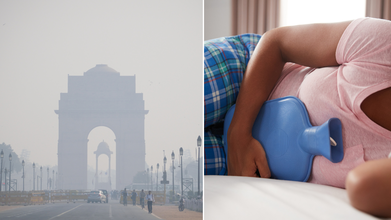
Air quality in Delhi remains toxic, despite the GRAP !V measures implemented in the national capital. Today, Delhi recorded an AQI of 358, this remains under 'very poor'. As per the Central Pollution Control Board (CPCB), the AQI was recorded at 442 in Ghazipur, 409 in ITO, and 447 in Palam, all under 'severe' category.
While we have long known that pollution impacts lung and respiratory health, but it can impact beyond that, including causing severe menstrual cramps.
What Proves That Air Pollution Impacts Menstrual Cramps?
A study published in Frontiers in Public Health, explored the data of 2,96,078 women and girls between the age of 16 to 55 years in Taiwan and correlated it with the long-term air pollution data between 2000 and 2013. None of these women had any history of dysmenorrhea before the survey had began. Dysmenorrhea is a common gynaecological condition that impacts 16 to 91% of people in their reproductive age. The signs and symptoms include painful and severe periods that are results of hormonal imbalances.
The results showed that during the 13 years, 4.2% women and girls were diagnosed with dysmenorrhea for the first time. The study concluded that risk of developing dysmenorrhea was up to 33 times higher among women and girls who lived in areas with the highest levels of air pollutants.
Professor Hsu, who conducted the study said, "Our results demonstrate the major impact of the quality of air on human health in general, here specifically on the risk of dysmenorrhea in women and girls."
The pollutants in questions are nitrogen oxide, nitric oxide, nitrogen dioxide, carbon monoxide, and particle smaller than 2.5 µm in diameter (PM2.5).
How Air Pollution Shapes Menstrual Health - Its Impact
The public health impact of air pollution is more layered and gendered than it often appears. Over the years, a growing body of research has begun to link polluted air with menstrual health problems. A 2018 study found that teenage girls exposed to higher air pollution were more likely to experience irregular periods and took longer to develop regular cycles during adolescence and early adulthood. Other studies have connected air pollution with longer menstrual cycles, increased stress, reproductive health issues, and even changes observed during lockdown periods. Conditions such as infertility, metabolic syndrome, and polycystic ovary syndrome have also been associated with prolonged exposure to polluted air.
These findings challenge the idea that menstrual health is purely biological. Instead, it is deeply influenced by social and environmental conditions, including income levels and where a person lives. In the present study, researchers observed that younger women, women from lower-income backgrounds, and those living in highly urbanised areas faced a higher risk of developing dysmenorrhea or painful periods. Among all factors studied, long-term exposure to high levels of PM2.5 emerged as the strongest contributor. PM2.5 refers to fine, inhalable particles commonly found in polluted air that can penetrate deep into the body.
The concern becomes sharper in the Indian context. In 2019, India recorded the highest PM2.5 levels globally. The study highlights clear differences in menstrual experiences between women and girls living in urban versus rural areas. Those in low-income and densely populated urban regions, where exposure to air pollution is often highest, showed a significantly greater risk of dysmenorrhea.
This health burden is further compounded by period poverty, which continues to affect large sections of rural India and many other countries. Limited access to sanitary products, lack of awareness, and social stigma mean that many girls and women already miss school and work during their periods. Increased menstrual pain linked to environmental factors like air pollution only deepens these challenges.
A 2017 study underlined the importance of identifying environmental influences on the menstrual cycle from a public health perspective, noting potential long-term consequences such as infertility, reproductive cancers, osteoporosis, and metabolic disorders.
- Follow Us :


© 2024 Bennett, Coleman & Company Limited