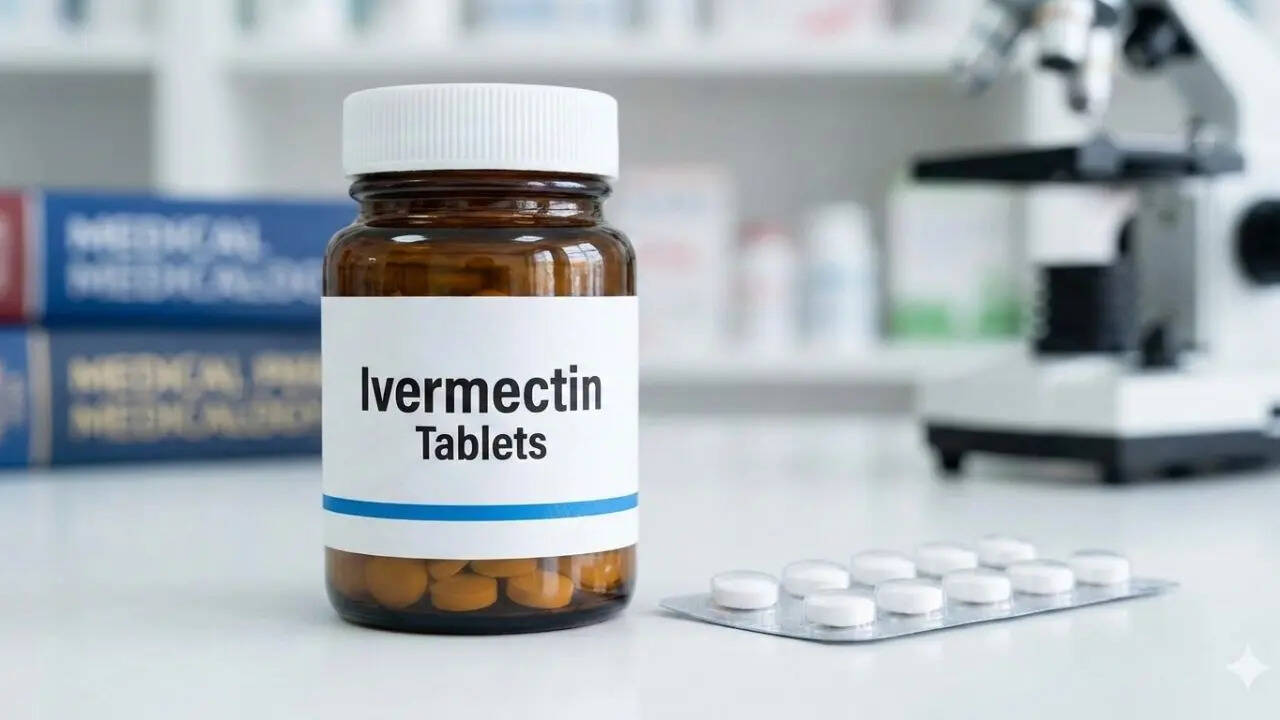
Cases of scabies, a highly contagious skin condition caused by microscopic mites, continue to remain higher than normal across England this winter, according to the latest surveillance data. Recent findings from the Royal College of General Practitioners’ Research and Surveillance Centre indicate that scabies has been spreading more widely than expected over the past few months, with infections steadily increasing through autumn and winter. Overall, reported cases have stayed above the usual five-year average, with the sharpest rise recorded during the final four months of last year, particularly across northern regions of the country. With scabies infections continuing to climb, concerns are growing around which treatments are safe to use, especially when it comes to children.What Is Scabies?Scabies is caused by a microscopic parasite known as Sarcoptes scabiei. This mite burrows into the top layer of the skin to lay its eggs, triggering severe itching and a red, spotty rash that often becomes more intense at night. Although the mites are too small to be seen easily, measuring less than half a millimetre, the body reacts to their saliva, eggs, and waste, leading to an allergic response. Scabies spreads through prolonged skin-to-skin contact and can affect people of all ages. According to the NHS, it is most commonly transmitted through close household contact, including between partners, family members, people living together, and during sexual activity.How Is Scabies Spreading In The UK?UK Health Security Agency surveillance data shows that scabies cases reported through sexual health services remained relatively stable before the COVID-19 pandemic, but numbers began rising sharply from 2022 onwards. Diagnoses increased from 3,393 cases in 2023 to 4,872 cases in 2024, marking a 44 per cent rise.London accounted for roughly one-third of all cases recorded in 2024.The steepest percentage increase was seen in the North East, where reported cases nearly doubled.Young adults aged 20 to 24 made up 41 per cent of diagnoses, while those aged 25 to 34 accounted for 31 per cent.Scabies UK: What's Behind The Surge In Cases?Both the UKHSA and the British Association for Sexual Health and HIV (BASHH) suggest several reasons could be driving the surge:Increased social interaction and physical contact following the pandemic, after years of reduced mixing.Greater awareness of scabies and more testing taking place at sexual health clinics.Overcrowded housing and the ongoing cost of living crisis, which may delay access to prompt treatment.Experts also caution that the actual number of cases is likely much higher, as the available data only reflects diagnoses made in sexual health settings.Scabies UK: Can Ivermectin Treat Scabies In Children Safely?Ivermectin is an oral antiparasitic medicine used to treat scabies by paralysing the mites. It offers a systemic alternative to topical creams and is often considered in cases that are widespread, severe, or involve institutional outbreaks. Because the drug does not kill scabies eggs, a second dose is usually required after seven to fourteen days to target newly hatched mites. According to the Centres for Disease Control and Prevention, ivermectin is generally well tolerated, improves treatment compliance compared to creams, and has been widely used in mass drug administration programmes, though repeat dosing is important due to its limited effect on mite eggs.Despite its broad use in programmes targeting conditions such as river blindness, intestinal worms, and scabies, ivermectin has traditionally not been recommended for children weighing under 15 kilograms, largely due to limited safety data. However, researchers revisited this concern following a systematic review and meta-analysis that suggested the drug could be safe even in children weighing as little as 11 pounds.In a double-blind clinical trial, researchers assessed the safety, effectiveness, and pharmacokinetics of ivermectin in young children with scabies. A total of 240 children weighing between 11 pounds and under 33 pounds in The Gambia, Kenya, and Brazil were randomly assigned to receive ivermectin at doses of 200, 400, or 800 micrograms per kilogram alongside a placebo cream, or placebo tablets alongside permethrin cream. Blood samples were collected on days 0, 3, 7, 10, and 14 to monitor biochemical markers, drug levels, and blood health.Ivermectin: Only One Serious Adverse EventThe findings showed that ivermectin was effective in treating scabies, with just one serious adverse event reported. This involved a temporary increase in liver enzymes, which returned to normal levels within 32 days. All other side effects possibly linked to the treatment were mild, resolved on their own, and were similar to those seen in children weighing more than 33 pounds.“Outcomes from the Ivermectin Safety in Small Children trial will hopefully provide greater reassurance that ivermectin can be safely used in children weighing less than 15 kilograms,” said lead study author Kevin Kobylinski, PhD, an honorary visiting research fellow at the University of Oxford with the Mahidol Oxford Tropical Medicine Research Unit in Bangkok, in an ASTMH press release.