
- Health Conditions A-Z
- Health & Wellness
- Nutrition
- Fitness
- Health News
- Ayurveda
- Videos
- Medicine A-Z
- Parenting
Simple Blood Test Can Predict Dementia Risk in Women 25 Years Before Symptoms

Credit: Canva
A simple biomarker blood test can now detect dementia in women 25 years before symptoms appear, a JAMA study suggests.
Researchers from the University of California San Diego have found a protein in the blood called plasma phosphorylated tau 217 (p-tau217), a protein linked to the brain changes seen in Alzheimer’s disease.
The researchers found a strong association between higher levels of p-tau217 in the blood and a higher chance of developing both mild cognitive impairment (MCI) and dementia, a key contributer in the developemnt of Alzheimer’s.
Neuroscientist Linda McEvoy, from the Kaiser Permanente Washington Health Research Institute: "Blood-based biomarkers like p-tau217 are especially promising because they are far less invasive and potentially more accessible than brain imaging or spinal fluid tests.
"This is important for accelerating research into the factors that affect risk of dementia and for evaluating strategies that may reduce risk."
The connection between higher p-tau217 and dementia was stronger in women over 70, the researchers also found, and in those carrying the APOE ε4 gene that has been linked to Alzheimer's disease in the past.
What Is Dementia?
Dementia is an umbrella term used to describe a significant decline in mental function that is serious enough to affect everyday life. It commonly impacts memory, thinking, and reasoning skills.
Dementia itself is not a single disease but a collection of symptoms caused by underlying conditions such as Alzheimer’s disease or vascular dementia.
Common signs include memory problems, confusion, difficulty finding words, changes in mood or behaviour and trouble completing familiar tasks.
These symptoms usually worsen over time and are not considered a normal part of ageing. Although there is no cure, treatment options can help manage symptoms, and early diagnosis plays an important role in care planning.
Alzheimer’s Disease: The Leading Cause of Dementia
Alzheimer's disease is one of the most common forms of dementia and mostly affects adults over the age of 65.
About 8.8 million Indians aged 60 and above are estimated to be living with Alzheimer's disease. Over seven million people in the US 65 and older live with the condition and over 100,00 die from it annually.
Alzheimer's disease is believed to be caused by the development of toxic amyloid and beta proteins in the brain, which can accumulate in the brain and damage cells responsible for memory.
Amyloid protein molecules stick together in brain cells, forming clumps called plaques. At the same time, tau proteins twist together in fiber-like strands called tangles. The plaques and tangles block the brain's neurons from sending electrical and chemical signals back and forth.
Over time, this disruption causes permanent damage in the brain that leads to Alzheimer's disease and dementia, causing patients to lose their ability to speak, care for themselves or even respond to the world around them.
While there is no clear cause of Alzheimer's disease, experts believe it can develop due to genetic mutations and lifestyle choices, such as physical inactivity, unhealthy diet and social isolation.
Early symptoms of Alzheimer's disease include forgetting recent events or conversations. Over time, Alzheimer's disease leads to serious memory loss and affects a person's ability to do everyday tasks.
There is no cure for this progressive brain disorder and in advanced stages, loss of brain function can cause dehydration, poor nutrition or infection. These complications can result in death.
This Common Supplement Linked to Birth Defects In Babies, Study Shows

Credit: Canva
Men planning to conceive should practise caution while consuming antioxidant supplements, as excessive intake may affect sperm and early craniofacial development in babies, a Frontiers in Cell and Developmental Biology study shows.
Antioxidants are often promoted as powerful supplements that can help protect the body from chronic conditions, including cancer, chronic obstructive pulmonary disease and dementia.
However, researchers at the Texas A&M College of Veterinary Medicine and Biomedical Sciences (VMBS) found that consuming high levels of the antioxidant compounds N-acetyl-L-cysteine (NAC) and selenium (Se) can alter skull and facial shape in female children, even though the treated fathers did not exhibit obvious health problems.
Dr Michael Golding, a professor in the VMBS’ Department of Veterinary Physiology and Pharmacology, whose research team made the discovery said: "We know alcohol causes oxidative stress and we were looking to push back on it by adding a supplement known to lower oxidative stress.
"When we realized that offspring born to males that had only been given NAC were displaying skull and facial differences, it was a surprise because this molecule is universally thought to be good.
“When we sat down to think it through, we realized that it makes sense — you take a multivitamin to ensure that you’re in balance, but if the thing that you’re taking to ensure you’re in balance is unbalanced (the dose of antioxidants is too high), then you’re not doing a good thing.
“Sperm health is another performance metric; it’s just not one that we think about in everyday life. If you’re taking a high-dose antioxidant, you could be diminishing your reproductive fitness, and part of the journey toward the bad outcome is going to be the effects on the offspring.”
What Are Antioxidants?
Antioxidants are important because they protect the fundamental structure of the human body, cells. They safeguard an individual's DNA and proteins from the damage caused by free radicals.
Research has shown that a diet high in antioxidants may help individuals prevent chronic diseases and mental health issues. But on the contrary, having too many antioxidants in your body could confuse your cells' responses, leading to more damage than intented.
How Do Antioxidants Protect Your Body?
Antioxidants basically neutralize free radicals in the body. These free radicals are extra atoms that are produced during the body's internal processes and also by some external factors.
Overproduction of these free radicals, during the process of oxidation in the human body, damages cell membranes and other structures, including cellular proteins, lipids and DNA. Oxidation can be exacerbated by stress, smoking, alcohol, sunlight and pollution.
In the long run, they can lead to diseases such as cancer and heart diseases. It is pertinent to note that the brain is prone to oxidative stress due to its high metabolic activity. Here, the role of antioxidants becomes particularly important as they fight oxidative stress which could otherwise lead to stroke, traumatic brain injury or neurodegenerative diseases like Alzheimer's.
If you take large amounts of antioxidants, then it could hamper the cell's defence mechanisms and normal signalling. Different types of antioxidants also have different properties, so they may not be interchangeable. Therefore, health experts advise people to be mindful of the amount of antioxidant-rich food they are including in your diet. Notably, studies have found that antioxidant supplements have a lower impact such as natural food items.
Here Are Top 10 Antioxidant Rich Food:
- Blueberries: Packed with anthocyanins, which help fight oxidative stress and inflammation.
- Dark Chocolate (70 percent cacao or higher): Rich in flavonoids, known for their heart health and antioxidant properties.
- Spinach: Contains vitamins C and E, flavonoids, and carotenoids, all potent antioxidants.
- Nuts (especially almonds and walnuts): High in vitamin E and other antioxidant compounds that protect cells from damage.
- Green Tea: Loaded with polyphenols, particularly catechins, which are powerful antioxidants.
- Kale: Full of vitamins A, C, and K, along with flavonoids, which support immune function.
- Tomatoes: Rich in lycopene, a carotenoid antioxidant that supports skin health and may reduce the risk of certain cancers.
- Carrots: High in beta-carotene, which is converted to vitamin A and offers strong antioxidant benefits.
- Avocados: Packed with healthy fats, vitamin E, and carotenoids, helping to reduce oxidative stress.
- Pomegranates: Contain punicalagins and anthocyanins, powerful antioxidants that may help lower inflammation and improve heart health.
Glaucoma Cases Surging Among Young Adults, Say Experts
Credit: iStock
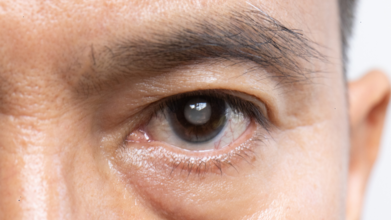
Once seen only among the elderly, glaucoma, also known as irreversible blindness, is increasing among younger adults in their 20s and 30s, said experts.
Glaucoma is a chronic disease that affects an estimated 80 million individuals globally, according to the World Glaucoma Association.
Beyond the role of genetics, unhealthy lifestyles with increased screen time and stress are the major reasons for the rise in glaucoma cases in young adults.
"We have seen an increasing incidence of glaucoma among younger adults in their 20s and 30s because of lifestyle habits such as increased screen time and lack of sleep, an increase in diabetes and high blood pressure, and a genetic predisposition," Dr. Mahipal Singh Sachdev, Chairman & Medical Director, Centre For Sight Group of Eye Hospitals, told HealthandMe.
Why Is Treatment Difficult
A major challenge with glaucoma is its lack of symptoms in the initial stages. As a result, the condition is often diagnosed at an advanced stage, where treatment yields the least results.
More than 75 percent of glaucoma cases globally remain undiagnosed.
Although the condition does not directly lead to mortality, glaucoma-led blindness is categorized as a severe form of disability (category VI) out of seven World Health Organization (WHO) classifications on the global burden of diseases.
"Often referred to as a silent thief of sight, glaucoma usually has no warning signs until the damage to the optic nerve has already caused permanent vision loss," Sachdev said.
"Because there are no noticeable symptoms in the early stages of glaucoma, many people have been unaware that they are developing it until it has progressed to a point where there is already significant damage and vision loss; this often translates to blindness," he added.
However, increased awareness of glaucoma and increased frequency of eye examinations have helped reduce the time between the onset of the disease and the diagnosis, the expert said.
Glaucoma: Are Children At Risk?
Although rare, children can be born with congenital or paediatric glaucoma as a result of ocular drainage abnormalities.
Dr Devindra Sood, Senior Consultant — Ophthalmology, Max Multi Speciality Centre, Panchsheel Park, told HealthandMe that glaucoma in children is uncommon.
"Its presentation for diagnosis and treatment is also different from that in adults," Sood said.
The symptoms of pediatric glaucoma include:
- enlargement of the globe,
- excessive lacrimation,
- photophobia,
- corneal cloudiness.
Sood stated that traditionally, large eyes are considered to harbor glaucoma.
These children usually do not respond to medical treatment, and surgical intervention is required.
However, early detection and treatment of congenital glaucoma are vital to reducing the risk of permanent visual impairment, Sachdeva said.
Glaucoma: A Global Health Burden
It is a progressive, degenerative disorder of the optic nerve that produces characteristic visual field damage.
The chronic disease affects an estimated 80 million individuals globally. By the year 2040, it is estimated that there will be 22 million individuals worldwide who are blind from glaucoma.
In India, around 12 million people suffer from glaucoma, and 1.5 million are blind due to it.
When to see a doctor for glaucoma:
• Vision suddenly gets blurry
• Severe eye pain
• Headache
• Nausea
• Vomiting
• Rainbow-colored rings or halos around lights.
Study shows nanoparticles may shorten kidney stone laser surgeries, reduce recurrence
Credit: iStock
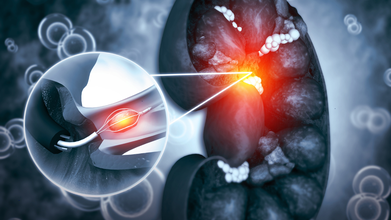
A team of researchers in the US has developed a nanoparticle-based technique that could make laser surgeries for kidney stones faster, safer, and potentially reduce the chances of recurrence.
Engineers from the University of Chicago and doctors from Duke University added dark nanoparticles to a common saline solution used in kidney stone laser surgeries. Their method also promised less recurrence of disease.
The research focused on laser lithotripsy, a widely used surgical method in which lasers are used to break kidney or urinary tract stones into tiny fragments that can then be removed by suctioning or pass naturally.
How Nanofluid Boosts Lasery Surgery
Traditionally, surgeons use a small video-guided laser to fragment the stones. However, achieving effective fragmentation often requires higher laser power, which generates additional heat and causes damage to the surrounding tissues.
Thus the new method “is a way to better utilize the laser energy that is already being employed,” said Po-Chun Hsu, assistant professor at the University of Chicago Pritzker School of Molecular Engineering (UChicago PME).
Hsu noted that their nanoparticle-based “nanofluid” also has the potential to enhance the performance of lasers without increasing power levels. This will effectively fragment the stones and remove the dust particles.
The study, published in the journal Advanced Science, describes an innovative saline solution that enhances the performance of existing laser systems without requiring modifications to the equipment.
By adding dark nanoparticles that absorb laser wavelengths, the solution ensures that more of the laser energy is directed at the kidney stone rather than being reflected or dispersed.
“This improves the amount of laser energy that is transmitted to and absorbed by the stones,” said corresponding author Pei Zhong, a professor of engineering at Duke University.
“Nanofluid introduces a new dimension that can influence this complex physical process, independent of the stone composition or the laser being used,” Zhong said.
Kidney Stone Laser Surgery In 10 Minutes
Laboratory tests using artificial kidney stones showed that the nanofluid increased stone ablation efficiency by between 38 and 727 percent in spot treatments and by 26 to 75 percent in scanning treatments.
The researchers also tested the nanoparticle solution on living cells for up to 24 hours and found it to be non-toxic and safe.
In clinical settings, however, exposure would be much shorter. Laser lithotripsy is typically an outpatient procedure lasting about 30 minutes. The researchers believe that improved laser absorption could reduce the procedure time to around 10 minutes.
“If surgeries take too long, waste heat from the laser can accumulate and cause more harm than the stone removal itself,” Hsu said.
Kidney Stones: Symptoms And Prevention
Kidney stones are hard mineral or acid salt deposits formed in the kidneys. It occurs due to concentrated urine, and causes intense, radiating back/side pain, nausea, and blood in urine.
Common causes include
- dehydration,
- diet,
- obesity,
- family history
- metabolic issues
- staying well-hydrated
- reducing sodium levels
- eating fewer oxalate-rich foods
- consuming sufficient calcium-rich foods
- increasing citrus intake.
- Follow Us :


© 2024 Bennett, Coleman & Company Limited