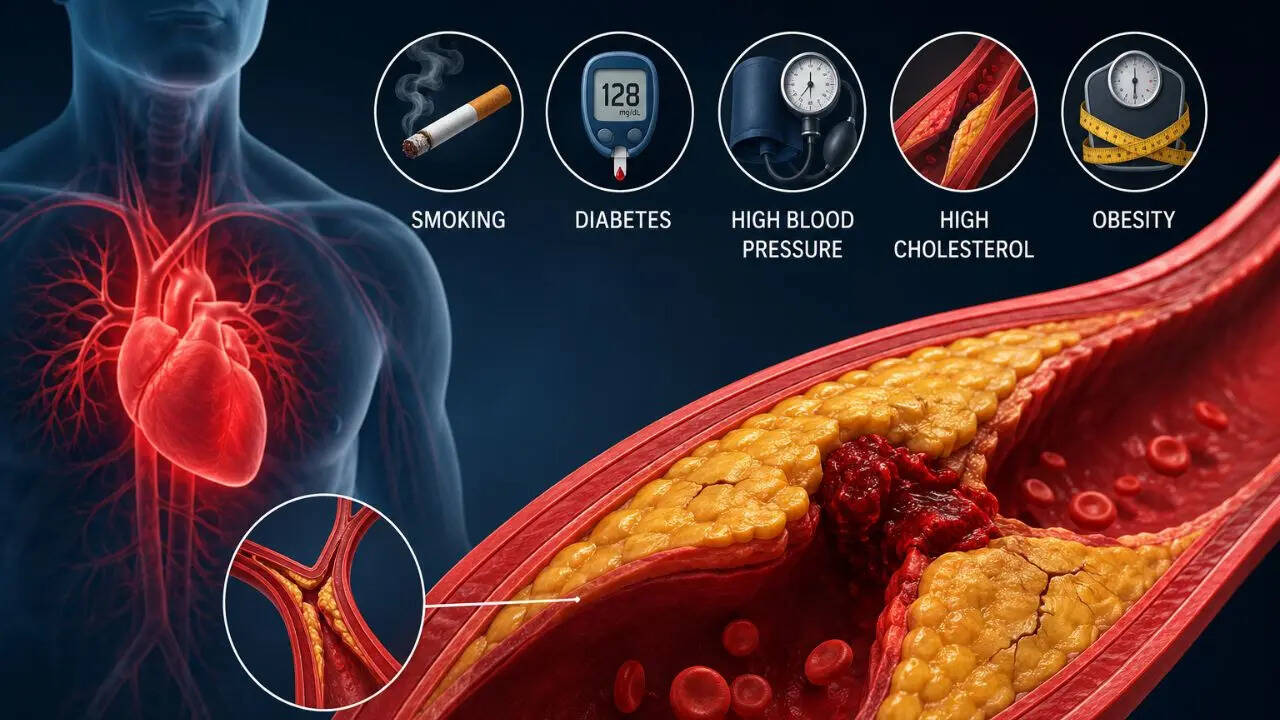
Smoking, diabetes, high blood pressure, high cholesterol, and obesity have always been recognized as major risk factors for heart disease. New research has emerged saying these preventable conditions may do more harm than simply contribute to plaque buildup in the arteries. They may also encourage the formation of the most dangerous type of plaque, the kind that is most likely to rupture and trigger a massive heart attack. The findings, presented at the European Society of Cardiology (ESC) Congress 2026, show that people with a greater number of modifiable cardiovascular risk factors were more likely to have widespread coronary plaque. They may also have unstable and vulnerable plaques that can suddenly rupture, disrupting blood flow to the heart. More Risk Factors = More Dangerous PlaquesResearchers analyzed coronary artery imaging data to understand how both modifiable and non-modifiable cardiovascular risk factors affect the characteristics of plaque.The study found that patients with a higher burden of modifiable risk factors had plaques distributed across all three major coronary arteries. More importantly, these individuals were more likely to develop lipid-rich plaques with thin fibrous caps, a trait of vulnerable plaques that are more likely to rupture. On the other hand, people whose risk profile was dominated by non-modifiable factors, such as age or genetics, tended to have more stable plaque types. "Our findings suggest that modifiable cardiovascular risk factors are associated not only with a greater amount of coronary plaque but also with more vulnerable plaque characteristics that are linked to future heart attacks," the researchers said.Also read: ICMR Study Highlights India’s Silent Cholesterol Crisis: 9 In 10 Adults Have At Least One Abnormal Blood LipidWhy Vulnerable Plaque Is Especially Dangerous?Some plaques gradually harden and remain relatively stable for years, causing slow narrowing of the arteries. Others contain large amounts of fat covered by a very thin protective layer known as a fibrous cap. These unstable plaques can rupture unexpectedly, prompting blood clots to form and suddenly block an artery, leading to a heart attack or stroke. According to the researchers, individuals with multiple preventable cardiovascular risk factors were significantly more likely to have these high-risk plaques.Also read: Risks Of Plastic Pollution: Study Finds Microplastics In Heart Arteries Can Cause Severe Heart Attacks Smoking, Diabetes And high Blood Pressure Pose High RiskSmoking chronically damages the inner lining of blood vessels, making it easier for cholesterol deposits to accumulate while also promoting inflammation and blood clot formation. High blood pressure places constant stress on artery walls, accelerating plaque development and increasing the likelihood of rupture. Diabetes contributes through persistently elevated blood sugar levels, which damage blood vessels, promote inflammation, and speed up atherosclerosis. When several of these risk factors occur together, their harmful effects can compound, increasing both the quantity of plaque and likelihood to rupture.Also read: Vapers & Smokers Have Equally Poor Physical Fitness & Blood Vessel Health, Study FindsWhat Is Atherosclerosis? Atherosclerosis is a chronic condition in which fatty deposits made up of cholesterol, inflammatory cells, calcium, and other substances accumulate inside artery walls.Over time, these deposits narrow the arteries and reduce blood flow to vital organs. The condition often develops silently over decades before causing symptoms. If a plaque ruptures, a blood clot can rapidly block blood flow, resulting in a heart attack or stroke. Smoking, diabetes, high blood pressure, obesity, and elevated LDL ("bad") cholesterol are among its leading preventable causes. The researchers said the study highlights the importance of early identification and management of modifiable cardiovascular risk factors through smoking cessation, blood pressure control, diabetes management, cholesterol-lowering treatment, regular physical activity, a healthy diet, and maintaining a healthy weight.