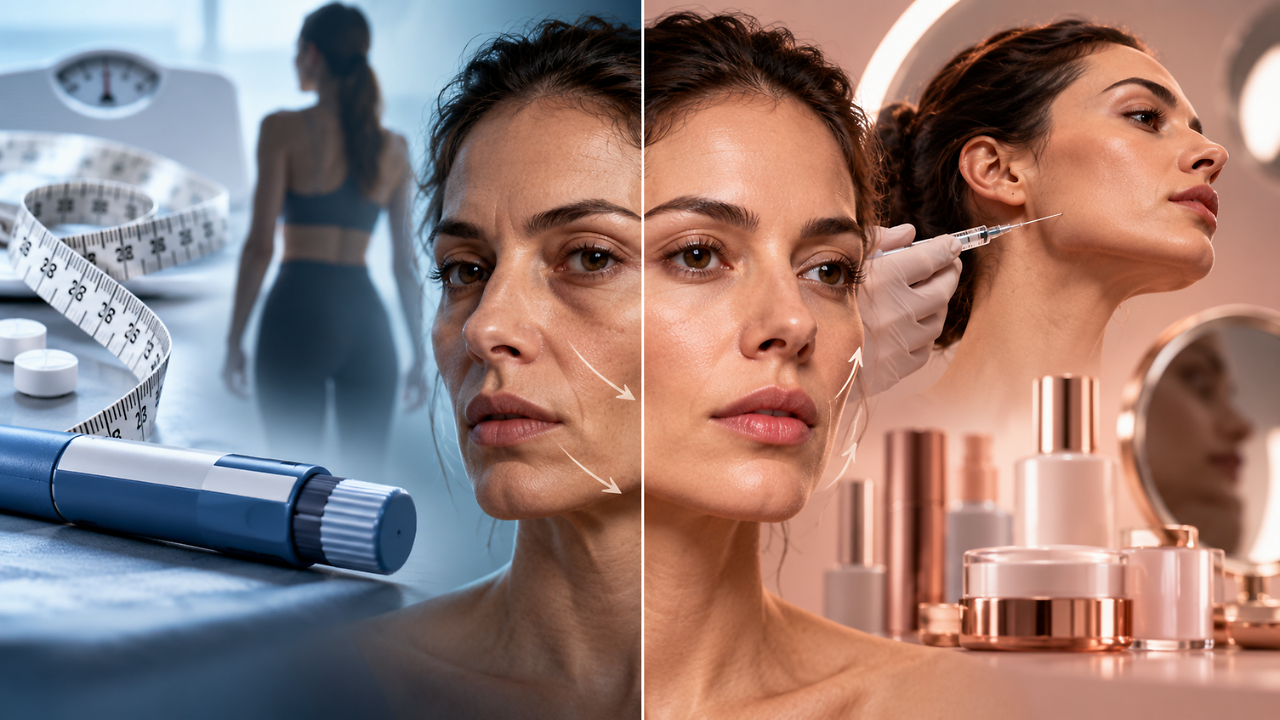
The boom in GLP-1 weight loss drugs is not only affecting the obesity market but also reshaping the beauty industry. Changes in consumer behaviour among those who use GLP-1 drugs is evident as people may see differences in their appearance after drastic weight loss. This phenomenon has prompted global beauty companies to explore products for people experiencing changes in their appearance after losing weight.French cosmetics giant L’Oréal is among the companies exploring this emerging market segment. Its CEO, Nicolas Hieronimus, said the increasing use of these medications was affecting beauty and skincare consumption, compelling the company to explore products that address concerns like sagging skin after extreme weight loss.“The rise in their (GLP-1 drugs) use was having an impact on beauty consumption and skin care consumption in particular,” Hieronimus said during an investor call on October 22, after the company's third-quarter results came out.The development mirrors an important shift in the beauty industry as weight loss medications like Ozempic, Wegovy and Zepbound become more widely used for weight management. Amid the growing market for these drugs, companies are now seeing increased demand for treatments that help changes in facial volume, skin firmness and elasticity after weight loss.However, the science behind ‘Ozempic face’ is far more complicated than the name suggests. Experts say these changes are generally associated with losing facial fat during weight loss, especially when it happens rapidly.What is ‘Ozempic Face’?‘Ozempic face’ is an informal term for facial changes that occur after rapid and substantial weight loss. It is marked by hollowing around the cheeks and temples and more noticeable wrinkles or sagging skin.GLP-1 medicines, including semaglutide and tirzepatide, act on appetite regulation, helping people feel fuller for a long time and reducing their calorie intake. As a result, some people lose a substantial amount of weight over a short period.Beauty Companies Respond to GLP-1 BoomApart from L’Oréal, Swiss skincare company Galderma and Brazilian cosmetics group Natura are also seeing similar demands from consumers experiencing changes in their facial skin after medicated weight loss.L’Oréal has said that it is testing products on people using GLP-1 medications. Its SkinCeuticals range also has products intended to address concerns such as skin sagging, according to Hieronimus.“We have products in SkinCeuticals that are made to work alongside GLP-1 drugs and address their side effects, such as skin sagging and other related issues. It is very integrated,” he said. Galderma, in which L’Oréal holds a 20% stake, has assessed some of its existing aesthetic treatments for changes due to GLP-1 use. Its portfolio includes Sculptra, an injectable that stimulates collagen, and Restylane, a range of hyaluronic acid-based dermal fillers.Anne-Cecile Chevrier, Galderma's global head of injectable aesthetics, described the concerns that experts are seeing among consumers. “Sagginess is a concern, loss of firmness is a concern, some hollowness can be of concern and dullness can be a concern,” she said.Can Skincare Products Reverse ‘Ozempic Face’?The expansion of this market does not necessarily mean that skincare products can reverse facial changes due to rapid weight loss.The skin has several layers, and topical products act on the skin's surface. Facial fat loss happens when fat accumulated beneath the skin melts off. Skincare products cannot simply replace this process.Dr Graeme Glass, a plastic and craniofacial surgeon and aesthetic director at British beauty brand LYMA, explained the limitations of topical treatments. “They can't reposition the deep fat pads of the face. There is a limit to what these things can do,” he said. Moisturisers and other products may help improve hydration, texture and the appearance of fine lines. But these benefits should not be confused with correcting sagging skin.Treatments like fillers and collagen injectables may address these concerns directly, but they involve different risks, costs and clinical considerations.Avani Sinha, MD, and FACE endocrinologist and program director of the Northwell Health Division of Endocrinology, Diabetes and Metabolism fellowship told Women's Health Magazine that it is important to take care of nutrition and muscle-building to "fill up spaces where you are losing that skin laxity". “We are what we eat, we are what we do,” she said, stating that protein intake is especially important on a GLP-1. She suggested aiming 0.8 to 1.8 grams per kilogram of body weight.Sinha also recommended staying hydrated along with strength training to build muscle. “You build up that muscle, you're going to fill up those spaces where you're losing that skin laxity,” she said.