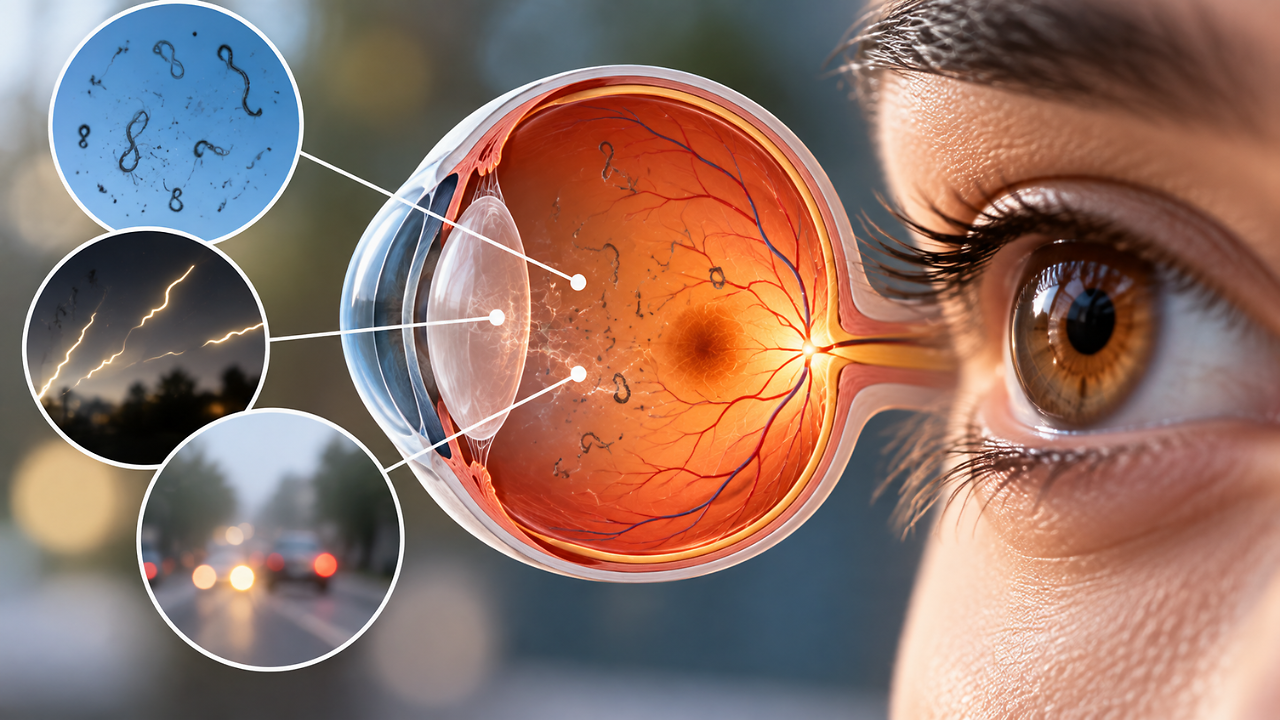
A few floaters, a brief flash of light or mild blurring across your vision may seem harmless at first. But when these changes appear suddenly without any probable cause, they may signal a bigger problem. On World Retina Day, experts explain when your retina needs urgent medical attention. The retina is the light-sensitive layer at the back of the eye, which plays a crucial role in maintaining healthy eyesight. Some retinal conditions may develop without obvious symptoms in early stages, while others can present suddenly and threaten your eyesight if treatment is delayed. “Retinal health is fundamental to maintaining clear vision and preserving quality of life, yet many retinal conditions can develop silently, without obvious warning signs in their early stages,” Dr Rajesh Kapoor, Medical Director, Suruchi Eye Hospital, Navi Mumbai told HealthandMe. “By the time a person begins to notice blurred or distorted vision, dark spots, flashes, floaters, or other visual changes, the condition may already require urgent medical attention. This is why we need to shift our approach from waiting for symptoms to prioritizing awareness, regular comprehensive eye examinations and timely consultation with an ophthalmologist.” What Are Floaters And Flashes? Floaters can look like tiny dots, lines, specks or cobweb-like shapes moving across your field of vision. They are easier to notice when looking at a bright background. Flashes, on the other hand, can look like brief streaks or bursts of light. They may occur even when there is no actual source of light around you. Occasional floaters can occur for reasons that are not always serious. However, a sudden increase in floaters or the sudden appearance of flashes should not be dismissed, especially if there are other changes in vision. One of the conditions doctors want to rule out in such situations is retinal detachment.Also read: Ferritin Face: Can Pale Skin Signal Iron Deficiency?What Is Retinal Detachment? “Retinal detachment is a serious condition which requires urgent medical attention and occurs when the retina, the light sensitive layer at the back of the eye pulls away from its normal position,” Dr Mudit Tyagi, Scientific Chair, VRSI and Head, Smt Kanuri Santhamma Center for VitreoRetinal Diseases, L V Prasad Eye Institute, Hyderabad told HealthandMe. There are several possible causes of retinal detachment. According to Dr. Tyagi, they include injury to the eye, high myopia and certain eye diseases. When the retina separates from its normal position, its ability to function properly can be affected. The longer the condition remains untreated, the greater the concern about permanent vision loss. Sudden Flashes And A Curtain Or Shadow Over Your VisionThe symptoms of retinal detachment can vary, but certain changes should warrant immediate medical attention. A dark curtain or shadow across the field of vision is concerning because it can represent a portion of the visual field being lost. Dr. Tyagi said, “The urgency of recognising retinal detachment can’t be overstated. If you have sudden flashes of light, a dramatic increase in floaters, or a dark shadow or curtain across your field of vision, don’t ignore it, even if there is no pain.” The absence of pain should not be misconstrued as a non-emergency. A retinal problem can occur without the kind of discomfort people usually associate with an eye emergency.Also read: The 5 Climate-Related Eye Risks Every Indian Should KnowTiming Is Key Retinal detachment is not a condition where it is advisable to wait and see whether symptoms settle on their own. “Retinal detachments, if detected in time and operated early enough can result in a good recovery of vision,” Dr Tyagi said. He added, “It is important, therefore, to be vigilant and see an eye care specialist as early treatment can help avoid preventable loss of vision. So, timely recognition and diagnosis followed by right treatment can help save vision.” This is why sudden visual changes deserve attention even if they seem minor initially. Who Is At Risk? Some people may need to be particularly proactive about retinal health. Dr. Kapoor said individuals with diabetes, increasing age, a family history of retinal disease or other risk factors that may affect retinal health should be more careful and alert. Diabetes can affect the blood vessels supplying the retina and lead to diabetic retinal disease. Regular eye examinations can help identify changes before vision is significantly affected. Dr Kapoor also stressed that screening should not necessarily wait until symptoms appear. “Advances in retinal imaging, diagnostics and treatment today provide ophthalmologists with valuable opportunities to identify and manage several retinal conditions at an earlier stage. However, technology can make its greatest impact when people seek eye care at the right time.” A sudden change in vision does not automatically mean that a person has retinal detachment. But because some retinal conditions can progress rapidly, it is important to have sudden symptoms assessed rather than trying to determine their cause on your own. Dr Kapoor said: “Through greater public awareness and proactive screening, we can encourage people to take retinal health more seriously. Protecting sight begins with understanding that healthy vision should never be taken for granted—because when it comes to the retina, we should not wait for a problem to become noticeable before taking action.”