
- Health Conditions A-Z
- Health & Wellness
- Nutrition
- Fitness
- Health News
- Ayurveda
- Videos
- Medicine A-Z
- Parenting
Sudden Fractures Could Signal Potential Cancer, Experts Say

Credits: Canva
A sudden bone fracture that seems out of proportion to the injury could sometimes signal an underlying life-threatening condition. Doctors say that while most fractures are caused by accidents or age-related bone weakness, certain cancers can damage bones and make them fragile enough to break with minimal force.
While this is still relatively uncommon compared to injuries or diseases such as osteoporosis, experts stress that unusual fractures should not be ignored.
How Cancer Can Weaken Bones
Bones are living tissues that constantly rebuild and repair themselves however, some cancers can start directly in the bone which are known as primary bone cancers., such as osteosarcoma, Ewing’s sarcoma, and chondrosarcoma. These cancers damage bone structure and make it fragile.
However, more often the problem comes from cancers that begin in other organs and then spread to the bones, also known as metastasis, which means cancer cells travel from their original location to another part of the body.
According to Dr Rakesh Kr Agrawal, Senior Consultant and Head of Radiation Oncology at Andromeda Cancer Hospital in Sonipat, cancers such as breast, prostate, lung, kidney, and thyroid frequently spread to bones. The spine, pelvis, ribs, and thigh bones are particularly common sites.
When cancer spreads to these areas, it can destroy bone tissue or create weak spots, increasing the chance of fractures.
Blood Cancer And Bone Damage
Another important condition linked to fragile bones is multiple myeloma, a type of blood cancer that affects plasma cells in the bone marrow.Bone marrow is the soft tissue inside bones where blood cells are produced. In multiple myeloma, abnormal plasma cells grow uncontrollably and interfere with normal bone rebuilding.
This often leads to lytic lesions, which are small areas where bone tissue has been destroyed. These weak spots can cause bones to break easily, sometimes without any obvious injury.
Doctors estimate that up to 80 percent of people with multiple myeloma already have fractures or severe bone damage when the disease is first diagnosed.
Warning Signs To Watch For
Apart from the type of cancer, doctors also say the context of a fracture matters. A break after a serious fall is usually straightforward but certain patterns may raise concern.
One major warning sign is a fracture after minimal trauma. This means a bone breaks even though the force involved was very small, such as stepping awkwardly or lifting something light.
Persistent bone pain is another signal. Pain that lasts for weeks, becomes worse at night, or appears before a fracture occurs may suggest that the bone was already weakened.
Swelling around the bone or a lump near the fracture site should also be evaluated carefully. These signs may indicate that the bone had an abnormal growth or tumor before the damage.
Doctors also look for systemic symptoms, which are symptoms affecting the whole body rather than just one area. These may include unexplained weight loss, fatigue, anemia, frequent infections, nausea or constipation.
Why Early Investigation Matters
Experts emphasize that most fractures are still caused by common conditions like osteoporosis or accidental injuries. Cancer is a much rarer explanation.
However, when something about a fracture seems unusual, doctors may recommend additional tests. These can include imaging scans such as X-rays, CT scans, or MRI scans to examine the bone more closely. Blood tests or specialised panels may also be done to look for conditions like multiple myeloma.
Early detection is important because many cancers can be treated more effectively when diagnosed sooner. Doctors advise adults, particularly those in middle age or older, to seek medical advice if a fracture happens with very little force or is accompanied by persistent pain or swelling.
In many cases the explanation will still be something simple like bone thinning. But identifying rare causes early can make a significant difference in treatment and recovery.
As specialists point out, paying attention to unusual symptoms and seeking timely evaluation is often the first step toward protecting long-term health.
AHA Cholesterol Guidelines 2026: How Indians Can Improve Heart Health

Credit: Canva
Heart disease remains the leading cause of death in India, often affecting people nearly a decade earlier than in Western populations.
Recent cholesterol management recommendations from the American Heart Association (AHA) and related global guidelines emphasize aggressive control of LDL cholesterol — the so-called “bad cholesterol.” For Indians, these recommendations carry particular importance.
Studies consistently show that South Asians have a higher tendency for premature coronary artery disease. Even individuals who appear relatively lean may have underlying metabolic risk factors such as insulin resistance, abdominal obesity, and elevated triglycerides. Because of this inherent susceptibility, the same cholesterol levels that may appear “borderline” in Western populations can translate into a significantly higher cardiovascular risk in Indians.
What Does The New Guidelines Say
The newer guidelines shift the focus away from merely treating cholesterol numbers to assessing an individual’s overall cardiovascular risk.
Factors such as diabetes, smoking, blood pressure, family history of early heart disease, and age are considered together. If a person falls into a higher-risk category, doctors now recommend lowering LDL cholesterol more aggressively than before.
For people who already have established heart disease, the goal is particularly strict. LDL cholesterol is ideally reduced to levels below 55 mg/dL. Achieving such targets often requires not only lifestyle changes but also medications such as statins, and in some cases, newer therapies that further lower cholesterol levels.
How Indians Can Prevent Heart Disease
For Indians without diagnosed heart disease, prevention becomes the key message. Regular screening after the age of 30–35 years is increasingly advisable, especially if there is a family history of heart disease or diabetes. Diet also plays a central role: reducing trans fats, limiting refined carbohydrates, increasing fibre intake, and maintaining a healthy body weight can significantly influence cholesterol levels.
Equally important is regular physical activity. Even 30 minutes of brisk walking most days of the week can improve lipid profiles and reduce cardiovascular risk.
The key takeaway is simple: Indians develop heart disease earlier and often at lower cholesterol levels.
The newer AHA recommendations reinforce the need for earlier screening, individualized risk assessment, and more proactive cholesterol management to prevent future heart attacks.
A ‘Busy Lifestyle’ Can Cause Heart Attacks, Cardiologist Says

Credits: Canva
A daily routine of late nights, chronic stress, and quick convenience meals may quietly increase the risk of a heart attack, warns California-based cardiologist Dr Sanjay Bhojraj.
In a recent discussion on social media, Dr Bhojraj explained that the pathway to heart disease rarely begins with a single dramatic decision. Instead, it often develops through small lifestyle habits that slowly accumulate over time.
The Lifestyle Patterns That Can Ruin Your Heart
Dr Bhojraj notes that several common behaviors frequently appear in the medical history of patients who later develop serious heart problems.
One major factor is chronic stress, which refers to long-term psychological pressure that the body experiences continuously rather than temporarily. Stress activates the body’s “fight or flight” response, a biological reaction that increases heart rate and releases stress hormones such as cortisol and adrenaline.
When this response remains active for long periods, it can place strain on the cardiovascular system.
Another contributing factor is sleep deprivation, meaning consistently getting less sleep than the body needs. Adults generally require seven to nine hours of sleep each night.
Late nights, work demands and prolonged exposure to digital screens often shorten sleep cycles. Previous research has linked insufficient sleep has been linked to higher blood pressure, inflammation and metabolic disturbances.
Diet also plays an important role. Busy schedules often lead people to rely on highly processed or convenience foods, which may contain high amounts of sugar, salt and unhealthy fats. These dietary patterns can contribute to weight gain, poor cholesterol levels and metabolic imbalance.
According to Dr Bhojraj, these habits may appear harmless individually but can collectively create conditions that increase the risk of cardiovascular disease.
Why Are These Habits Dangerous For You?
One reason these lifestyle patterns are dangerous is that their effects develop slowly and may not produce obvious symptoms at first.Doctors often identify early warning signs through routine blood tests and health measurements. One common indicator is rising blood pressure. Blood pressure measures the force of blood pushing against artery walls.
When it remains elevated for long periods, a condition known as hypertension, it increases the risk of heart attacks, strokes, and kidney disease.
Another warning sign is unstable blood sugar levels. Blood sugar, also known as glucose, is the body’s primary source of energy. However, frequent spikes caused by sugary or processed foods can strain the body’s metabolic system, eventually increasing the risk of type 2 diabetes.
Doctors also monitor triglycerides, a type of fat found in the blood. High triglyceride levels often develop when the body consumes more calories than it burns, especially from refined carbohydrates and sugary foods. Elevated triglycerides are associated with an increased risk of cardiovascular disease.
Dr Bhojraj emphasises that these changes often occur gradually. Each individual measurement may seem only slightly abnormal, but together they can signal increasing strain on the heart and blood vessels.
Why Modern Lifestyles Make The Problem Worse
Many experts believe that modern work culture contributes to these patterns. Long working hours, constant digital connectivity and pressure to remain productive can reduce opportunities for rest, exercise and balanced meals.
Research from the World Health Organization and the American Heart Association has linked chronic stress and insufficient sleep to increased risks of cardiovascular disease. Over time, these factors can lead to inflammation, metabolic imbalance and damage to blood vessels.
Importantly, these habits are rarely the result of deliberate neglect. As Dr Bhojraj points out, many people simply become caught in routines shaped by demanding schedules and responsibilities.
Prevention Starts With Everyday Habits
Cardiologists emphasise that preventing heart disease often begins with small but consistent lifestyle changes rather than a single medical intervention.
Regular sleep patterns, balanced nutrition, physical activity, and stress management can significantly improve cardiovascular health. Activities such as walking, meditation, or structured exercise help reduce stress hormones and improve blood circulation.
Routine medical check-ups are also important. Monitoring blood pressure, blood sugar, cholesterol, and triglyceride levels can help detect early warning signs before serious problems develop.
According to Dr Bhojraj, prevention in cardiology is less about quick fixes and more about recognising patterns. When unhealthy habits persist for years, the body records those patterns in measurable ways. Understanding and adjusting daily routines early may therefore be one of the most effective strategies for protecting long-term heart health.
NHS Doctor Shares 5 Non-food-related Reasons That Could Spike Your Blood Sugar Levels
Credits: Canva and Instagram
Blood sugar spikes are dangerous as it could trigger inflammation, oxidative stress, and damage blood vessel linings. The most dangerous, risk of type 2 diabetes, cardiovascular diseases and cognitive decline. When people think of blood sugar spikes, they think of food, carbohydrates or sugary food items that should be avoided. However, there are other things too that are not food, but could spike your blood sugar.
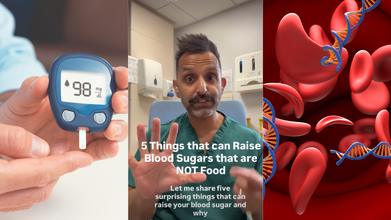
NHS doctor, Dr Amir Khan, who is a general physician with NHS England, resident doctor on ITV's Lorraine and Good Morning Britain, and host of the No Appointment Necessary podcast on his Instagram channel highlighted five non-food related reasons that could spike your blood sugar.
"Did you know your blood sugar can spike even if you haven't had a single bite to eat?" He starts his video with this disclaimer and goes on to say, "Let me share five surprising things that can raise your blood sugar and why it might not always be a bad thing."
Five Reasons Beyond Food That Could Spike Your Blood Sugar Levels
Stress
Dr Khan shares that stress triggers a rise in cortisol levels that activates the body's fight-or-flight response. This signals the liver to release stored glucose into the bloodstream to provide a quick boost of energy. This thus leads to a surge of glucose in blood and leads to the rise of blood sugar levels.
"When you're stressed, your body releases cortisol, the fight or flight hormone that tells your liver to release stored glucose to give you energy. Great if you're running from a tiger, less helpful if you're just stuck in traffic. Remember, chronic stress equals chronic glucose spikes and that is not good for long-term health,” he explains.
Poor Sleep
He also highlighted that even a single night of poor sleep could increase insulin resistance, which means glucose stays in the bloodstream for longer duration and could lead to elevated blood sugar levels. He said that chronic sleep deprivation could raise the risk of developing type 2 diabetes even in people who try to maintain otherwise a healthy diet.
"One bad night, your body becomes more insulin resistant. That means glucose hangs around in the blood for longer and over time, poor sleep can increase your risk of type 2 diabetes, even if you try your best to eat well," he says.
Exercise
To many people's shock, he says exercise could temporarily spike blood sugar. "Number three, exercise. Yes, even the good stuff. Certain types of exercises, especially intense or resistance training, can temporarily raise your blood sugars. Why? Well, again, it's your body releasing glucose for fuel, but really importantly, long-term, exercise improves insulin sensitivity, meaning lower blood sugars overall. So, this is not a bad spike,” he explains.
However, he does point out that it is not a bad thing. He notes that certain forms of physical activity, especially intense or resistance training could prompt the body to release more glucose in bloodstream to fuel the muscles. However, he also points out that regular exercise improves insulin sensitivity over time and helps the body regulate sugar more effectively.
Infections And Illnesses
“When you're fighting off a bug, your immune system has to ramp up, and that comes with a glucose surge. It's your body's way of fueling the immune response. People living with diabetes often notice higher blood sugar levels when they're unwell. That's totally normal and they may have to adjust their medication accordingly,” explains Dr Khan.
What this means is that when your body is fighting off infection, it releases more glucose in your bloodstream that works as a fuel for your immune system. This is why people with diabetes often notice higher blood sugar when they are unwell. However, he points out that this is body's normal response to combat illness.
Hormones
"Ladies, this one's for you because it's mainly around your periods or the menopause. In the second half of your menstrual cycle, that's the luteal phase, progesterone levels rise. This can make your cells more insulin resistant, meaning higher blood sugars. And of course, in perimenopause and the menopause, estrogen levels decline, and that comes with insulin sensitivity dropping. So you become more resistant to insulin, leading to more frequent spikes in blood sugar. That's why women in their 40s and 50s may notice weight gain, fatigue, or brain fog which can be linked to blood sugar shifts.”
Dr Khan notes that hormonal fluctuations during different phases of menstrual cycle could also influence blood sugar levels. Higher progesterone during luteal phase could make cells more insulin resistant. When estrogen is declining during perimenopause or menopause, it could further reduce insulin sensitivity.
Dr Khan concludes, “So remember, not all blood sugar spikes are bad. Context matters. But if you're seeing high readings and you're not sure why, it's always worth talking to your doctor and it’s not always about what you're eating.”
Note: This article is based on content available in public knowledge. Health and Me does not promote any user-generated content being as a substitute for medically verified information or prescription.
- Follow Us :


© 2024 Bennett, Coleman & Company Limited