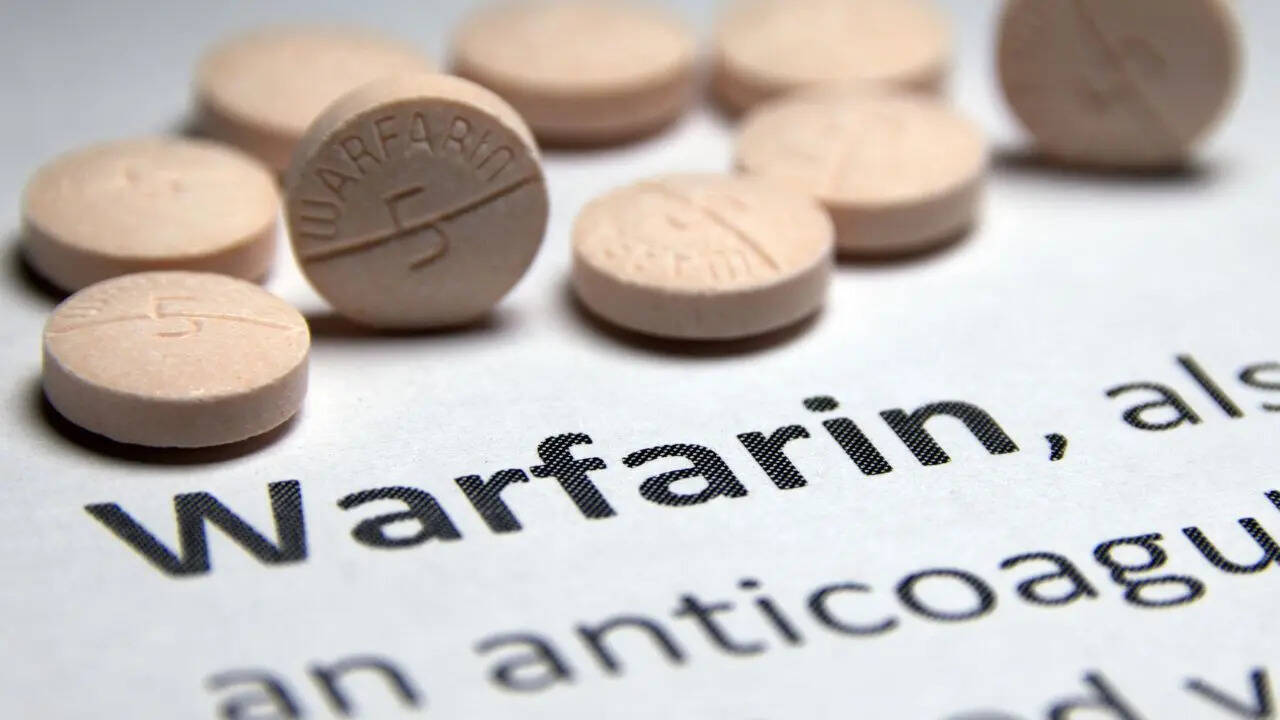
People who are prescribed blood thinners, also known as anticoagulants, could unknowingly weaken the effect of their medication by eating a widely consumed and otherwise healthy vegetable, a doctor has warned. What Are Anticoagulants?Anticoagulants are routinely given to reduce the risk of blood clots and are often prescribed to those who face a higher chance of such complications. This group also includes people at increased risk of heart attacks or strokes. These medicines, which include rivaroxaban, apixaban and warfarin, work by interrupting the clotting process and play a key role in preventing serious conditions such as strokes, heart attacks, pulmonary embolism and deep vein thrombosis.Warfarin: Why This Common Vegetable Can Be A ProblemWhile anticoagulants are effective and often lifesaving, patients are being advised that a familiar garden vegetable could interfere with how well these drugs work. The warning comes from Dr Chris Steele, who appeared on ITV’s This Morning to explain how certain foods can interact negatively with different medications.As part of his advice, he said, as per Express, “Leafy greens are high in vitamin K, which helps blood to clot. Warfarin works by blocking vitamin K production, so if you suddenly increase how many greens you eat, it can affect how the medicine works.”He added: “Other foods that contain a lot of vitamin K include green vegetables, egg yolks, chickpeas and lentils. These foods don’t need to be removed from the diet, but it is important to keep your intake steady and consistent. You should also avoid drinking large amounts of cranberry juice or using cranberry products while on anticoagulants, as they can alter the effect of warfarin. Garlic and ginger should be limited too, as they can raise the risk of bleeding.”Warfarin: Other Food And Drug Interactions To Watch ForDr Chris also highlighted that many other medicines can react in unexpected ways when taken alongside certain foods and drinks. For example, he noted that some antibiotics, including ciprofloxacin, can react poorly with milk.He explained: “Calcium can reduce how well some antibiotics work, so these medicines should not be taken at the same time as foods high in calcium, such as milk, yoghurt or cheese. Calcium supplements should also be avoided for a few hours before and after taking these antibiotics.“You should not drink milk when taking certain antibiotics, including tetracycline and ciprofloxacin, which are quinolone antibiotics, or some osteoporosis drugs like alendronate, also known as Fosamax.”He further advised avoiding the following combinations with specific medicines:Grapefruit if you are taking statins for high blood pressureBlack liquorice if you are on certain heart medicines such as digoxinBananas if you take some ACE inhibitors for high blood pressureCoffee if you use bronchodilators for asthmaSmoked salmon and salami if you are prescribed antidepressantsLimes if you are taking cough medicineDr Chris stressed: “Always speak to your doctor about any precautions you should follow when starting a new medication. You may need to avoid certain foods, make changes to your lifestyle, or take other steps to prevent unwanted side effects.”