
- Health Conditions A-Z
- Health & Wellness
- Nutrition
- Fitness
- Health News
- Ayurveda
- Videos
- Medicine A-Z
- Parenting
The Hidden Cost of Extreme Fitness On Women’s Bodies | Women's Day Special
Credits: AI generated
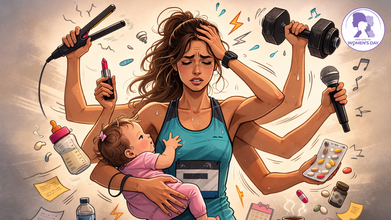
"Women are NOT little men and therefore require a different training approach and inputs as well as more nervous system regulation," says Hyrox athlete Jade Skillen who said she lost her period for the first time in 16 years of training a high-level sport. As International Women's Day approaches, her words feel less like a personal reflection, but more like a warning to the women under rigorous training and how complexities are often missed when it comes to women's health.
Hyrox is an indoor fitness race that includes 8km of running with 8 functional workout stations. However, this requires rigorous training, including diets, often deficit in calories. Behind the sculpted physique lies a pain not many women talk about. Missed periods.

This is not just true in the case of athletes, but anyone under such rigorous training and much light was brought when journalist Jeon Da-hyeon's book K-pop, Idols in Wonderland gained attention and exposed that 8 out of 10 female trainees stop menstruating, attributing it to extreme calorie restriction and punishing training schedule.
While it is told to be "normal". The truth is, it is not.
When Training Switches Off Periods
From a medical standpoint, this isn’t mysterious. It’s biological.
Dr Surabhi Siddhartha, Consultant Obstetrician & Gynecologist at Motherhood Hospital, explains that what many of these trainees experience is functional hypothalamic amenorrhea. “Menstruation is controlled by a delicate hormonal system involving the brain and ovaries,” she says. “When the body is under extreme physical stress, not getting enough calories, or facing emotional pressure, the brain senses that it is not a ‘safe’ time for reproduction.”
The hypothalamus reduces hormonal signals to the ovaries. Estrogen levels fall. Ovulation stops. Periods disappear. This is ovaries' way of survival mechanism.
“When rigorous exercise is combined with strict calorie restriction, the body enters an energy-deficient state,” Dr Siddhartha explains. “Amenorrhea is not just about missing periods. Long-term low estrogen can affect bone strength, fertility, mood and overall well-being.”
Doctor explains that this is your body's way of waving a red flag.
Elite-level training increases energy demand and severe dieting reduces energy supply. “The condition is usually reversible,” Dr Siddhartha says, “but it requires balanced nutrition, exercise moderation, stress management and medical guidance.”
The problem? In many high-performance cultures, whether K-pop or competitive sport, rest is seen as weakness. Thinness is rewarded.
Missed Periods Are "Not Normal"
For decades, missed periods in runners, gymnasts, or anyone under rigorous training were dismissed as routine.
Dr Pooja Chaudhary, Consultant in Obstetrics and Gynecology at Motherhood Hospital, is clear: “If menstruation stops for over three months or becomes irregular, especially with weight loss and fatigue, it should never be dismissed as ‘normal.’ It may signal a hormonal imbalance and needs evaluation.”
Missing three consecutive cycles is not a badge of athletic honor. It is a clinical concern. However, menstrual health continues to remains poorly integrated into training conversations.
“Menstrual health can often be neglected during training,” Dr Chaudhary notes. “Many coaches lack formal education on recognizing cycle disturbances.”
Exercise Is Helpful, But Excessive Of It Causes Disruption
How to know when to draw a line? While exercise is widely prescribed as first-line management for PCOS or polycystic ovary syndrome, cases show that training hard could worsen it. So, where do we draw the line? How do we reconcile advice that says “exercise more” with cases where rigorous training appears to disrupt hormones?

Recently, Lois Logan, daughter of broadcaster Gabby Logan was advised to avoid "extreme running" after her PCOS diagnosis. "Moderate, well-balanced exercise is beneficial for women with PCOS. But excessively high-intensity training without adequate nutrition or recovery can increase stress hormones and worsen irregular cycles," says Dr Chaudhary.
The doctor explains that while in such cases, it may feel like your body is betraying you, the issue is not exercise, but in imbalance, especially when paired with calorie restriction and insufficient recovery. PCOS thrives in hormonal chaos. Extreme endurance training can sometimes fuel that chaos instead of calming it.
This is where individualized care matters. The doctor explains that blanket advice to “exercise more” ignores the fact that intensity, fuel and rest must be calibrated carefully, especially in women whose endocrine systems are already vulnerable.
We Asked Experts Some Tough Questions
Not just the feeling of being betrayed, but also the question of why just women? Men train just as intensely, yet we rarely hear about reproductive shutdowns. To this, Dr Rashmi Niphadkar, Pune-based, Fertility Specialist at Nova IVF Fertility explains that the difference lies in biological design.
“In women, the reproductive system is sensitive to energy availability,” she says. “When the body feels under stress, it switches into survival mode and reduces signals to the ovaries.” Men, she explains, can experience drops in testosterone and sperm quality under extreme stress, but they do not have a visible monthly reproductive cycle like menstruation.
“The signs are subtler and less immediately visible compared to menstrual changes in women,” she says.
Does That Mean Women Are Biologically More Vulnerable?
Dr Sandeep Talwar, a Delhi-based Fertility Specialist from Nova IVF Fertility says, "The female reproductive system is closely linked to energy balance and overall health. When a woman experiences intense training, calorie restriction or chronic stress, the brain reduces signals to the ovaries. It is a protective response.”
However, the protective response could come at a cost when prolonged over months or years. This cost could be bone density loss, fertility challenges and emotional strain.
“Missing three consecutive cycles should never be ignored,” Dr Talwar emphasizes. “Periods are a vital health marker, not an inconvenience.”
Is There A Safe Way To Train At Elite Level?
The answer is yes, but not without awareness and with adequate personalization. “Intense athletic training is possible without sacrificing reproductive health,” Dr Talwar says. “But it requires balance, proactive medical guidance and not pushing the body beyond its biological limits.”
That means:
- Matching calorie intake to energy expenditure
- Including healthy fats and proteins to support hormone production
- Scheduling rest days deliberately
- Tracking menstrual cycles consistently
- Seeking medical advice early
It also means coaches, gynecologists, nutritionists and sports physicians working together.
Not All Vitamins Work The Same For Women: What and When To Take|Women's Day Special

Multivitamins are essentially dietary supplements containing a combination of various vitamins and minerals, often used to bridge nutritional gaps in the diet, treat deficiencies caused by poor nutrition or illness and support overall health.
Designed to provide a broad range of nutrients in one daily dose, they are available in tablets, capsules, gummies or liquids and are widely recommended to adults of all ages and genders.
But which vitamins do women need and when should you be taking them?
Dr Yashica Gudesar, Director & Unit Head of Obstetrics & Gynecology, Max Super Speciality Hospital, Dwarka exclusively tells Healthandme: "A woman’s nutritional needs change at different stages of life, from adolescence to reproductive years, pregnancy, and menopause. While food should always be the primary source of nutrients, certain vitamins may be required as women age or depending on lifestyle, diet, and health conditions."
"There’s honestly no universal vitamin checklist that works for every woman. The needs change with age, lifestyle, stress, whether one is planning a pregnancy, and of course, what the blood reports actually show," Bhakti Samant, Chief Dietician, Kokilaben Dhirubhai Ambani Hospital further told this publication.
Here are the supplements you need to stock your medicine cabinet with:
1. Vitamin D
Vitamin D is a fat-soluble nutrient essential for strong bones, immune function, and calcium absorption, often synthesized when skin is exposed to sunlight or obtained via food and supplements.
Symptoms of Vitamin D deficiency include bone pain, muscle weakness, and depression. Deficiencies are common due to low sun exposure or poor diet, leading to rickets in children and osteomalacia or osteoporosis in adults.
However, this can be avoided by consuming a combination of calcium and Vitamin D supplements. Dr Ginni Kalra, Head Dietician, Aakash Healthcare explained to Healthandme: "One of the frequently deficient nutrients in women is vitamin D. It is very important in calcium absorption, bone density, immune homeostasis and mood balance. In most adult women, the amount needed is 600-800 IU (15-20 mcg) per day although deficient women can take 1000-2000 IU per day under the supervision.
"Calcium is necessary in bone density especially in women post-menopause who experience rapid bone loss owing to the diminishing estrogen. Adult women should take 1,000 mg per day that rises to 1200 mg past 50 years. Calcium supplements are most ideal in separated doses of 500-600 mg each time and preferably following meals. When combined with vitamin D, absorption will enhance much better."
"Calcium becomes especially important after the age of 30, and even more after menopause. It can be taken after meals, often divided into two doses for better absorption," Dr Gudesar added.
Moreover, Samant advised: "Vitamin D is best taken with a meal that has some fat. Calcium (around 1000–1200 mg daily) is better split into two doses and should not be taken with iron."
2. Iron
A vital mineral, iron plays a very crucial role in human functioning by helping create hemoglobin to transport oxygen throughout the body, essential for energy and muscle function. Low iron levels can result in decreased oxygen transport and leading to symptoms like extreme fatigue, weakness, pale skin, cold hands/feet and shortness of breath.
While an iron deficiency is usually caused by poor diet, blood loss due to menstrual periods, ulcers, cancer, or regular use of pain relievers like aspirin or malabsorption issues, it can be remedied through supplements.
Dr Kalra explains: "Iron is also essential especially in menstruating women because they lose blood monthly. It may result in an iron deficiency which causes fatigue, loss of hair, brittle nails, and poor concentration. The acceptable amount of iron that is recommended to be taken by women aged 19 to 50 is approximately 18 mg, but this reduces to 8 mg after menopause.
"Iron supplements are better absorbed on an empty stomach or when taken with vitamin C and not when they are taken with calcium, tea or coffee as they have been found to interfere with absorption. The intake in the morning is usually desirable, but in case of gastrointestinal discomfort, it should be avoided."
3. Vitamin C
Vitamin C is essential for the body because it serves as a powerful antioxidant, supports the immune system, and is crucial for the synthesis of collagen, which is vital for wound healing and the maintenance of healthy skin, bones, and blood vessels.
It also enhances the absorption of iron from plant-based foods and protects cells from damage caused by free radicals, potentially reducing the risk of chronic diseases like cancer and heart conditions.
While, foods such as oranges, lemons, red and green peppers, kiwifruit, broccoli, strawberries, and Brussels sprouts can provide help maintain Vitamin C levels, supplements can help boost absorption and maximize benefits.
Dr Kalra notes: "Vitamin C helps to maintain the immunity, collagen synthesis, and iron uptake. It should be taken in 75 mg daily by adult women. It is soluble in water and can be consumed together with breakfast."
Additionally, she also recommends intaking: "Vitamin E and vitamin A also help the skin, vision, and antioxidant defense, but overconsumption is not advisable because it may be toxic."
4. Omega 3
Omega-3 fatty acids are polyunsaturated fats known for their crucial role in brain function and overall mental health. Fish oil is particularly rich in EPA and DHA, which are vital components of cell membranes and have strong anti-inflammatory effects in the body.
These omega-3s play a critical role in human development, and they are primarily found in fatty fish and fish oil. Some popular sources of Omega-3 include:
- Salmon
- Cod Liver Oil
- Algae Oil
- Oysters
- Nuts and seeds, such as flaxseeds, chia seeds, and walnuts
- Plant oils, such as flaxseed oil, soybean oil, and canola oil
- Fortified foods, such as eggs, yogurt, juices, milk, etc.
But as many people do not consume enough fish, supplementation is often recommended to ensure adequate intake of these essential fatty acids.
Dr Kalra suggests: "Though not vitamins, omega-3 fatty acids are worth mentioning because of the cardiovascular, hormonal, and anti-inflammatory effects. About 250–500 mg of combined EPA and DHA a day may be helpful and is most often administered after meals."
5. Vitamin B12
Vitamin B12 (cobalamin) is a crucial water-soluble vitamin necessary for brain health, nerve tissue, red blood cell formation, and DNA synthesis. It helps the body produce red blood cells, supports your nervous system and essential for making DNA, which is the genetic material inside all your cells.Symptoms of a Vitamin B12 deficiency often appear slowly. You may not notice them at first, or may blame them on stress, lack of sleep or a busy schedule. However, if the deficiency continues for long, it could lead to serious health problems.
Dr Gudesar recommends: "Vitamin B12 supports nerve health and energy levels. Vegetarian women are more prone to deficiency. It is typically taken in the morning."
"Vitamin B12 is needed to promote nerve well-being, red blood cell building, and energy conversion. The chances of deficiency are increased in vegetarian women because B12 is mostly found in foods of animal origin. The suggested daily dose is 2.4 mcg, but the dosage can be raised in deficiency. It is preferable in the morning as it could increase alertness," Dr Kalra explained.
However, Dr Kalra also advises: "There should be individualization of supplement timing and dosage. Decisions should be based on routine blood tests, dietary assessment, age, lifestyle, and existing medical conditions.
"Excessive supplementation is detrimental, in particular, fat-soluble vitamins. The only safe and effective approach is nutritional adequacy by means of whole foods, and supplements are the supportive therapy only in cases where deficiencies are observed."
Tiny Ears at Risk: An ENT Surgeon’s Warning on Children’s Hearing in the Digital Age

Credit: Canva
The digital revolution has transformed childhood. From online classes to gaming and entertainment, headphones and earphones have become constant companions for children. While technology has brought convenience and learning opportunities, it has also introduced a silent threat, damage to children’s hearing.
In my clinical practice as an ENT surgeon, I am witnessing an alarming increase in young patients presenting with symptoms such as ear discomfort, ringing in the ears (tinnitus), and reduced hearing ability. These issues, once uncommon in children, are now becoming increasingly frequent due to excessive and unsafe use of personal audio devices.
Understanding the Risk
The primary concern is noise-induced hearing loss, caused by prolonged exposure to loud sounds. When children use earphones at high volumes for extended periods, delicate hair cells in the inner ear get damaged. Unfortunately, this damage is permanent and cannot be reversed.What makes the situation more concerning is that children often do not recognize the early warning signs. By the time symptoms become noticeable, significant damage may have already occurred.
The 60/60 Rule: A Simple Preventive Measure
One of the most effective ways to protect hearing is by following the 60/60 rule:• Listen at no more than 60% of the maximum volume
• Limit usage to 60 minutes at a time, followed by a break
This simple guideline can significantly reduce the risk of hearing damage and should be strictly followed by children and adolescents.
Warning Signs Parents Must Watch For
Parents play a crucial role in early detection. Some common warning signs include:• Frequently increasing the volume of devices
• Complaints of ringing, buzzing, or ear pain
• Difficulty in hearing conversations
• Speaking unusually loudly
If any of these symptoms are noticed, it is important to consult an ENT specialist promptly.
Promoting Safe Listening Habits
Preventing hearing loss requires consistent effort and awareness. Here are some practical tips:1. Limit Earphone Use: Encourage children to use speakers whenever possible instead of earphones.
2. Choose Safer Devices: Over-the-ear headphones are generally safer than in-ear earbuds as they reduce direct sound impact.
3. Ensure Quiet Environments: Avoid using headphones in noisy surroundings, as children tend to increase volume to compensate.
4. Take Regular Breaks: Continuous listening should be avoided. Short breaks help the ears recover.
5. Avoid Night-time Use: Using headphones before sleep can harm both hearing and sleep quality.
A Shared Responsibility
Protecting children’s hearing is not solely the responsibility of doctors. Parents, teachers, and schools must work together to create awareness about safe listening practices. Educational institutions can include digital health education, while parents should monitor and guide their children’s device usage.Routine hearing check-ups should also be encouraged, especially for children who frequently use headphones for study or entertainment.
The digital age is here to stay, and technology will continue to play a central role in children’s lives. However, safeguarding their health must remain a priority. Hearing is a precious sense that, once lost, cannot be restored.
By adopting simple precautions, spreading awareness, and encouraging responsible use of technology, we can ensure that our children enjoy the benefits of the digital world, without compromising their hearing health.
Ozempic Can Raise Your Risk Of Osteoporosis, New Study Reveals
(Credit - Canva)
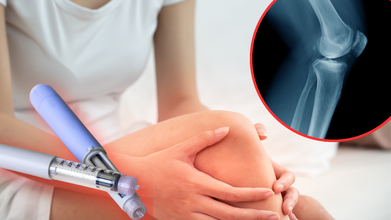
Weight loss injections like Ozempic and Wegovy have taken over the world because of the transformative effect they have on people’s weight. However, these medications also have unwanted side-effects and a new study revealed that these medications also put your bone health at risk.
Although the weight loss injections are being hailed as revolutionary for its benefits like better heart health, lower risk of type-2 diabetes and even cognitive health, there is a significant trade off. Conducted by Dr. John Horneff, an associate professor of orthopedic surgery at the University of Pennsylvania, the study revealed nearly 30 percent increase in the risk of osteoporosis.
While the medication was originally made for people with type-2 diabetes, it quickly rose to fame because of its weight loss side-effect. However, soon people started experiencing side effects like excessive lose skin, loss of fat from essential body parts like pads of feet, vulva, etc. However, studies have found long-term effects of these medications as well, things that are not so apparent.
How Does Ozempic Affect Bone Density?
The numbers show that about 4 percent of GLP-1 users developed the condition, compared to roughly 3% of those not taking the meds. While that sounds small, it represents a 30 percent increase in risk.Even more concerning was the rise in osteomalacia (a softening of the bones), which occurred twice as often in those taking the medication. Researchers are still trying to figure out exactly why this happens, but they have a few strong theories:
Nutritional Gaps
Since these drugs suppress appetite, patients often eat significantly less. If they aren't careful, they may miss out on bone-building essentials like calcium and vitamin D.
The "Astronaut" Effect
When you lose weight very quickly, your skeleton suddenly has a much lighter load to carry. Similar to how astronauts lose bone density in zero gravity because their bones aren't being "challenged," rapid weight loss may tell the body it doesn't need as much bone mass to support its new, lighter frame.Hormonal Changes
Women in perimenopause or menopause are already at risk because their estrogen levels (which protect bones) are dropping. Rapid weight loss can add fuel to that fire. The study also flagged a 12 percent increase in the risk of gout, a painful type of inflammatory arthritis. This is likely because quick weight loss can cause a temporary spike in uric acid levels, which leads to painful joint swelling.Can You Decrease Your Risk of Osteoporosis On GLP-1?
Experts explain that it is possible to lower the effects of weight loss medications on your bones. The goal of this research isn't to scare people away from these life-changing medications, but to help them use them more safely. Experts suggest focusing on a few key areas to keep your frame strong while the pounds come off:- Prioritize Nutrition: Focus on high-protein foods and ensure you’re getting enough Vitamin D and calcium.
- Start Lifting: Weight-bearing exercises and strength training are vital. Putting "good" stress on your bones signals your body to keep them dense and strong.
- Talk to Your Doctor: If you are an older adult or a woman in menopause, ask your provider about monitoring your bone density while on the medication.
- Follow Us :


© 2024 Bennett, Coleman & Company Limited