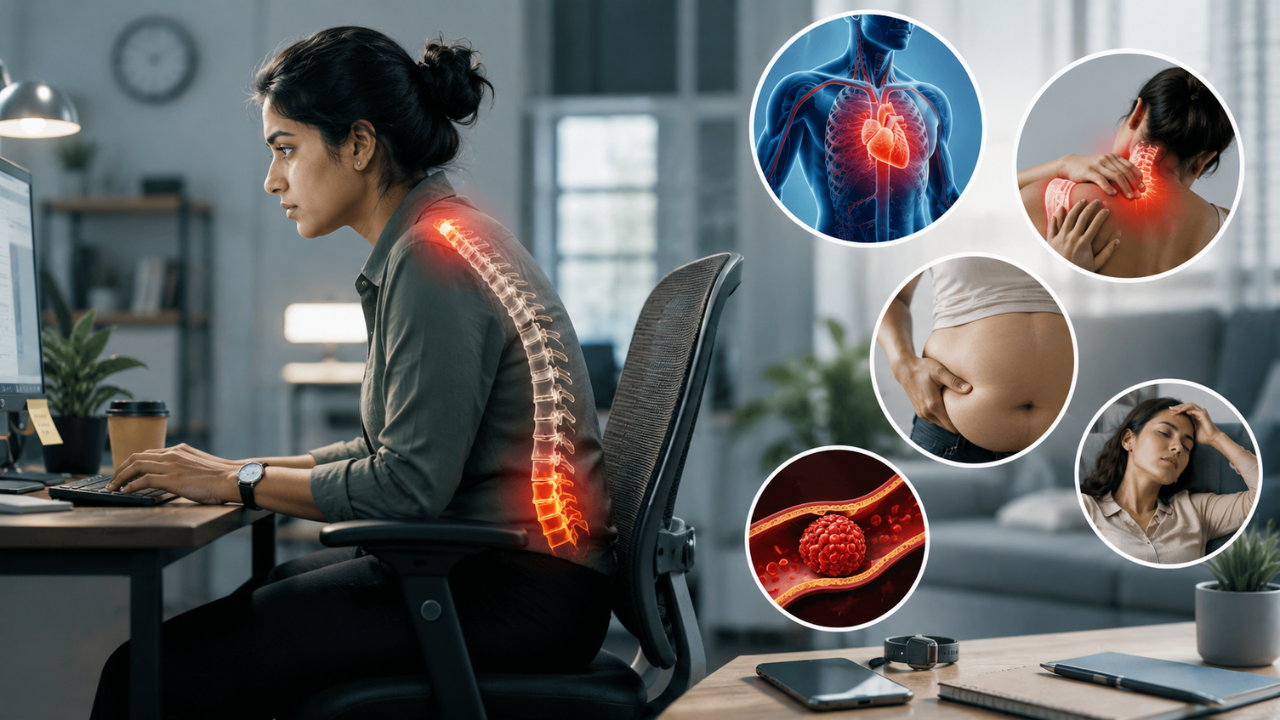
For many professionals, spending 8 to 10 hours seated at a desk has become the norm. While pain in the back and stiffness in the neck are common consequences of a sedentary lifestyle, there is another condition that is usually overlooked by people, and that is Pilonidal Sinus. Commonly affecting the area near the tailbone, this painful condition is increasingly seen in people who sit for long periods of time. Recognising the warning signs early helps prevent this infection from coming back and the need for extensive treatment. Why does Pilonidal Sinus develop? A pilonidal sinus is a small tunnel or cavity that forms beneath the skin in the natal cleft (the groove between the buttocks). It usually develops when loose hair penetrates the skin, triggering a chronicinflammatory response. Over time, the bacteria enter the tract, leading to infection and swelling. Factors like prolonged sitting, excessive body hair growth, repeated pressure over the tailbone, obesity and poor hygiene increase the likelihood of developing this condition.Also read: Why Humidity Can Worsen Sinus Symptoms Even Without An Infection? What symptoms should not be ignored? The condition often starts with mild discomfort near the tailbone, but symptoms can worsen over time. Patients may notice pain while sitting, redness, swelling, tenderness, foul-smelling discharge or a small opening in the skin that leaks pus or blood. If a swelling develops, then the area becomes suddenly more painful, warm and inflamed, and this also comes with a fever. What are the tips to reduce the risk of developing a Pilonidal Sinus? If your work requires sitting for prolonged hours, a few simple lifestyle changes can help reduce the risk of developing a pilonidal sinus: Stay Active: Avoid sitting for long periods. Stand up, stretch or walk around for 2 to 3 minutes every hour. Practice good hygiene: Keep the tailbone skin area clean and dry to minimise bacterial growth. Remove excess Hair: Regularly removing or trimming the excessive body hair around the natal cleft region prevents hair from penetrating the skin. Maintain a healthy weight: Exercise more to keep a healthy body weight as obesity increases friction, sweating and pressure over the tailbone. Choose Clothing wisely: Wear loose-fitting, breathable clothes to reduce moisture and skin irritation. Seating arrangement: Use an ergonomic chair or soft seat cushion when sitting for long hours. Also read: H1N1 Outbreak At Bengaluru School, 500+ Students Fall Sick; What Precautions Parents Must Take How is Pilonidal Sinus diagnosed and treated? Diagnosis of this condition is usually based on physical examination and medical history. In patients with recurrent or complex cases, multiple sinus openings or extensive disease, imaging tests like ultrasonography or MRI may be recommended to accurately map the sinus tract and determine the extent of infection before planning treatment. Treatment depends on the severity of the condition. Conservative Treatment: Mild infection improves with antibiotics and conservative treatment, which includes maintaining good hygiene, removing excess hair, avoiding sitting for prolonged hours and managing body weight. Incision and Drainage for an Acute Abscess: When a pilonidal sinus becomes acutely infected, it leads to the formation of a painful abscess filled with pus. In such cases, the immediate response is to relieve the pain and control the infection through a minor surgical procedure, Incision and Drainage (I&D). Flap-Based Procedures: Modern flap-based procedure is increasingly preferred for recurrent or extensive cases because they reduce recurrence rates and recover faster. The Karydakis Flap procedure is one such procedure that removes the infected tissue and reconstructs the area by shifting the healthy skin and underlying tissue to one side of the midline. Limperg Flap is another procedure where the affected tissue is excised in a diamond-shaped pattern and a nearby flap of healthy skin is rotated to cover the defect. Bariatric Surgery: In patients with severe obesity, bariatric surgery is also recommended because weight reduction decreases pressure, moisture and friction in the natal cleft, lowering the risk of repeated episodes. When sitting for long hours and you notice pain, swelling or discharge near the tailbone they dismissing it as a minor issue could later complicate the situation. Early diagnosis, timely treatment and simple preventive lifestyle changes can protect your health, improve your quality of life and ensure that your desk job does not turn into a long-term health problem. Consult a professional quickly to receive the right diagnosis and personalised treatment plan. By Dr. Kaushal Kejriwal, Consultant - Minimal Access, Bariatric, GI and Robotic Surgery, Manipal Hospital Dwarka, New Delhi