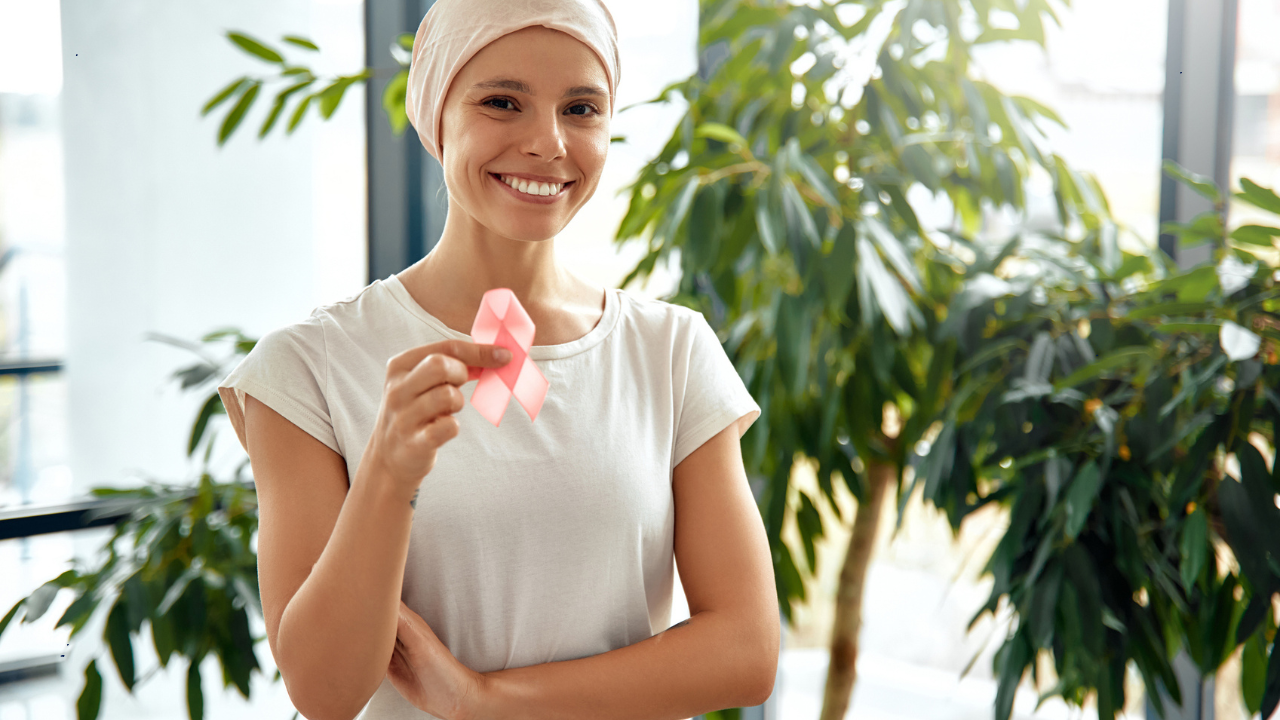
Completing cancer treatment is often imagined as the moment life returns to normal. The final chemotherapy session ends, follow-up scans show encouraging results, and the long-awaited words, “You’re in remission,” bring immense relief. Family and friends celebrate the milestone, expecting life to pick up where it left off.Yet for many survivors, the end of treatment marks the beginning of a different journey. The hospital visits may become less frequent, but new questions often take their place. Will energy levels ever return? Is it normal to still feel anxious before every check-up? How does one rebuild a life that has been profoundly changed by illness?Life After Cancer Life after cancer is not simply about surviving; it is about learning to live well again. This phase is an opportunity to focus not only on physical recovery but also on emotional healing, meaningful relationships, and rediscovering a sense of purpose. Survivorship is not defined by the absence of disease alone; it is measured by the quality of life that follows.During treatment, every decision revolves around cancer. Appointments, medications, scans, and side effects dominate daily life. Once treatment ends, the focus gradually shifts from fighting the disease to rebuilding health and well-being. This transition, often referred to as survivorship care, is about moving from crisis management to long-term wellness.The goal is no longer simply to eliminate cancer cells, but to create a life that feels fulfilling and meaningful. Survivors are encouraged to focus on three things treatment itself cannot provide: strength, joy, and a renewed sense of control.Quality of life after cancer extends far beyond follow-up scans and medical reports. It encompasses physical, emotional, social, and practical well-being. Paying attention to each of these areas can help survivors thrive rather than merely cope.Physical Recovery After Cancer TreatmentPhysically, the body often needs time to recover from the effects of chemotherapy, surgery, radiation, or hormone therapy. Fatigue, reduced stamina, neuropathy, weight changes, and muscle loss are common challenges. Regular movement plays a critical role in recovery. Experts recommend at least 150 minutes of moderate exercise each week, along with two sessions of strength training to rebuild muscle and improve energy levels. For survivors experiencing lymphedema, pelvic floor concerns, or mobility limitations, working with a physiotherapist can provide targeted support. A balanced diet rich in protein also helps restore strength and independence.Emotional Recovery Post Cancer TreatmentEmotional recovery deserves equal attention. Fear of recurrence, anxiety before follow-up scans, survivor's guilt, and grief for the life that existed before diagnosis are all common experiences.These feelings are not symptoms of weakness; they are natural responses to a life-changing event. Seeking support from a psycho-oncologist, counsellor, or support group can significantly improve emotional well-being. Even simple practices such as mindfulness, journaling, or spending a few quiet minutes each day focusing on the present moment can help reduce stress and build resilience.Cancer's Impact On Relationships And Financial Pressures Cancer can also reshape relationships. Some friendships may change, while family members and partners may continue adjusting to roles they adopted during treatment. Open conversations about needs, limitations, and expectations can help strengthen these relationships. Reconnecting with supportive people, participating in survivor communities, or mentoring newly diagnosed patients can create a sense of belonging and purpose. Healing is often easier when it happens in the company of others.Practical concerns can persist long after treatment ends. Financial pressures, career interruptions, insurance challenges, and concerns about returning to work can affect overall well-being. Seeking guidance from social workers, financial counsellors, or patient support organizations can help survivors navigate these issues. In India, government initiatives such as Ayushman Bharat, state-level healthcare schemes, and various non-governmental organizations may offer valuable assistance.Challenges Of Survivors One of the greatest challenges survivors face is the expectation of returning to the person they were before cancer. However, recovery is not about going back; it is about moving forward. A new normal often emerges, the one shaped by deeper self-awareness, healthier boundaries, and a greater appreciation for everyday moments.Many long-term survivors describe experiencing what experts call post-traumatic growth. They report stronger relationships, clearer priorities, and a renewed sense of purpose. They become more intentional about how they spend their time and energy, recognizing that health and meaningful experiences deserve as much attention as professional achievements.The first year after treatment is a time of adjustment. Establishing healthy routines, gradually resuming work and hobbies, staying consistent with follow-up appointments, and setting goals unrelated to cancer can help restore confidence. Whether it is taking a short trip, learning a new skill, planting a garden, or simply enjoying time with loved ones, these experiences remind survivors that life extends beyond medical milestones.Risk of New SymptomsAt the same time, wellness does not mean ignoring new symptoms. Persistent pain, unexplained weight loss, unusual bleeding, ongoing fatigue, or symptoms of anxiety and depression that last more than two weeks should be discussed with a healthcare provider. Survivorship care is an essential part of recovery, and seeking help when needed is a sign of self-care, not concern.Cancer may have changed the course of life, but it does not define its future. The chapter after treatment may look different from the one that came before, but it can still be rich with meaning, connection, and hope.The treatment phase was about fighting to survive. The next phase is about discovering what makes life meaningful again. It is about protecting quality of life with the same determination that carried survivors through treatment—because surviving cancer is not only about living longer, but about living well.