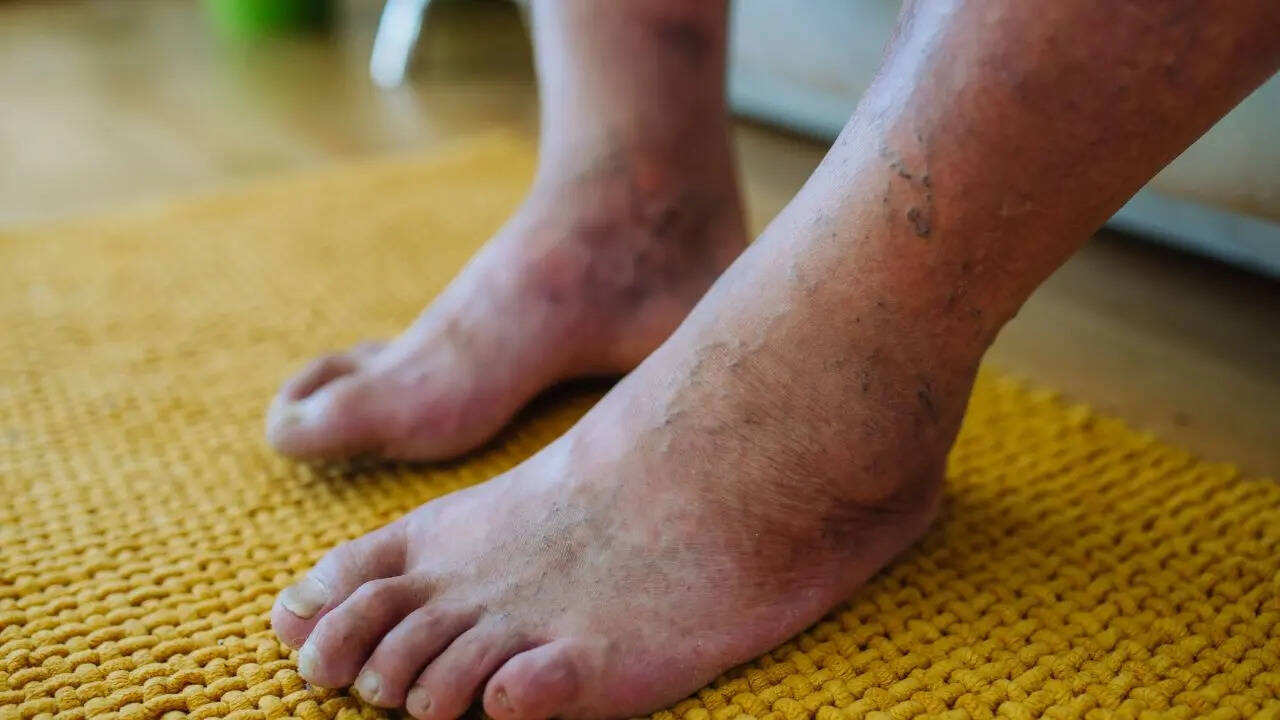
Raised cholesterol levels do more than strain the heart. They can sharply limit blood circulation to the arms and legs, increasing the risk of serious health problems. High cholesterol is already known to raise the chances of heart attacks and strokes, which makes recognising early warning signs especially important.Low-density lipoprotein, commonly known as LDL or “bad” cholesterol, builds up along artery walls. Over time, this build-up narrows the blood vessels and increases the likelihood of blockages that can lead to cardiac arrest. According to the NHS, diets high in fatty foods, frequent alcohol intake, and a lack of physical activity are among the main reasons cholesterol levels rise.Why Symptoms May Appear in the FeetAlthough cholesterol is often detected through medical tests, warning signs can sometimes surface in unexpected parts of the body, including the feet. Paying attention to these changes can help doctors identify peripheral artery disease, or PAD, which develops when fatty deposits restrict blood flow. This has been reported by Surrey Live.The British Heart Foundation explains that as circulation worsens, the body struggles to supply enough oxygen, nutrients, and blood to the skin and surrounding tissues. This problem is most noticeable in the feet, as they are the farthest point from the heart.Three Serious Foot Symptoms Linked to High CholesterolThere are three major signs of high cholesterol that may show up in the feet:PainUlcersGangreneOther PAD Symptoms to Look Out ForPeople with peripheral artery disease may also notice additional changes, such as:* Loss of hair on the legs or feet* Weakness or numbness in the legs* Toenails that grow slowly or become brittle* Open sores on the feet or legs that take a long time to heal* Changes in skin colour, including pale or bluish tones* Skin that looks shiny* Erectile dysfunction in men* Loss of muscle mass in the legsLowering cholesterol levels is essential to reduce the risk of PAD and other complications associated with high cholesterol.It is important to confirm high cholesterol with a healthcare professional, as many people experience few or no symptoms.A blood test remains the most reliable way to detect high cholesterol, which often goes unnoticed without screening.When Symptoms Become an EmergencySymptoms such as foot pain, ulcers, and gangrene may signal a severe form of PAD known as critical limb ischaemia. The British Heart Foundation warns that this condition needs urgent medical treatment to help prevent limb loss.If a doctor suspects high cholesterol, the NHS advises that a blood test will usually be recommended.How Cholesterol Is TestedThere are two main ways cholesterol levels can be checked:* A blood sample taken from the arm* A finger-prick testIf results confirm high cholesterol, a GP will talk through ways to bring levels down, which may include changes to diet or prescribed medication.Diet Changes That Can HelpAdjusting what you eat is often one of the most effective ways to reduce cholesterol, as diet is a common cause of high levels. One practical step is to cut back on saturated fats and replace them with unsaturated fats.Saturated fats are commonly found in foods such as fatty cuts of meat, butter, cheese, and lard. Unsaturated fats, on the other hand, are present in vegetables, nuts, seeds, and plant-based oils.Apart from that, increasing physical activity can also help manage cholesterol and support overall heart health.UK health guidelines recommend that adults aim for at least 150 minutes of moderate-intensity activity each week, or 75 minutes of vigorous exercise. Doing more activity, or increasing intensity, can reduce the total time needed. Moderate exercise means your heart rate rises and breathing becomes heavier, but you should still be able to talk without struggling for breath.One practical way to reach the 150-minute target is to stay active for 30 minutes a day, on at least five days each week.