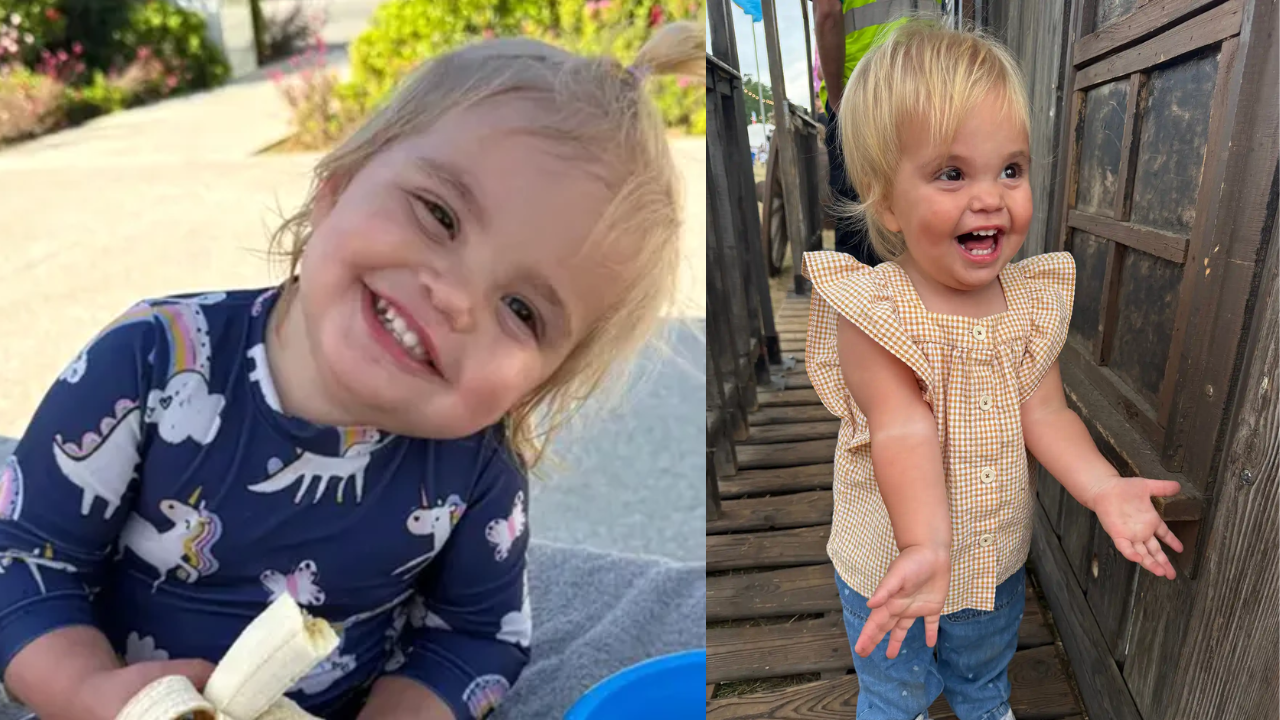
For most parents, the toddler years are filled with first words, wobbly steps and dreams of the future. For Gus and Emily Forrester, those moments are now overshadowed by a diagnosis they describe as “every parent’s worst nightmare.”Their two-year-old daughter, Leni, has been diagnosed with Sanfilippo Syndrome Type B, a rare genetic condition often referred to as childhood dementia. The disorder, formally known as Mucopolysaccharidosis type III, gradually robs children of their physical and cognitive abilities.In an interview with ITV News, Leni’s parents spoke about the devastating reality of the condition, which has no approved cure or widely available treatment.“All your dreams for your child's future are taken away,” her mother, Emily, said. “To be told that she has this condition, and there is no treatment and no cure and no support… it’s completely earth-shattering.”What Is Childhood Dementia? Sanfilippo Syndrome is a neurodegenerative disorder caused by the body’s inability to break down certain complex sugars. Over time, these substances build up in the brain, leading to progressive damage.According to Cure Sanfilippo Foundation, symptoms usually begin appearing between the ages of one and six. Children may initially show mild developmental delays, but the disease gradually worsens, affecting speech, mobility and behaviour.As the condition advances, many children lose the ability to talk, walk and recognise loved ones. Life expectancy is often limited to the early teenage years.Emily explained the process in stark terms. Without treatment, she said, Leni’s body will slowly be overwhelmed by “toxic waste,” causing irreversible damage.The Urgency of Early TreatmentFor families like the Forresters, time is not just precious, it is critical.“Early treatment is key for these children,” Emily said. “If she has to wait six months, that could mean she can no longer talk. If she waits 12 months, that could mean she loses the ability to walk.”Although experimental therapies, including gene-based approaches, are being developed, access remains a major hurdle. Some clinical trials are expected to take place in the United States later this year, but Leni is not currently eligible.Her parents are now campaigning for UK patients to be included in these trials, arguing that promising science already exists but remains out of reach for many families.A Family's Fight For HopeIn response to the diagnosis, the Forresters have launched a fundraiser to support Leni’s care and potential treatment options. They have also pledged to donate part of the funds to Great Ormond Street Hospital, where Leni is receiving care, and to the Cure Sanfilippo Foundation, which supports affected families.So far, donations have crossed $250,000, reflecting the growing awareness and concern around rare childhood conditions.Leni’s father, Gus, said the emotional toll of the diagnosis is hard to put into words. “As parents, your role is to protect your children and provide every opportunity you can. Without any treatment, her future and her reality is very, very dark.”Beyond fundraising, the couple is also raising awareness about childhood dementia and advocating for newborn screening programmes that could help detect such conditions earlier.Experts working on experimental therapies say greater government investment is urgently needed. Without it, many children may never benefit from treatments that could slow or alter the course of the disease.For now, Leni remains a cheerful two-year-old, full of life and affection. But for her parents, every passing day is a reminder of how quickly that could change, and how urgently answers are needed.