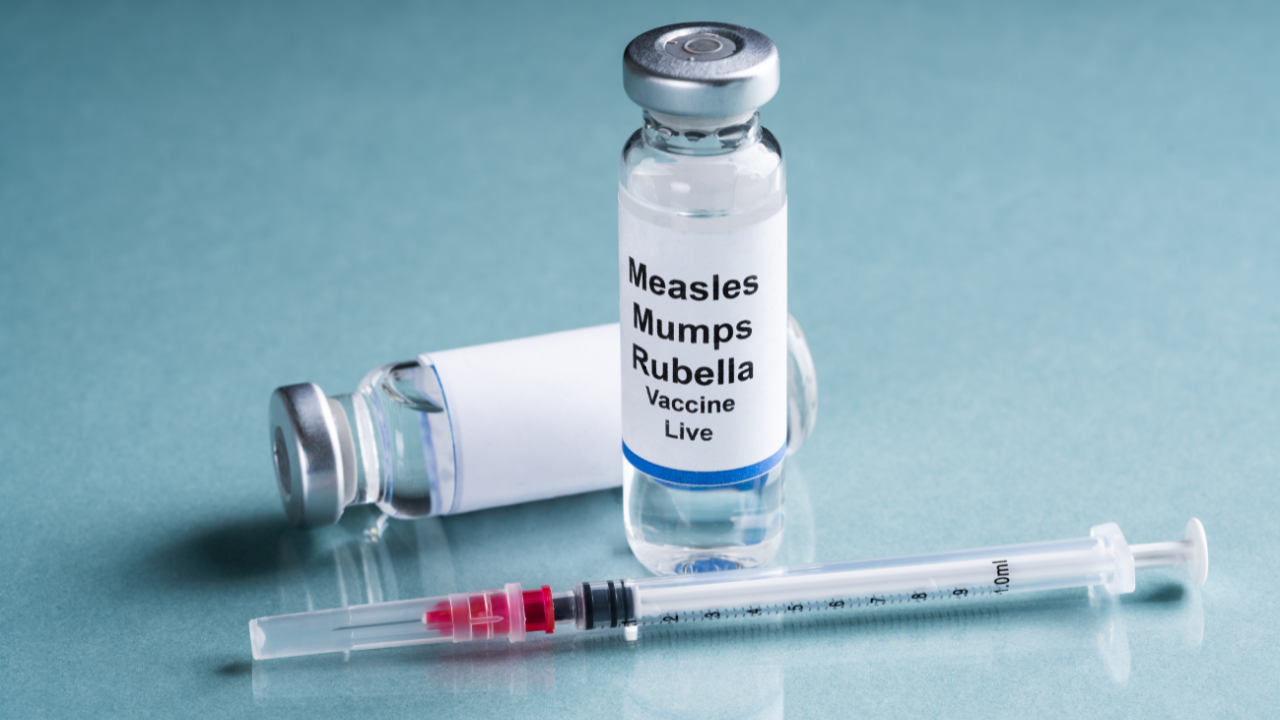
34 children have been infected in North London due to a measles outbreak. Health officials have confirmed the outbreak from Enfield in laboratory tests. Doctors too have pointed that children were not fully immunized. Measles was earlier eliminated in the UK, however, the disease is making a come back with UK losing its elimination status. The World Health Organization (WHO) also announced the elimination status of UK based on 3,600 suspected cases in 2024.Read: North London Measles Outbreak: 34 Cases Confirmed In Unvaccinated Children From Enfield Unique Symptoms Of MeaslesWith the disease now making a comeback, the worry is real. Measles has a high transmissibility, and high measles immunity levels are required to prevent sustained measles virus transmission. This is why herd immunity for measles could be easily breached.It easily spreads from one infected person to another through breathes, coughs or sneezes and could cause severe disease, complications, and even death.Symptoms include:High feverCoughRunny NoseRash all over the bodyThe most unique symptom or the early sign of measles in the Koplik spots. These are tiny white dots that look like grains of salt on red gums inside the cheeks that appear before the red rash starts to appear on a person's face and then the body.Read: Measles Outbreak In UK: NHS Is Failing To Vaccinate Children, Warn ExpertsFurthermore, the symptoms of measles are also characterized by the three Cs:CoughCoryza or runny noseConjunctivitis or red and water eyesHow Long Does The Infection Last?The progression of the symptom comes in two stages, first is the prodromal stage or Days 1 to 4, where one would notice high fever, cough, runny nose, red and watery eyes, sore throat, fatigue, and Koplik spots.The second stage is called the rash stage or the days 5 to 10 or even more where rash start to appear on the hairline, and then it runs down the body. It lasts for several days and fades in the same order.The first symptoms, notes the Centers for Disease Control and Prevention (CDC), appear 7 to 14 days after a measles infection. Often, it could also lead to ear infection, or even diarrhea. Though these complications happen in every 1 in 10 children or individual with measles.Who Is At Risk Of Measles?Children who are younger than 5 years of age: nearly 1 to 3 of every 1,000 children who become infected with measles will die from respiratory and neurologic complication, notes the CDCAdults older than 20 years of agePregnant WomenPeople with weakened immune system, such as from leukemia or HIV infectionWhy Has Measles Return To The UK?In late 2023, measles outbreaks were reported in the UK, which led to a surge in cases in 2024. Vaccination uptake at the end of 2024 was 92% for the first dose, however, for the second dose, it was below 82%.Dr Vanessa Saliba, consultant epidemiologist at UKHSA said, "Infections can return quickly when childhood vaccine uptake falls - measles elimination is only possible if all eligible children receive two MMRV doses before school. The NHS is making vaccination easier, including offering the second MMRV dose earlier at a new 18-month appointment to boost uptake and support elimination goals."Read: UK Loses Measles Elimination Status: Why Is This Disease Making A Comeback?She also noted that children and adults must get vaccinated as NHS also offers catch-up jabs.Dr Baharat Pankhania, from the University of Exeter, as reported by the BBC said, "Measles is an infection that can be prevented by vaccine - and it's extremely concerning that in the UK we now have pockets of low or no vaccine uptake. We urgently need to remedy this situation." Pankhania also noted that there is a need to make the access to GPs easier, and for an effort that could immunize babies in their homes and counter wrong information around vaccine safety.