
- Health Conditions A-Z
- Health & Wellness
- Nutrition
- Fitness
- Health News
- Ayurveda
- Videos
- Medicine A-Z
- Parenting
Using NSAIDs For Osteoarthritis? NHS Issues Warning, Doctor Suggests Safer Option
Credits: AI Generated
More than 10 million adults, young people, and children in the UK are currently living with arthritis, according to a 2025 report by Arthritis UK. The NHS states that osteoarthritis is the most common form of the condition nationwide.
As per Cleveland Clinic, osteoarthritis develops gradually as joints become stiff and painful due to wear and tear. Symptoms can vary depending on the joint affected and the extent of damage, but pain, swelling, and reduced movement are common. While medication is often prescribed to manage symptoms, the NHS cautions that some commonly used treatments can carry health risks if taken long-term or without proper guidance.
One of the most frequently used pain relief options is non-steroidal anti-inflammatory drugs, commonly known as NSAIDs.
What Are NSAIDs?
NSAIDs, or non-steroidal anti-inflammatory drugs, are commonly prescribed by GPs to help relieve pain, swelling, and inflammation. They are available in several forms, including tablets, capsules, suppositories, creams, gels, and injections. Some NSAIDs can be purchased over the counter, while stronger versions require a prescription.
These medicines are often relied upon for day-to-day pain relief by people with osteoarthritis, particularly during flare-ups.
NHS Warning: Who Should Be Cautious When Using NSAIDs?
The NHS advises that NSAIDs may not be suitable for everyone. Extra caution is recommended for people with asthma, a history of stomach ulcers, angina, or those who have previously experienced a heart attack or stroke. The NHS also advises that individuals taking low-dose aspirin should always consult their GP before using NSAIDs.
Long-term or incorrect use can increase the risk of stomach bleeding, cardiovascular problems, and kidney issues, making it important to review pain management plans regularly.
Can Natural Compounds Like GOPO Support Joint Health?
Consultant Rheumatologist Dr Rod Hughes explains that natural compounds are increasingly being explored as supportive options for joint health.
“Natural compounds derived from plants have long been used in both traditional and modern medicine to support joint health. One such compound is GOPO, which is derived from rose hips (Rosa canina). Research indicates that GOPO can help relieve joint pain due to its anti-inflammatory properties,” he says.
“Rather than simply masking symptoms, GOPO works by helping to regulate the body’s inflammatory response, which is a key driver of joint stiffness, swelling, and discomfort. It offers a promising alternative to traditional painkillers, with fewer risks of side effects, making it a more sustainable option for managing joint discomfort.”
Lifestyle Changes Proven To Ease Osteoarthritis Pain
According to Dr Hughes, lifestyle measures form the foundation of osteoarthritis management.
“Lifestyle choices play a central role in relieving osteoarthritis pain and helping people stay active,” he explains. “Research shows that regular, gentle exercise supported by physiotherapy, such as walking, swimming, and yoga, can be highly effective.”
“These activities help keep joints mobile and strengthen the muscles and ligaments that support them, which reduces stiffness and eases pressure on painful joints. It is also important to balance activity with rest to avoid flare-ups caused by overuse.”
Why Weight Management Matters For Joint Health
Weight management is another key factor in controlling osteoarthritis symptoms. “Maintaining a healthy body weight is especially important,” says Dr Hughes. “Extra weight places additional load on joints, particularly the knees and hips, which can worsen pain and accelerate joint damage. Even modest weight loss has been shown to significantly reduce pain and improve mobility.”
How Diet Influences Inflammation And Joint Pain
Interestingly, diet can also play a role in managing inflammation linked to osteoarthritis. “Eating plenty of fresh fruit and vegetables, whole grains, nuts, and seeds, along with at least two portions of oily fish each week, provides antioxidants and omega-3 fatty acids that help reduce inflammation and protect against cell damage,” Dr Hughes explains.
“In my practice, I often recommend combining these dietary changes with natural supplements such as turmeric or GOPO to provide additional support for joint health.”
Reducing Reliance On Long-Term NSAIDs Safely
For patients hoping to reduce their dependence on NSAIDs, Dr Hughes stresses the importance of medical supervision.
“Any reduction in NSAIDs should be done gradually and under the guidance of a healthcare professional. This helps ensure pain remains well controlled while avoiding sudden flare-ups or withdrawal issues,” he says.
“By combining regular movement, physiotherapy, supportive nutrition, and appropriate natural supplements, many patients can take a more balanced approach to managing chronic joint pain. Over time, these strategies may allow people to rely less on medication while maintaining a good quality of life.”
Cigarettes And The Female Body: The Hormonal Toll We Don’t Talk About

Credit: Canva/iStock
“Smoking is injurious to health.” We see this warning in theatres and on billboards, but for many, it’s become background noise. We tend to think of smoking as a “future threat”, a cough, some breathlessness, or perhaps a scary diagnosis years down the line.
But did you know that the cigarette in your hand is also quietly sabotaging something far more immediate: your hormonal health.
The Gender Gap In The Smoke
While smoking is often viewed through a male lens, the reality is shifting. In fact, approximately, women comprise about 20% of the more than 1 billion smokers globally, and the biological toll they pay is unique.
Usually the impact of smoking is focused more on the lungs and the heart. But one of the most overlooked victims of tobacco is the endocrine system, especially in women.
A Direct Hit To Your Menstrual Cycle
Cigarette smoke is a cocktail of thousands of toxic chemicals, including tar, nicotine, carbon monoxide, and poisonous metals. These don't just stay in the lungs; they hijack the hypothalamic–pituitary–ovarian (HPO) axis, which is the delicate "command center" that regulates your period.
Nicotine triggers a surge in stress hormones like cortisol and catecholamines. When these are chronically elevated, they disrupt the steady, rhythmic release of hormones that tell your body when to ovulate. The result?
- Irregular or Shorter Cycles: Your body’s natural rhythm is thrown off-beat.
- Painful Periods (Dysmenorrhea): Nicotine narrows your blood vessels (vasoconstriction), reducing blood flow to the uterus and making cramps significantly more intense.
The Effect of Smoking On Estrogen
Estrogen is the powerhouse hormone responsible for regulating the menstrual cycle, maintaining bone density, protecting heart health, and much more.
Smoking acts as an "anti-estrogen." By draining your estrogen, smoking can trigger early menopause, often by one to two years, and increase your long-term risk of osteoporosis.
For those trying to conceive, the toxins reduce your "ovarian reserve" by 20% (your egg count), making the journey to motherhood much harder.
The Road To Recovery: Recalibrating Your System
But the good news? Our bodies are remarkably resilient. Within weeks of quitting, your circulation improves, stress hormones stabilize, and your endocrine system begins to regain its equilibrium.
Many patients report more predictable cycles and less painful periods after quitting smoking.
Don't Rely On Willpower Alone
Quitting is a medical challenge, not just a test of character. If you’re overwhelmed, connect with your doctor on using the many tools available that can help you in quitting, such as:
- Nicotine Replacement Therapy (NRT): Gums, patches, and lozenges provide controlled nicotine without the toxic smoke. Unlike smoking, which delivers nicotine in rapid spikes along with thousands of harmful substances, NRT helps reduce cravings and supports quitting with far less harm.
- Prescription Support: Medications reduce the "reward" your brain gets from nicotine.
- Behavioral Support: Counselling significantly increases your chances of staying smoke-free for good.
Your hormones work tirelessly every single month to keep your body in harmony. Every cigarette disrupts that dance; every "no" helps restore it.
Your body’s natural rhythm is worth protecting. Perhaps today is the day you finally return the favor.
Dhurandhar 2 Actor Mustafa Ahmed Opens Up On Growing Up With Dyslexia

Credits: Instagram
Dhurandhar 2 actor Mustafa Ahmed, who played Rizwan in the film, opened up about growing up with dyslexia. He shared that he struggled with reading and writing, but sports and dancing came naturally to him.
"I was not a bright kid. I was dyslexic and came from an Afghan background. But I was always physical, I was good at sports, and I picked up dancing naturally. Anything that involved using my body, I was good at it,” said Mustafa, who trained has Hrithik Roshan, in the Alpha Coach podcast.
What Is Dyslexia?
Dyslexia is a learning difficulty that affects reading, writing, and spelling. However, it has nothing to do with intelligence.
Common signs of dyslexia include:
- Difficulty reading or recognizing words
- Trouble with spelling and writing
- Confusing similar-looking letters (like b/d or p/q)
- Slow reading speed and poor comprehension
- Difficulty following written instructions
This means that children with dyslexia are simply wired differently and may need to focus on other learning areas.
How Did Mustafa Overcome Dyslexia?
Mustafa did exactly that. He focused on training hard and eventually worked with big stars like Hrithik Roshan. That’s when he caught the attention of Aditya Dhar, the maker of Dhurandhar. Aditya saw potential in him and encouraged him to pursue acting, helping launch his journey in the industry.
Growing up, Mustafa, who revealed in an interview, faced challenges in school due to his learning difficulties. Tasks like reading scripts or memorizing lines may not have come easily at first. However, with determination, support, and self-belief, he was able to overcome these barriers.
However, today as a rising star, his story is a reminder that with the right support, early diagnosis, and self-belief, children with dyslexia can truly thrive.
Signs and symptoms of dyslexia
Doctors say signs of dyslexia can look different at each age. It happens because your brain grows and learns in new ways as you get older. You may notice your child has:
- Has difficulty learning or recognizing letters
- Has trouble rhyming words
- Mixes up words that sound similar
- Find it difficult to read simple words after learning letter sounds
- Have trouble remembering letters, even after lots of practice
- Avoiding tasks that have to do with reading
- Feeling sick or anxious before school or homework time
- Struggling in school
Can You Treat Dyslexia?
Doctors say even though dyslexia is a lifelong condition, it can be effectively managed with the help of interventions like:
- Phonics-based reading programs
- One-on-one tutoring
- Speech and language therapy
- Use of assistive technology like audiobooks and text-to-speech tools
With these strategies, individuals with dyslexia can improve their reading skills and excel in their chosen fields.
Mel Schilling Dies At 54, Her Colon Cancer Spread To Her Brain
Credits: Instagram
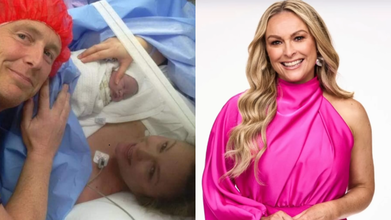
Mel Schilling, an Australian psychologist and a dating expert died at 54. Her husband Gareth Brisbane announced the death in a social media statement.
What Happened To Mel Schilling?
Schilling was diagnosed with colon cancer in December 2023. Just two weeks ago she said that the disease had spread to her brain. "I honestly don't know how long I have left," she wrote.
Read: What Is The Correct Age To Get A Colonoscopy?
According to her husband, she died "peacefully, surrounded by love". “This is a woman who, through two years of chemotherapy, when she could barely lift her head from the pillow, never complained and never stopped showing courage, grace, compassion and empathy, and never missed a day of filming,” Brisbane wrote.
She was also an expert on 'Married at First Sight Australia' for 12 years and because of her illness she stepped down as a dating expert.
How Does Cancer Spread To Other Parts Of The Body?
Schilling said that her cancer had spread to her brain. as per the Cancer Research UK, cancer cells can spread to other parts of the body through bloodstream or lymphatic system. They can then start to grow into new tumors. The National cancer Institute notes that cancer cells spread through the body in a series of steps, which include:
- growing into, or invading, nearby normal tissue
- moving through the walls of nearby lymph nodes or blood vessels
- traveling through the lymphatic system and bloodstream to other parts of the body
- stopping in small blood vessels at a distant location, invading the blood vessel walls, and moving into the surrounding tissue
- growing in this tissue until a tiny tumor forms
- causing new blood vessels to grow, which creates a blood supply that allows the metastatic tumor to continue growing
What Is Colon Cancer?
Colon (colorectal) cancer begins when small growths called polyps form on the inner lining of the colon or rectum. Over time, changes in the DNA of these cells can cause the polyps to become cancerous.
As abnormal cells multiply, they replace healthy cells and eventually form a mass known as a tumor. This process develops slowly, often taking up to ten years for a precancerous polyp to turn into cancer and begin showing symptoms.
Colon cancer poses serious health risks because cancerous cells can invade healthy tissues. Over time, they may break away and spread to other parts of the body, making detection more difficult since the symptoms can resemble other conditions.
How Can You Get Screened For Colon Cancer?
You can get examined by a colonoscopy. A colonoscopy is a 15 to 60 minute medical procedure that is used to examine the entire inner lining of the large intestine, which includes rectum and colon for abnormalities, such as polyps, inflammation, or cancer. A doctor uses a colonoscope, which is a thin, flexible tube with a camera to take images, remove polyps, or take issue samples.
Most health experts, including federal guidelines and the American Cancer Society, recommend that people at average risk for colorectal cancer start screening at age 45. This usually means getting a colonoscopy once every 10 years, or opting for stool-based tests every one to three years. These guidelines also play a role in whether insurance companies cover the tests.
- Follow Us :


© 2024 Bennett, Coleman & Company Limited