
- Health Conditions A-Z
- Health & Wellness
- Nutrition
- Fitness
- Health News
- Ayurveda
- Videos
- Medicine A-Z
- Parenting
Want To Enjoy Me-Time This Holiday Season? Here's How You Can Do It

Me Time In Chaos (Credit: Canva)
Holidays serve as a great chance to reconnect with family and friends. While it is all about Christmas trees, turkeys, cookies, and enjoying time together, it is a stress fest for many. According to a new survey conducted by Ohio State University Wexner Medical Centre, 56% of American adults say adequate alone time is a critical component of their mental health—yet nearly half (46%) don’t get it during the ongoing winter holidays. Psychologists also echo the same, asserting that carving out alone time for yourself, however fleetingly, can tremendously benefit mental and physical health.
Amidst the chaos, here are expert-approved strategies to get some good me-time:
First and foremost, you should consider leaving your phone in a separate room when you plan to have alone time. It's hard to resist the distractions that constantly demand our attention, particularly from social media. Alternatively, take a couple of minutes in your car before picking up your kids or heading inside after work to enjoy a moment of solitude.
Meanwhile, Centers for Disease Control and Prevention (CDC), has shared a few stress management tips for the holiday season:
- Take five minutes to breathe. Pause and relax—just a few moments of self-care can make a difference.
- Get moving. Take a walk, stretch, or engage in another physical activity that suits you.
- Stay connected. Reach out to friends and family for emotional support.
- Stick to a routine. Maintain a schedule that includes rest, exercise, and healthy eating.
- Seek support. Share your feelings with trusted people or organizations, such as clergy or faith communities.
- Consult a professional. Speak with a healthcare provider if you need additional help managing stress.
How To Manage Stress During Holiday Travels
Constant travel, airport queues, inconsistent diet, break from regular exercise etc. can lead to stress. However, it is not very difficult to live a life that is healthy. You can follow these steps to enjoy a stress free holiday:
- Make sure your medications are in your carry-on bag. This is a simple and easy-to-follow tip and yet many people still pack their pills in their checked bag. What happens when you luggage is lost? You'll still have all your pills with you.
- Check with the Centers for Disease Control and Prevention (CDC) travel link regarding the country you're visiting. This could save you from venturing into territories with infections or diseases.
- Get proper vaccinations. Before packing for a trip, consider checking with your primary care MD, to see if they have any cautions regarding your health while away. Your doctor can also give you shots for illnesses prevalent in specific countries (like typhoid).
- Be cautious about food and water-borne illnesses and try drinking bottled water as much as possible. Health experts also warn about eating street food. You must always also be very careful about the ice that is put in your drinks.
- Buy travel insurance to cover healthcare costs if needed. American health insurance often doesn't cover illness and doctors’ visits when abroad.
Heart Attack: How Symptoms Differ In Men And Women
Credit: American Heart Association
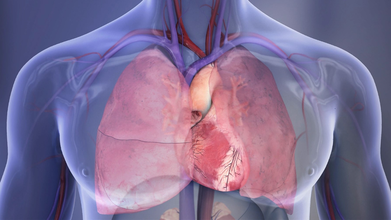
Heart attack is the world's number one killer, yet its symptoms differ for both men and women, leading to varied outcomes.
A heart attack typically occurs when cholesterol plaque builds inside the walls of arteries and causes damage to the major blood vessels.
While men typically develop plaque in the largest arteries that supply blood to the heart, in women, it accumulates in the heart’s smallest blood vessels, known as the microvasculature.
A study published today in Circulation: Cardiovascular Imaging, an American Heart Association journal, showed that women report less artery-clogging plaque. Yet, it did not protect them from heart disease compared to men.
The study showed that women faced increased heart risk at lower levels of plaque compared to men. For total plaque burden, women’s risk began to rise at 20 percent plaque burden, while men’s risk started at 28 percent.
The increasing plaque levels led to a sharper risk for women than for men.
How Heart Attack Symptoms Differ Between Men And Women
According to global studies, women are more likely than men to die from a heart attack. The major reason is the late onset of symptoms of a heart attack in women.
During a heart attack, men are likely to experience sweating, pain in the chest, arms, and legs, and shortness of breath.
While the experiences are common among women, they also tend to suffer a combination of less-recognized symptoms such as nausea, indigestion, fatigue, dizziness, and pain in the neck, jaw, throat, abdomen, or back.
The obvious chest discomfort is also sometimes absent during heart attacks in women.
Other common reasons for heart attacks in women include:
- High testosterone levels before menopause
- Hypertension during menopause
- Autoimmune diseases such as rheumatoid arthritis
- Stress and depression
Can Heart Attacks Be Prevented?
Cardiovascular diseases are mostly preventable by targeting traditional risk factors common to both women and men, which include obesity, smoking, diabetes, high blood pressure, family history and metabolic syndrome -- the co-existence of high blood pressure, obesity, and high glucose and triglyceride levels.
The American Heart Association also advises at least 150 minutes a week of moderate-intensity aerobic activity (such as brisk walking) or 75 minutes of vigorous activity (such as jogging), or a combination of both.
Include fruits, vegetables, lean proteins, whole grains, low-fat or fat-free dairy, nuts, and seeds in your diet.
Limit processed foods, added sugars, sodium, and alcohol.
Sleep Terrors In Children: Warning Signs And What Parents Should Do
Credit: Canva
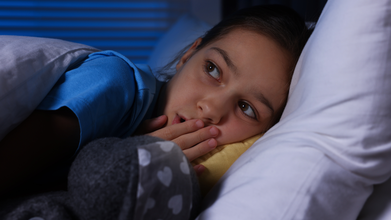
Seeing your child suddenly screaming at night, with wide eyes and thrashing limbs, can be deeply unsettling. However, remaining calm and focusing on safety is crucial for parents during the sleep terror episodes, said health experts.
Sleep terrors, also known as night terrors, are episodes of sudden fear, screaming, or intense distress that occur during sleep.
The condition is more common in children, especially between the ages of 3 and 8 years, as their sleep patterns are still maturing.
Unlike nightmares, which usually happen during dreaming (REM sleep) and are often remembered, sleep terrors occur during deep non-REM sleep.
Dr Preeti Singh, Senior Consultant, Clinical Psychology, Max Super Speciality Hospital, Dwarka told HealthandMe, that while it may be frightening to witness, especially for parents, sleep terrors themselves are usually not harmful.
Although most kids outgrow this naturally, if the episodes are violent or very frequent, consult a specialist, added Dr Sudhir Kumar, a neurologist at Apollo Hospitals, Hyderabad.
What Are Sleep Terrors
During sleep terror, the child may sit up abruptly, shout, appear frightened, sweat, breathe rapidly, and be difficult to console. In most cases, they do not recall the episode the next morning.
Sleep terrors typically occur in the first third of the night, during deep sleep (slow-wave sleep). They are considered a type of parasomnia, meaning an unusual behavior during sleep.
Dr Kumar, in a post on social media platform X, explained that unlike a bad dream, a sleep terror happens in deep sleep (Stage N3).
It is characterized by abrupt sitting up/screaming, with physical signs that include a fast heart rate, sweating, and dilated pupils.
"It is 11 PM. Your child suddenly sits up, screams at the top of their lungs, and looks terrified. They are not responding to you, and they seem to be looking right through you. This is likely a sleep terror (night terror), a common NREM sleep parasomnia in children aged 3-12,” said Dr Kumar, popularly known as the Hyderabad doctor, on X.
The expert noted that the children are unlikely to recognize the parents and be "consoled" during the episodes.
What Factors Trigger Sleep Terrors
- Sleep deprivation or irregular sleep schedules
- Fever or illness
- Emotional stress or anxiety
- Major life changes or trauma
- Family history of parasomnias
- Certain medications
For children, sleep terrors are often developmental and tend to reduce as the nervous system matures, Dr Singh told HealthanMe.
How Can Parents Respond?
Parents often feel alarmed during a sleep terror episode, but the key is to remain calm, the experts said. They said during an episode:
- Do not try to fully wake the child, as this may increase confusion and agitation.
- Gently ensure the child is safe and cannot injure themselves.
- Speak softly and reassuringly, even if they do not respond.
- Wait for the episode to pass, which usually happens within a few minutes.
Other preventive measures include:
- Maintaining a consistent bedtime routine
- Ensuring the child gets adequate sleep
- Reducing screen time before bed
- Managing stress during the day
- Creating a calm and secure sleep environment
How To Manage
Most children do not require medical treatment, as sleep terrors usually resolve on their own with age. Treatment is considered when episodes are frequent, severe, cause injury, or significantly disrupt family life.
However, addressing sleep deprivation, treating any underlying medical conditions (e.g., sleep apnea), counseling or stress management strategies can help.
Why Hypertension Is Soaring Stroke Risk, Death In Young Indians
Credit: Canva
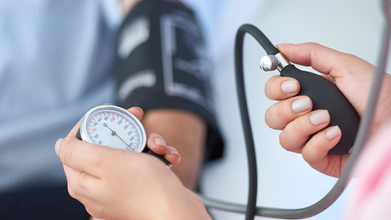
Hypertension or high blood pressure, a major risk for stroke, is preventable and treatable. Yet it accounts for about 14 per cent of cases of stroke among young adults aged below 45 years.
High blood pressure can be defined as the increasing pressure in blood vessels marked as 140/90 mmHg or higher.
Uncontrolled hypertension can burst or block arteries that supply blood and oxygen to the brain, causing a stroke.
A recent study by the Indian Council of Medical Research (ICMR) found that hypertension (74.5 percent) was the most common risk factor for stroke and related deaths (27.8 percent) and significant disability (about 30 per cent) across India.
“Blood vessel walls can be damaged through uncontrolled high blood pressure, making them prone to blockage or rupture. The good news is that hypertension is preventable through regular monitoring, reduced intake of salt, exercise stress control, and medication when required,” Dr. Rajul Aggarwal, Director - Neurology, Sri Balaji Action Medical Institute, Delhi, told HealthandMe.
How Does Hypertension Increase The Risk Of Stroke?
Chronic high pressure forces the brain to compensate, leading to vessel remodeling, narrowing, and eventually rupture or clotting.
The ICMR study reported that ischemic stroke accounted for 60 percent of cases.
The experts explained that in the case of ischemic stroke, high blood pressure damages artery walls, fostering plaque buildup (atherosclerosis) or allowing clots to form and block blood flow to the brain.
On the other hand, with hemorrhagic Stroke, constant strain caused by high blood pressure weakens artery walls, causing them to burst or leak blood into the brain. This can result in severe damage or life-threatening emergencies.
“When blood pressure stays high for years, it slowly strains the blood vessels -- nothing dramatic at first, which is why people ignore it. The arteries become stiff and fragile, sometimes narrowing, sometimes tearing,” Dr. Gunjan Shah, Interventional Cardiologist, Narayana Hospital, Ahmedabad, told HealthandMe.
"This makes clots or bleeding in the brain more likely, leading to ischemic or hemorrhagic stroke, even in people who otherwise feel perfectly fit and busy with daily life," Dr. Shah added.
Importance of the ‘Golden Hour’ In Stroke Care
In stroke-related cases, the golden hour -- referred to as the critical first 60 minutes after symptom onset -- is very much critical. Early medical treatment during the window can prevent death risk as well as boost health outcomes.
However, the ICMR study, published in the International Journal of Stroke, showed that just 20 percent of patients arrived in the hospital after 24 hours of the onset of symptoms.
Dr. Aggarwal said treatment within the first 60 minutes can significantly reduce the brain damage and improve survival as well.
“In a stroke, time moves very differently. Brain cells begin getting damaged within minutes when blood flow stops. If someone reaches the hospital quickly -- within the golden hour -- we have a real chance to restore circulation and limit disability. Recognising symptoms early and not waiting at home can truly change how well a person recovers,” added Dr Shah.
How Can Hypertension And Stroke Be Prevented?
Hypertension is a modifiable disease, and the risks can be reduced by:
- Cutting down and managing stress
- Checking blood pressure regularly
- Treating high blood pressure
- Eating less salt
- Staying active
- Managing stress
- Sleeping properly
- Avoiding tobacco
Dr Shah said that many young patients delay care because they feel fine, but taking medicines on time and correcting lifestyle early can prevent serious problems later.
- Follow Us :


© 2024 Bennett, Coleman & Company Limited