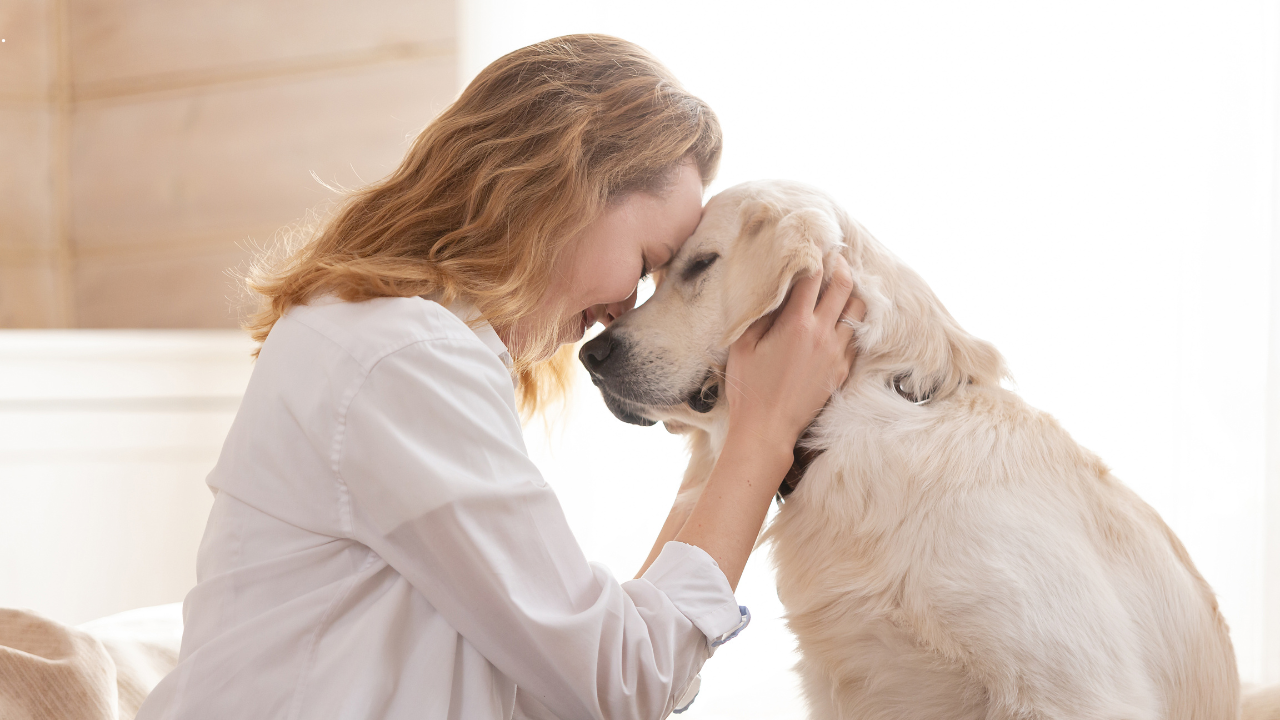
Have you felt that ever since you got a pet dog, you have become more empathetic and passionate? Science now backs it. According to a study published in the journal Frontiers in Psychology, stated that the microbes that come in contact with dogs when they explore outdoors, can in fact, stimulate production of oxytocin. How Dog Microbes Change Human Brain ChemistryResearchers studying the gut brain connection believe dogs act like carriers of environmental biodiversity into modern homes. Most urban households are relatively sterile compared to outdoor spaces. Dogs bridge that gap every time they return from a walk.When humans interact closely with them through touch, cuddling or even shared spaces, some of those environmental microbes enter our own microbiome. Studies published in Frontiers in Psychology suggest this exposure may stimulate oxytocin production.Oxytocin is often called the bonding hormone. It does not only strengthen attachment to pets. It also improves our ability to recognize facial expressions, interpret tone and respond with empathy. In simple terms, the biological response that helps us love a dog may also help us understand other humans better.Why Cats Show A Different EffectCat owners often report similar emotional comfort, but the microbial influence appears to differ. Cats groom themselves frequently and spend more time indoors. Their routines limit the variety of outside organisms they carry into the home.Research in the Journal of Applied Microbiology suggests cats still support mental wellbeing through companionship. However they do not introduce the same level of environmental microbial diversity that active outdoor dogs bring. The emotional benefits remain strong, but the biological pathway affecting nurturing responses may not be identical.Can Pet Bacteria Improve Social BehaviorThe findings are especially interesting for people living in cities where daily contact with nature is limited. A dog effectively becomes a biological connection to the outside world.Greater microbial diversity inside the home is linked with healthier immune responses and lower anxiety. Research reported in Nature indicates that exposure to varied bacteria can subtly affect how people interact socially. Participants exposed to richer microbial environments showed greater patience and sensitivity toward others’ emotions.It suggests the comfort people feel around dogs may extend outward, improving interactions with friends, coworkers and even strangers.Is The Effect Long TermA brief interaction with a dog can temporarily raise oxytocin levels, but living with one appears to produce longer lasting change. Over time, the bacteria on our skin and in our gut gradually shift.Scientists believe this creates a feedback loop. Caring for the animal increases emotional bonding, while the microbes they bring in may reinforce nurturing behavior. The result is not just affection for the pet but a broader tendency toward warmth and social connection in everyday life.