
- Health Conditions A-Z
- Health & Wellness
- Nutrition
- Fitness
- Health News
- Ayurveda
- Videos
- Medicine A-Z
- Parenting
We All Followed This One Hygiene Habit During COVID, Experts Say 'Let's Not Give It Up'

Image Credits: Canva
For me, handwashing has become a ritual—one of the few moments when I’m entirely present, away from my phone, counting ‘Mississippi’ for a full 20 seconds. The pandemic placed a renewed focus on hygiene, emphasizing handwashing as a key defense against germs. While COVID-19 brought stress, uncertainty, and lifestyle disruptions, it also reinforced habits that should endure. From walking through stay-at-home mandates to readjusting to normalcy, one silver lining stands—our increased awareness of hygiene. Online discourse was filled with worries about dry, chapped hands, confirming that overhand washing became second nature. But should we allow this habit to dwindle?
The pandemic of COVID-19 was a harsh reminder of the need for personal hygiene, and one single but effective habit was at the forefront: handwashing. During a time when the world was facing an unparalleled health emergency, washing hands well and often became a key instrument in the slowing down of the virus's spread. Today, as we proceed, health professionals firmly recommend that we continue to keep this important habit alive—not only for COVID-19 but for public health in general.
Handwashing was usually skipped or done quickly before the pandemic. Most of us washed our hands carelessly without soap for the full 20 seconds. But when COVID-19 hit, public health messages, government regulations, and individual fear of getting infected made proper handwashing a daily necessity. Social media was filled with handwashing tutorials, offices added sanitizing stations, and grocery stores filled up on hand sanitizers and wipes. The outcome? An increase in global awareness of the role hand hygiene plays in preventing not only COVID-19 but also other contagious diseases like influenza, norovirus, and the common cold.
The pandemic taught us to become more aware of our hygiene habits on a day-to-day basis. At home, at work, or when in public areas, washing one's hands became an automatic routine. Most developed habitual routines so that they made sure to thoroughly clean their hands each time they touched something, handled groceries, or came in from outside activities.
Actually, a research study by Dyson revealed that although most people acknowledged the necessity of handwashing, only 47% of them knew that effective hand drying is just as important. Wet hands can spread as much as 1,000 times more bacteria than dry hands, which is why hands should be thoroughly dried using a clean towel or air dryer.
Why Handwashing is More Important Than Ever?
Since 2024 was dubbed the "year of disease" because of the resurgence of several viruses, such as seasonal flu, RSV, and emergent COVID-19 strains, good hand hygiene must be upheld. Handwashing stops the spread of virus and bacteria that can survive on surfaces for a span of hours or days. Specialists point out that this easy habit should not be abandoned after the pandemic but should be embedded in daily lives as a public health practice that lasts.
Studies indicate it takes an average of 66 days to develop a new habit. COVID-19 measures having lasted so long, hand hygiene has probably become second nature to most individuals. The catch now is how to ensure this habit is sustained even after the pandemic.
Behavioral psychologists recommend consistency is the key. As humans have learned to adjust to mask-wearing and social distancing, to keep up the habit of hand hygiene, one needs reinforcement. Small things like putting reminders in front of sinks, keeping hand sanitizer in a pocket, and using disinfectant wipes will keep the practice going.
Lasting Benefits of Hand Hygiene
The advantages of hand washing go well beyond the prevention of COVID-19. Frequent hand washing lessens the occurrence of foodborne disease, shields against gastrointestinal infection, and reduces the likelihood of respiratory disease. Schools, workplaces, and public areas need to keep emphasizing hand hygiene in order to develop healthier environments.
In addition, correct hand hygiene is also important in the prevention of antibiotic resistance. The misuse of antibiotics has caused drug-resistant bacteria to increase, and infections are becoming more difficult to treat. By minimizing the transmission of germs through handwashing, we can decrease the demand for antibiotics, thus preventing antibiotic resistance globally.
How to Maintain the Habit Post-Pandemic?
Though the immediacy of COVID-19 might have lessened, hand hygiene is still a priority. Here's how you can make this habit a continued part of your daily life:
Wash for the Full 20 Seconds: Sing "Happy Birthday" twice or count "Mississippi" to make sure you're washing long enough.
Use Soap and Water Whenever Possible: Washing with soap and water is best to get rid of dirt, grease, and germs, but hand sanitizer works too.
Dry Hands Properly: Don't wipe hands on clothing; use paper towels, clean cloth towels, or air dryers instead.
Keep Hand Sanitizer Handy: If soap and water are not around, use an alcohol-based hand sanitizer with a minimum of 60% alcohol.
Keep Using Disinfectant Wipes: Clean shopping carts, gym equipment, and high-touch surfaces to reduce germ spread.
The COVID-19 pandemic has shifted our mindset towards hygiene, and experts are optimistic that these good changes will be long-lasting. Governments and health agencies must keep conducting public awareness campaigns to remind people of the significance of hand hygiene. Schools, workplaces, and healthcare facilities must make accessible handwashing stations a priority to promote regular practice.
As flu seasons pass and new infectious diseases arise, hand hygiene is one of the easiest and most effective means of keeping ourselves and others safe. The pandemic has perhaps made us more aware, but the onus of good hygiene practices is now in our hands—literally.
Though we might be ready to bid farewell to much of the pandemic, one practice is worth holding onto: handwashing. It is a simple behavior with a huge payoff, one that can prevent illness, lower healthcare costs, and save lives.
Brain Aging: This Protein Is Linked to Memory Loss and Cognitive Decline

Credit: Canva
Aging is a significant factor in memory loss and cognitive decline. Now, a team of US researchers has pinpointed a single protein that drives these changes in the brains of the elderly.
In aging mice, higher levels of protein FTL1 weakened connections between brain cells, leading to memory decline.
But when FTL1 was reduced, the brain began to recover. It also rebuilt lost connections and restored memory performance, according to the study, published in Nature Aging.
"It is truly a reversal of impairments," said Saul Villeda, Associate Director at the University of California - San Francisco's Bakar Aging Research Institute and senior author of the paper. "It's much more than merely delaying or preventing symptoms."
While the research was carried out in aging mice, it holds immense potential for human brain function.
FTL1: A Key Driver Of Brain Aging
In the study, the researchers tracked shifts in genes and proteins in the hippocampus of mice. The FTL1 protein appeared consistently different between young and old animals.
Compared to young mice, the older mice showed higher levels of FTL1. They also had fewer connections between neurons in the hippocampus and performed worse on cognitive tests.
Increasing FTL1 levels in young mice produced brain changes similar to those seen in older mice. The researchers found that this change occurs because of alterations in the way nerve cells produce FTL1 protein.
In older mice, the nerve cells that produced high amounts of FTL1 developed simplified structures, forming short, single extensions instead of the complex, branching networks seen in healthy cells.
Further experiments showed that in older mice, higher levels of the protein slowed cellular metabolism in the hippocampus -- the part of the brain responsible for learning and memory.
However, when researchers treated these cells with a compound that boosts metabolism, the negative effects were prevented.
Also read: This Unique Diet Slows Brain Aging By Over 2 Years, Study Says
A Promise For Future Brain Aging Therapies
Villeda believes these findings could pave the way for treatments that target FTL1 and counter its effects in the brain.
"We're seeing more opportunities to alleviate the worst consequences of old age," he said. "It's a hopeful time to be working on the biology of aging."
Also read: Exercising Could Make Your Brain Younger, Says Doctor
Here's How To Boost Your Brain
- Simple movements like squats, push-ups or resistance band exercises
- Indulging in mentally challenging activities such as puzzles, reading, strategy games
- Learn new skills like any language, or musical instruments
- Better sleep — about 7-9 hours
- Healthy diet — rich in leafy greens, vegetables, berries, nuts, olive oil, whole grains, fish, beans, poultry
- meditation, deep breathing, or yoga
- Avoid smoking, and drinking alcohol.
Early-Stage Lung Cancer Surgery Safe, Effective Even After 80, Reveals Lancet Study
Credit: Canva/iStock
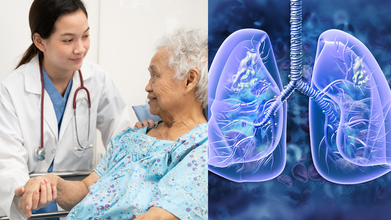
Cancer treatment has long been thought to be unsuccessful among people of advanced age, and older adults are often left out of clinical decisions.
While they may face more surgical complications, a new study proved that even people aged over 80 can still safely have surgery and be cured. It showed that the overall health of a patient matters more and that age must not be the only criterion to rule out surgery.
The study, published in The Lancet Regional Health – Americas, showed that surgery for lung cancer is safe in elderly patients aged 80 and above, especially when the cancer is in an early stage.
Researchers at the Icahn School of Medicine at Mount Sinai and the Mount Sinai Tisch Cancer Center in the US found that they can recover like young cancer patients as well as live longer like them.
“As our population ages, more patients over 80 are being diagnosed with early-stage lung cancer, yet they are often not considered for surgery,” said Raja M. Flores, Chair of the Department of Thoracic Surgery at Mount Sinai Health System.
“Our findings show that when patients are carefully selected based on their overall health, not just their age, they can tolerate surgery well and experience excellent long-term outcomes,” he added.
What Did The Study Find?
The study findings are based on a study of 884 patients with early-stage lung cancer, including 114 people who were age 80 or older.
The researchers examined surgical outcomes and quality of life in patients with early-stage non-small cell lung cancer, comparing those aged 80 and older with younger patients.
The results showed that older patients lived just as long as younger patients after surgery. While some older patients had more complications right after surgery, most patients in both groups felt better over time, and their quality of life improved within a year.
The study noted that early detection in older patients may be key. The researchers called for screening guidelines to include patients who are over 80 years old based on these findings.
Also read: Scientists Link Vaping to 2 Types of Cancer; DNA-Damaging Chemicals to Blame
What Is Lung Cancer?
Lung Cancer is one of the most common and serious types of cancer. It is also the leading cause of cancer-related deaths worldwide, with approximately 2.5 million new cases and 1.8 million deaths reported in 2022.
According to the American Cancer Society, lung cancer mainly occurs in older people. Most people diagnosed with lung cancer are 65 or older; a very small number of people diagnosed are younger than 45.
The average age of people when diagnosed is about 70.
It is also the leading cause of cancer death in the US, accounting for about 1 in 5 of all cancer deaths.
In many cases, there are no symptoms; however, one must look out for these:
- a persistent cough
- coughing up blood
- persistent breathlessness
- unexplained tiredness and weight loss
- an ache or pain when breathing or coughing.
Also read: New AIIMS Study To Probe How PM2.5 Is Surging Lung Cancer Risk In India
The two main types of lung cancers are:
Non-small-cell lung cancer (NSCLC): This is the most common form, making up about 80–85% of all cases. NSCLC includes three subtypes:
- Squamous cell carcinoma
- Adenocarcinoma
- Large-cell carcinoma
Are Young Indians At Risk? The Rising Burden Of Early-Onset Cancers
Credit: Canva
Cancer is not just a problem of elderly people anymore. In India, there has been an increased number of cases where individuals under the age of 40 are diagnosed with various forms of cancer. Even if there are fewer cases of this medical condition among younger people, this fact does not change the fact that one-fifth of all cancer patients in India are younger than 40 years.
Breast cancer, colorectal cancer, head and neck cancer, as well as blood cancer, are some types of cancer that become more common at a younger age. Among the most alarming statistics, the incidence of colorectal cancer in people aged 30-40 should be mentioned. Moreover, the fact that breast cancer becomes evident nine years earlier in Indian women in comparison with Western women must also be noted.
What Makes This Problem Increase?
There is a wide variety of factors that contribute to this problem. These are the following:
- Lifestyle changes, such as lack of exercise, unhealthy eating habits, being overweight, and stressful situations
- Alcohol and tobacco consumption
- Pollution in the urban environment
- Problems with early diagnosis due to the negligence of patients
- Low screening rates among the young population
Early detection saves lives. Some warning signs to look out for are:
- Sudden and unexplained weight loss
- Endless fatigue
- Digestion issues
- Breast lumps or any swellings anywhere in the body
- Coughing or trouble swallowing persistently
Why Late-stage Diagnosis Is Even More Serious
Not only does it take time to diagnose cancer cases in young patients due to low suspicions, but these cancers also create an additional burden on people during their prime earning period.
How To Combat This Trend
There needs to be a paradigm shift in our understanding of this problem. First of all, we have to understand that cancer affects patients irrespective of their age, and therefore, when you experience some symptoms of cancer, do visit a doctor to get your condition checked out.
The key is maintaining healthy practices like balanced nutrition, exercising, not smoking, and limiting consumption of alcohol.
- Follow Us :


© 2024 Bennett, Coleman & Company Limited