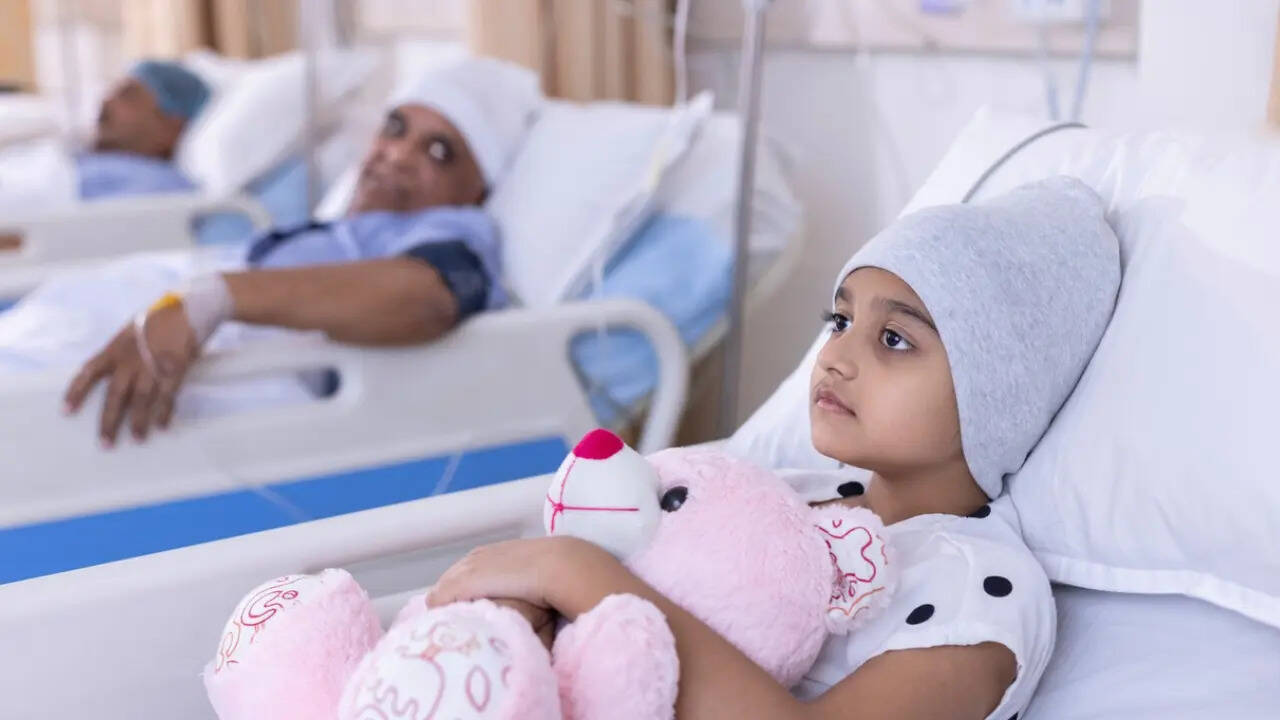
Cancer, a rare occurrence? Unfortunately, not anymore. According to recent findings from an analysis published in The Lancet, cancer is one of the top 10 causes of death among Indian children. This is an alarming statistic, signalling an under-recognised public health problem. Data in the Global Burden of Disease Study 2023 noted that even as infectious diseases decline, noncommunicable diseases like cancer are emerging as a serious threat to child survival and well-being. In India, this epidemiological shift is particularly concerning in the context of childhood cancers. Despite being rare, they are highly treatable when detected in the early stages—yet most cases are diagnosed late.As per the Indian Council of Medical Research’s National Centre for Disease Informatics and Research (ICMR-NCDIR), childhood cancers accounted for 3–5 per cent of cancer cases reported in India in 2022. The country sees an estimated 50,000 to 60,000 cases every year among children aged 0–14 years. This makes it one of the highest burdens globally. In 2023, 377,000 cases of childhood cancer were reported globally, along with 144,000 deaths, according to The Lancet research paper.Read more: 3 Children In Every 4 Minutes Are Diagnosed With Cancer, That's What Makes Awareness Important Says DoctorHidden cancer burden in IndiaWhen it comes to childhood cancers in India, leukaemia, or blood cancers, are the most common, followed by lymphomas and tumours of the central nervous system. Collectively, these categories comprise most cases of childhood cancers in the country. The statistics vary across regions, with Delhi reporting the highest number of cases due to better diagnostic facilities. However, experts believe that the actual burden is likely to be much higher. Incomplete cancer registration and limited access to proper diagnostic facilities in underserved and rural areas are to blame for delayed diagnosis.Why is childhood cancer detected late in India?Experts say that cancer deaths in India can largely be attributed to delayed diagnosis. Early symptoms of cancer in children include fatigue, fever, unexplained weight loss, and swelling in certain body parts. These symptoms are often overlooked, leading to delays at multiple levels. According to the ICMR 2022 factsheet, a significant proportion of children reach hospitals only at advanced stages of the disease. By then, treatment becomes more complex, more expensive, and less likely to succeed.Access to cancer care for childrenAccess to cancer care for children is uneven in India. Paediatric oncology services are largely limited to hospitals in tier-one cities, forcing families from rural areas and smaller towns to travel in order to access proper treatment. This imbalance results in delayed care, especially for economically vulnerable families. Financial limitations are another barrier in the process—even if treatment costs are subsidised, expenses such as travel, accommodation, and loss of income can be overwhelming.Read more: 41 million children aged 5-19 living with high BMI in India: StudyIrregular survival patternsGlobally, survival rates for childhood cancers exceed 80 per cent in high-income countries. In India, outcomes are uneven. The ICMR 2022 factsheet noted that survival depends on the stage of diagnosis, type of cancer, and where the child is treated. Hospitals in India are reporting improving survival rates for certain forms of cancer, such as acute lymphoblastic leukaemia. The ICMR factsheet also highlights the need for a dedicated approach to paediatric cancer care, including better infrastructure, trained doctors, and stronger referral systems.