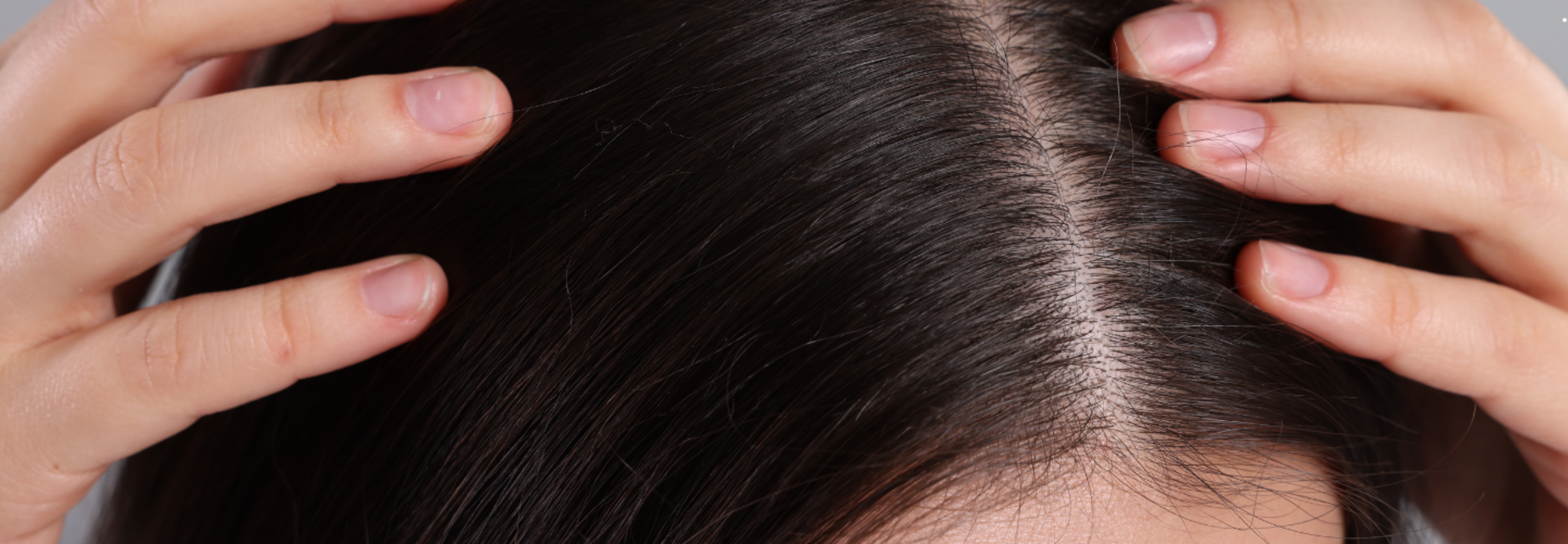
Your scalp and hair might be trying to tell you more about your overall health than you realise. From dryness and dandruff to hair loss and greying, these signs could indicate a deeper issue or simply show that you need to tweak your hair care routine. Let’s break down some common scalp and hair conditions and what they could be saying about your health.Dandruff: Annoying but HarmlessDandruff is one of the most common scalp concerns, but the good news is that it’s not harmful. Experts suggest that dandruff may result from an overgrowth of a naturally occurring fungus on the scalp, combined with other factors like oily skin, stress, cold weather, or conditions like eczema and psoriasis. While it can be embarrassing, with those white flakes visible on your clothes, it’s more of an inconvenience than a health risk.What to do: Using an antidandruff shampoo regularly can help control the flakes. Leave the shampoo on for about 5 minutes before rinsing to allow it to work effectively. If one shampoo doesn’t work, try another type until you find the best match for your scalp.Greasy Yellow Flakes? It Could Be Seborrheic DermatitisIf your dandruff looks greasy and yellow, you may be dealing with seborrheic dermatitis. This condition occurs where oil glands are most active, including the scalp and face. Experts suggest that seborrheic dermatitis may be related to hormones, certain fungal infections, or even neurological conditions like Parkinson’s disease. Despite the potential causes, the treatment is similar to regular dandruff—antidandruff shampoos.What to do: Manage seborrheic dermatitis with shampoos specifically designed for the condition. Consistency is key to keeping it under control.Hair Shedding: How Much is Too Much?It's normal to lose some hair daily—experts say shedding up to 100 hairs a day is typical. Your hair goes through growth cycles, and not all your hair is growing at the same time. About 90% of your hair is in the active growth phase, while the other 10% is in a resting stage, which leads to shedding after a few months.What to do: If you notice more hair loss than usual, it could be due to stress or a condition called telogen effluvium, where hair enters the resting stage prematurely. Reducing stress can help get your hair back on track.Thinning Hair: Stress or Something Else?Telogen effluvium (TE) is often caused by physical or emotional stress, which triggers hair to stop growing and fall out. This condition usually results in noticeable thinning rather than bald patches.What to do: Reducing stress, eating a balanced diet, and giving your hair time to recover can help reverse the effects of TE.Alopecia: Sudden Hair LossAlopecia areata is an autoimmune condition where your immune system mistakenly attacks your hair follicles, causing hair loss, often in small patches. While not harmful, it can be emotionally challenging. Experts suggest that in some cases, the hair may grow back on its own, but treatments can speed up the process.What to do: If you notice sudden patches of hair loss, consult a healthcare professional for advice on treatment options that may help hair regrow more quickly.Genetics and Hair LossMale and female pattern baldness is largely hereditary. Experts suggest that male pattern baldness often starts with receding hairlines and thinning at the crown, while women tend to experience more gradual thinning on the top of their heads.What to do: Medications like minoxidil and finasteride can help slow down hair loss and promote regrowth in some people.Premature Graying: Not Just About AgeingFinding gray hairs before the age of 40? It could be genetic. However, premature graying could also signal underlying health issues like anemia, thyroid conditions, or a deficiency in vitamin B12.What to do: While you can't prevent genetic graying, maintaining a balanced diet and managing any underlying health issues can help.Overstyling and Hair HealthExcessive blow-drying, flat ironing, coloring, and bleaching can weaken your hair. Over time, this damages the outer layer (cuticle), leaving your hair dry and brittle. Experts suggest that while overstyling doesn’t cause permanent health problems, it can weaken hair to the point that cutting it off may be your only option for regaining healthy strands.What to do: Give your hair a break from heat styling and chemical treatments to keep it looking and feeling healthier.Sun Damage: Protect Your ScalpJust like your skin, your scalp needs protection from the sun. Too much exposure can lead to dryness, breakage, and even sunburn on a thinning scalp.What to do: Wear a hat or use hair products with SPF to shield your hair and scalp from the sun’s harmful rays.