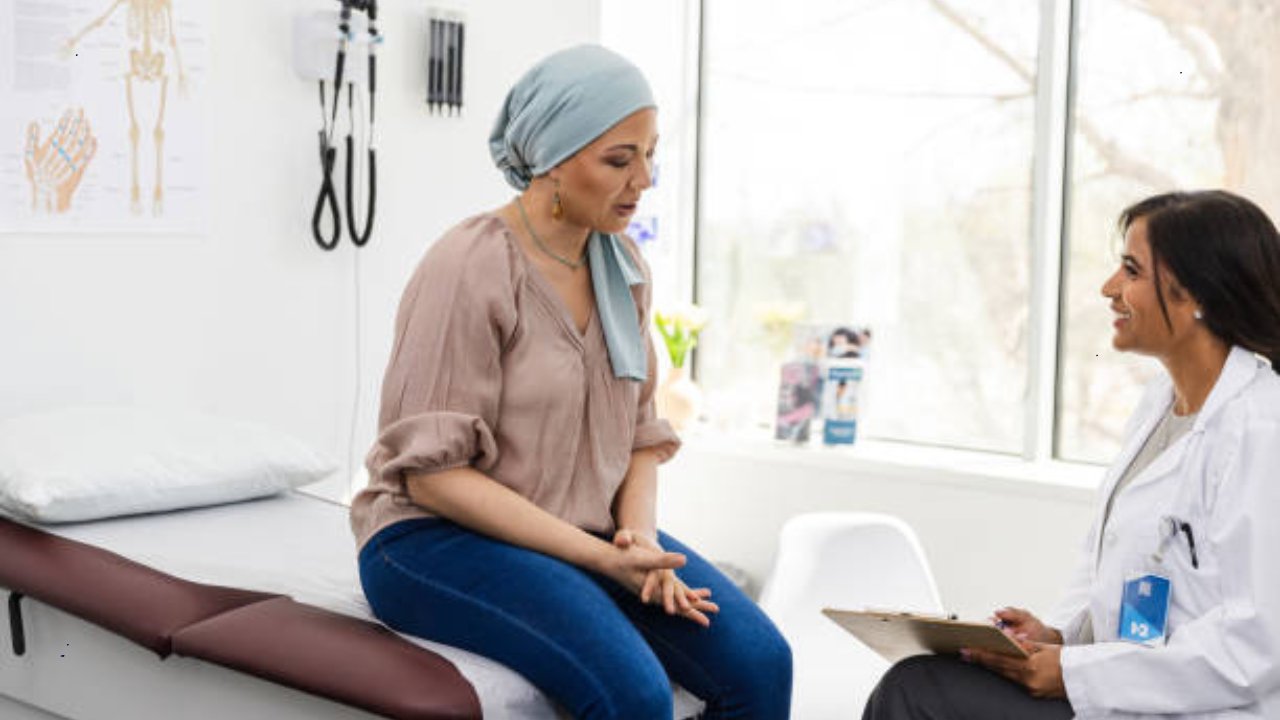
For many women, the last day of treatment feels like crossing a finish line they have been running toward for months. There is relief, there is gratitude, and there is often a quiet sense of disbelief that it is actually behind them. But finishing treatment is not really the end of the journey. It is the start of a new chapter—one we call survivorship—and it deserves just as much care and attention as everything that came before. Understanding what lies ahead can make all the difference between living in fear and living well.Follow-Up Care Must ContinueRecovery does not mean walking away from the hospital. In the first few years after treatment, survivors are usually asked to return for follow-ups. The reason behind this is simple: if cancer ever returns, catching it early gives the best chance of treating it successfully. Or in many cases it a good habit to keep a check and boost confidence to the survivors.Impact of treatmentWhat often surprises many women is that the impact of cancer treatment may continue even after active treatment ends. Recovery is a gradual process, and experiences can vary significantly from one individual to another depending on the type of cancer, treatment approach, and overall health. In terms of breast cancer, some women may continue to face physical, emotional, or lifestyle-related challenges during survivorship, while others may require ongoing therapies or follow-up care to reduce the risk of recurrence. What must always be remembered is that these issues cannot be addressed in silence. Open communication between the woman and her treatment team may allow problems to be sorted out in time, with the proper support being provided.Emotional Health Deserves Equal AttentionHealing is not only physical. Many survivors carry a constant worry about whether the cancer will come back, while others feel strangely lost once the busy routine of treatment falls away. These emotions are completely natural and nothing to be ashamed of. Speaking to a counsellor, joining a support group, or simply being honest with the care team can lighten the burden enormously.Healthy Habits Support RecoveryThe choices made every day genuinely shape long-term health. Eating plenty of vegetables, fruits, and whole grains, and staying active with something as simple as a thirty-minute walk most days, makes a real difference. Keeping to a healthy weight is especially important, because carrying excess weight is linked to a higher chance of the cancer returningi. Cutting back on alcohol and staying away from tobacco add further protection.Adjusting to Physical ChangesThe body changes after cancer and coming to terms with this takes time. Worries about appearance and intimacy are entirely understandable, and they are worth raising during clinic visits, because often there are practical ways to help.Be an Informed AdvocateNo one understands a patient's body better than the patient herself, which is why every survivor should feel empowered to ask questions. Before treatment ends, it is wise to request a survivorship care plan. This is a summary of the treatment received, together with a clear schedule for future check-ups. Such a document becomes an invaluable guide, both for the survivor and for any doctor she may see in the years ahead.Looking AheadSurvivorship is rarely a straight line. There will be good days and harder ones, moments of confidence and moments of doubt. With regular check-ups, a few sensible habits, and the support of people who care, life after breast cancer can be every bit as rich and full as before—sometimes even more so. Because in the end, the goal of cancer treatment was never just to help women survive. It was always to help them truly live.