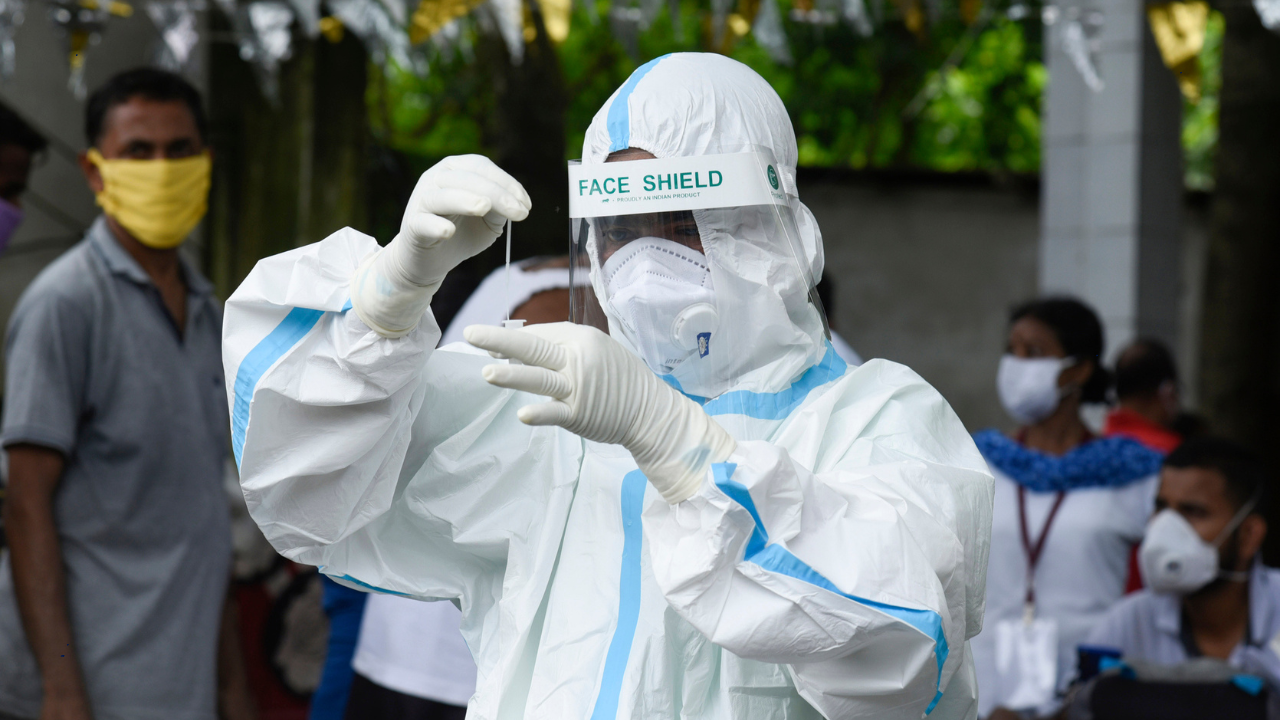
One of the main reasons diseases like Shigella, Nipah virus, and West Nile Fever get noticed is Kerala’s relatively efficient healthcare system, which extends all the way down to the grassroots level, where diseases can be diagnosed, treated, and reported — then forwarded through scientific publications for worldwide scrutiny and knowledge sharing.Shigella Outbreak Shigella is a fast-spreading bacterial diarrheal disease that may sometimes lead to bloody dysentery, destruction of blood cells, kidney damage, and, rarely, encephalopathy, which can be fatal. Shigella outbreaks typically occur in clusters, where a few individuals consume contaminated food or water or come into contact with an infected individual, as can easily happen in an Anganwadi, where children play with the same toys and touch each other in the course of play. Besides, it is difficult to get children to wash their hands as adults do. In most cases, Shigella causes a mild illness, but in children under the age of five, it is known to cause more severe disease because of their limited immunity. Because it is a bacterial illness, it can be treated with antibiotics, chosen based on the type and resistance pattern of the bacteria found in the particular outbreak. Antimicrobial resistance is a worldwide challenge, but in India, Shigella strains are not as resistant as those found in the West. Ensuring safe food and clean drinking water, and avoiding contamination of drinking water with sewage — especially due to flooding during monsoons — is the way to prevent outbreaks from occurring.Nipah Virus OutbreakNipah outbreaks are familiar to the people of Kerala from a large outbreak in 2018, affecting about 20 people. In subsequent years, however, outbreaks have been well-controlled, with person-to-person spread effectively halted by early identification of patients, contact tracing, and isolation of high-risk contacts. Nipah is a dangerous and deadly disease, particularly when it affects the brain. The mortality rate can be as high as 90% in some outbreaks, though in smaller series, the rates have been lower, which is attributed to early detection and prompt supportive care. Nipah is a zoonotic disease, involving a spillover of the virus to humans from fruit bats. In many instances, the first case has turned out to be fatal. Caregivers may contract the disease from this person through close personal contact during the course of illness, especially if protective measures such as gloves and masks are not used. While the initial spillover may not always be preventable, Nipah countermeasures are largely about preventing further person-to-person spread through contact tracing. Fortunately, despite its high death rate in affected individuals, Nipah is not a fast-spreading disease like influenza or Covid, and therefore, there is no need for public anxiety. Preventive measures include avoiding contact with bats and discarding any half-eaten fruit found on the ground beneath fruit trees.West Nile Fever and Dengue West Nile virus is spread by the Culex mosquito. In most instances, the infection is either asymptomatic or mild. In a small fraction, it goes on to infect the brain, in which case it behaves like other viral encephalitides. The Culex mosquito, which spreads West Nile virus, tends to bite in the early morning and at dusk, and requires sustained mosquito control measures throughout the year. These mosquitoes are particularly common in waterlogged and low-lying areas.Dengue, on the other hand, is a viral disease caused by four different serotypes, spread by the Aedes mosquito. The dengue virus is capable of infecting the same person repeatedly. The second infection tends to be more severe and can rarely be fatal. Dengue symptoms can range from none to mild fever, to high fever with severe body ache, and in some cases, internal bleeding. There are no effective antiviral agents. Countermeasures essentially involve controlling the vector — the Aedes mosquito, an aggressive, small, day-biting mosquito with distinctive black and white stripes along its abdomen, which lays eggs in non-salty water typically found within the premises of residential or commercial properties, and in blocked drains. These eggs can survive long dry spells.As for the life cycle, the larval-to-adult development takes approximately 7–10 days under warm conditions. The mosquito is capable of living indoors, which means it can spread the virus from an infected individual to others living in the same building or premises.Control MeasuresEffective control of these infectious diseases involves sustained efforts at addressing the root causes, systematic public education, early case identification, and established public health strategies for preventing further spread.