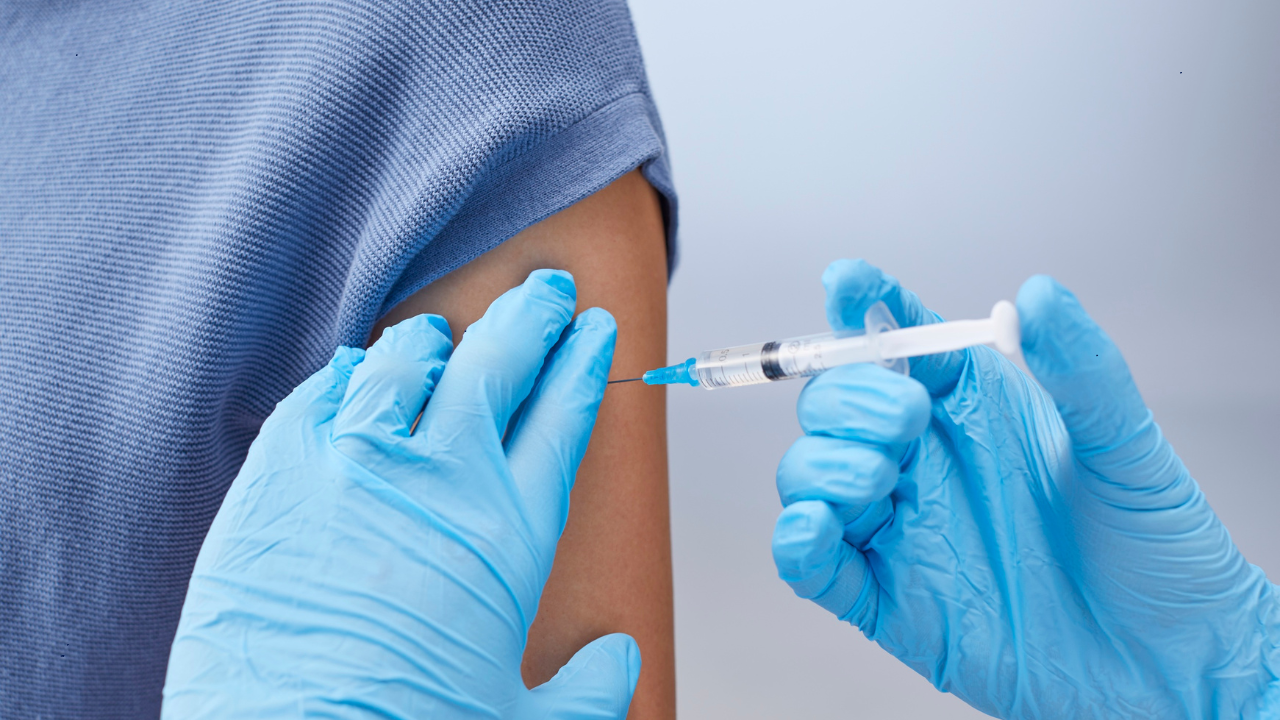
The initiation of a free HPV vaccination for young girls by India could be revolutionary for dealing with cervical cancer, which is largely preventable despite being one of the most deadly cancers for our country‘s women, before the girls' first encounter with sexual intercourse. The primary cause of cervical cancer is chronic infection by high-risk HPV types, in particular HPV 16 and 18. As the majority of cervical cancers are caused by these HPV types, vaccination can prevent up to 70-90 percent of cases. In a country like India with relatively low screening rates, vaccination is an extremely important additional layer of protection at the population level. Who Should Receive The HPV Vaccine? It has been shown that the most beneficial age to administer this vaccine is between 9 and 14 years, and before exposure to the virus. But, it also shows benefit in adolescents and young adults if unvaccinated. Lets not forget boys should be vaccinated too, they are susceptible to receiving and transmitting the virus and are susceptible to HPV cancers themselves. HPV Vaccine And The Myths The HPV vaccine has been rigorously researched and demonstrated to be a safe and effective vaccine. The vaccine has not been shown to encourage early sexual activity and does not have any adverse effects on fertility. Common and mild side-effects (similar to other vaccines) such as injection site pain and fever may be experienced but severe side-effects are very uncommon. The Importance Of Screening Vaccination does not remove the need for cervical screening. Vaccinated women will still require regular screening by way of a smear test and HPV testing, since the vaccine does not protect against all cancer-causing HPV strains. Screening aims to pick up pre-cancerous changes at a point in time where treatment is straightforward and highly effective. The choice for parents to vaccinate their daughters (and their sons as well) with the HPV vaccine once eligible, and for women over 21, should not be a passive one; screening advice should be adhered to, and ‘preventing them today will mean more life tomorrow.