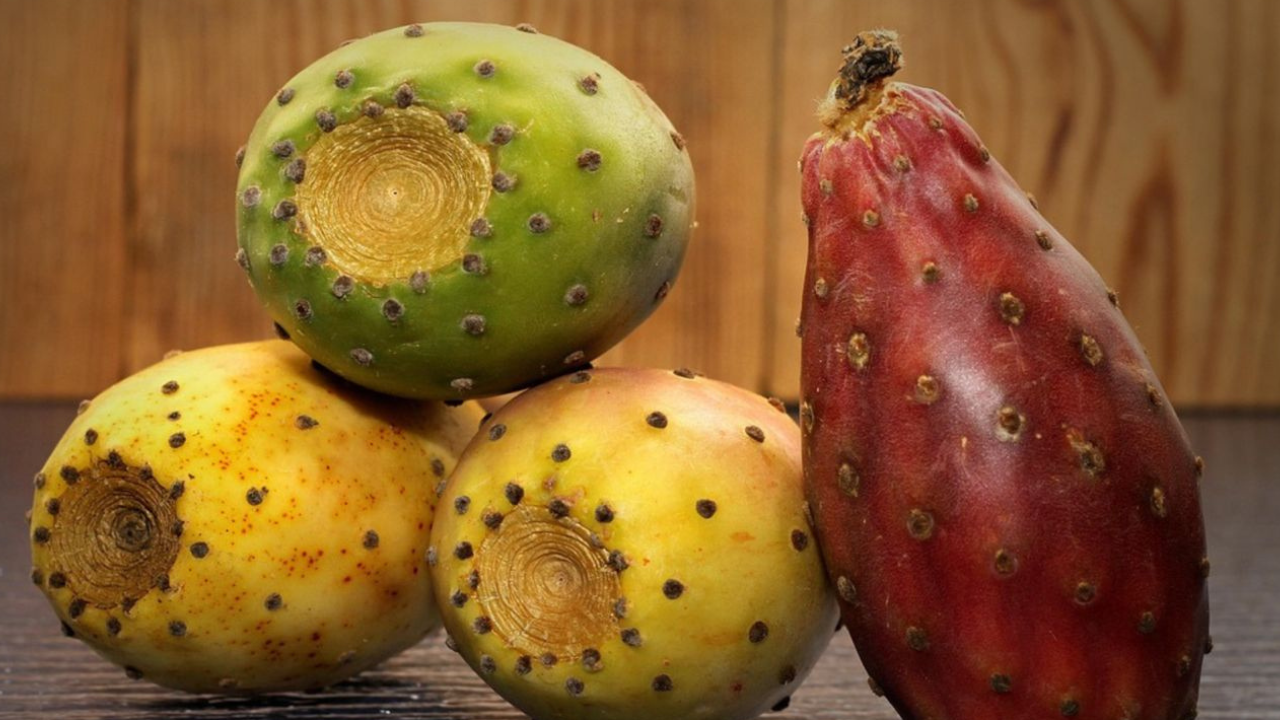
Edible cactus, especially varieties from the genus Opuntia, has moved far beyond traditional cuisine and into the world of functional foods. Often eaten as cactus pads known as cladodes or as the fruit called prickly pear, this plant has been studied for its possible benefits in diabetes, cholesterol management and overall metabolic health. But how strong is the evidence? Here is a clear and scientific look at what research says: What Is Edible Cactus?The most commonly studied species is Opuntia ficus-indica, widely consumed in Mexico and other arid regions. According to 2011 Journal of Food Science and Technology study, cactus cladodes are rich in dietary fiber, antioxidants, vitamins and minerals. A 2025 Scientific Reports study also shows that cactus pear accessions contain bioactive compounds such as polyphenols, betalains, and flavonoids, which may help prevent chronic illnesses like cancer, diabetes and cardiovascular diseases, while supporting immune function, gut health and cognitive health. Another 2021 Food Chemistry study describes cactus species as underutilized plants with strong nutritional potential. They are particularly high in soluble fiber which are important for blood sugar and cholesterol regulation.How Could Cactus Help Blood Sugar?Multiple researchers suggest that edible cactus can lower control blood sugar levels due to its high fiber and bioactive compounds.A 2022 Medicina study reviewed the use of prickly pear cladodes as a functional ingredient for hyperglycemia management and found evidence suggesting that consuming cactus pads with meals may reduce fasting glucose levels.Normal postprandial (post-meal) blood sugar for adults without diabetes is typically below 140 mg/dL two hours after eating. For individuals with diabetes, the target is generally less than 180 mg/dL. A systematic review by a 2019 Medicina study examined human trials on Opuntia consumption and found reductions in blood glucose and insulin levels, especially in individuals with Type 2 diabetes. However, the results were not entirely consistent across all trials.More recent analytical research by the Chinese Journal of Analytical Chemistry suggests that cactus bioactive compounds may inhibit enzymes such as alpha-glucosidase and alpha-amylase, both key digestive enzymes that work sequentially to break down starch into glucose in the body. These enzymes are involved in carbohydrate digestion. By slowing their activity, cactus components may reduce the speed at which glucose enters the bloodstream, suggetsing that cactus may help the body handle carbohydrates more gradually.What About Cholesterol?Cholesterol management is another area of interest. The high fiber content of cactus is again central and soluble fiber can bind bile acids in the intestine, increasing their excretion. As bile acids are made from cholesterol, the body may use circulating cholesterol to produce more bile, which can lower LDL levels.A Nutrition review and meta-analysis conducted randomized clinical trials on cactus pear and cardiovascular risk factors. They found significant reductions in body weight and some lipid parameters, though the overall quality of evidence varied.Another 2024 Nutrition study also highlighted the potential of Opuntia species in managing obesity and related metabolic conditions, including dyslipidemia. Some studies reported reductions in total cholesterol and LDL cholesterol, particularly in individuals with metabolic syndrome.However, the magnitude of these changes is generally described as moderate rather than dramatic.But Are There Any Limitations?While the findings are promising, the evidence has limitations.Many studies involve small sample sizes. Some trials are short-term. Preparation methods also vary widely, from fresh cladodes to powders, extracts, or capsules. Dosage differences make it difficult to compare results directly.In addition, cactus should not be viewed as a replacement for medical treatment. For individuals with diabetes or high cholesterol, it may be a supportive dietary addition rather than a standalone therapy.So, Can Edible Cactus Help?Based on current research, edible cactus appears to have potential benefits for improving post-meal blood glucose and possibly lowering cholesterol levels. The effects are likely due to a combination of soluble fiber, enzyme inhibition, and antioxidant activity.However, the improvements observed in studies are generally modest. Cactus works best as part of an overall balanced diet rich in fiber, whole grains, fruits, vegetables, and healthy fats.In summary, edible cactus is not a miracle cure, but it is a scientifically interesting and nutritionally valuable food. As research continues, especially with better-designed human trials, we may gain clearer answers about how strong its metabolic benefits truly are.