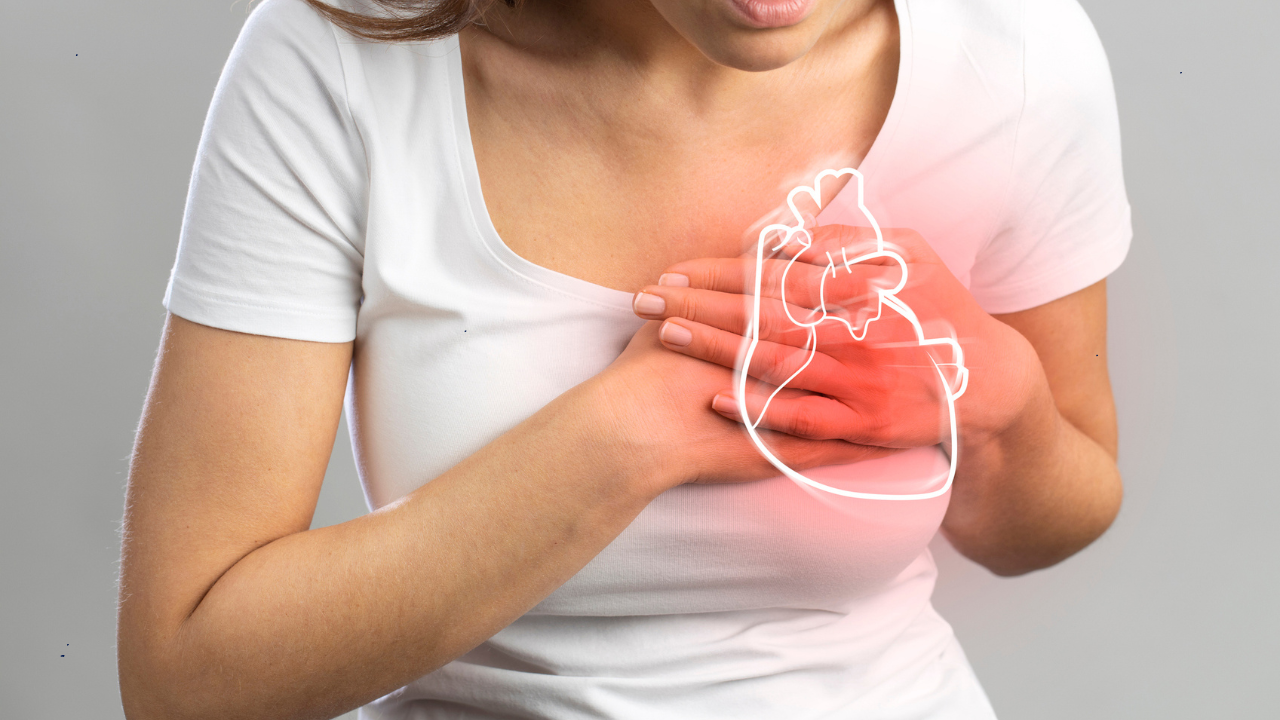
Heart diseases are viewed as a universal health concern, and advancements in cardiology have hugely improved diagnosis and treatment outcomes around the world. At the same time, emerging research is shedding more light on how cardiovascular disease affects women. In India, this perspective is especially important. Of the more than 10 million deaths recorded annually in the country, nearly two million are attributed to diseases of the circulatory system, with women accounting for about 40% of these cases. Significantly, more than half of the nearly 800,000 cardiovascular deaths among Indian women each year occur prematurely, underscoring the importance of greater awareness, early detection, and timely medical care.How Cardiac Research Has EvolvedIt is evident that modern cardiology has been shaped by the findings from large, well-characterized populations of patients. The frameworks that have been established from such findings are the ones that guide the approaches that are currently used in the diagnosis and treatment of various forms of heart disease. Such frameworks have been instrumental in the advancement of the management of various forms of cardiovascular diseases worldwide. As the research expands to include larger populations, there is an increased understanding that the manifestation of cardiovascular diseases differs from one group to another, particularly in females.Recognizing Differences In SymptomsThis growing awareness is particularly useful in recognizing symptoms. Although women, like men, may experience chest pain as a symptom of a heart attack, there are other, less common symptoms that women may also experience. These include fatigue, shortness of breath, nausea, dizziness, as well as neck, jaw, or back discomfort. The awareness of these symptoms will allow women to seek treatment sooner, as well as help healthcare providers better understand their symptoms.The Role of Life Stages in Women’s Heart HealthWomen’s heart health is influenced by various life stages and the hormonal changes that accompany them. For instance, after menopause, estrogen levels decline, and since this hormone offers some protective benefits for the heart, the risk of developing heart disease may gradually rise.Certain pregnancy-related conditions, including gestational diabetes, preeclampsia, and high blood pressure during pregnancy, may also indicate a greater likelihood of cardiovascular disease later in life. Recognising these factors allows doctors to monitor heart health more closely and recommend preventive measures that support long-term wellbeing.Strengthening Prevention And Early DetectionPrevention continues to be one of the most effective strategies for reducing heart disease. Regular health check-ups, along with monitoring blood pressure, cholesterol, and blood sugar, are essential for lowering cardiovascular risk. Adopting healthy lifestyle habits further supports long-term heart health. Awareness is equally important. Symptoms such as fatigue or breathlessness are not always immediately linked to heart disease, particularly among women. Raising awareness about heart health can help people recognize early warning signs sooner and seek timely care.Moving Toward More Inclusive Cardiac CareEncouragingly, the field of cardiology is constantly evolving with the help of emerging research that is further enlightening us about the health of the heart in both men and women. With more women being included in research and better developments in diagnostic procedures, healthcare professionals are refining their strategies to deal with heart health. Thus, by adopting the best strategies and emerging research about the health of women’s hearts, awareness and early intervention are the keys to better outcomes and reduced risks among women in India.