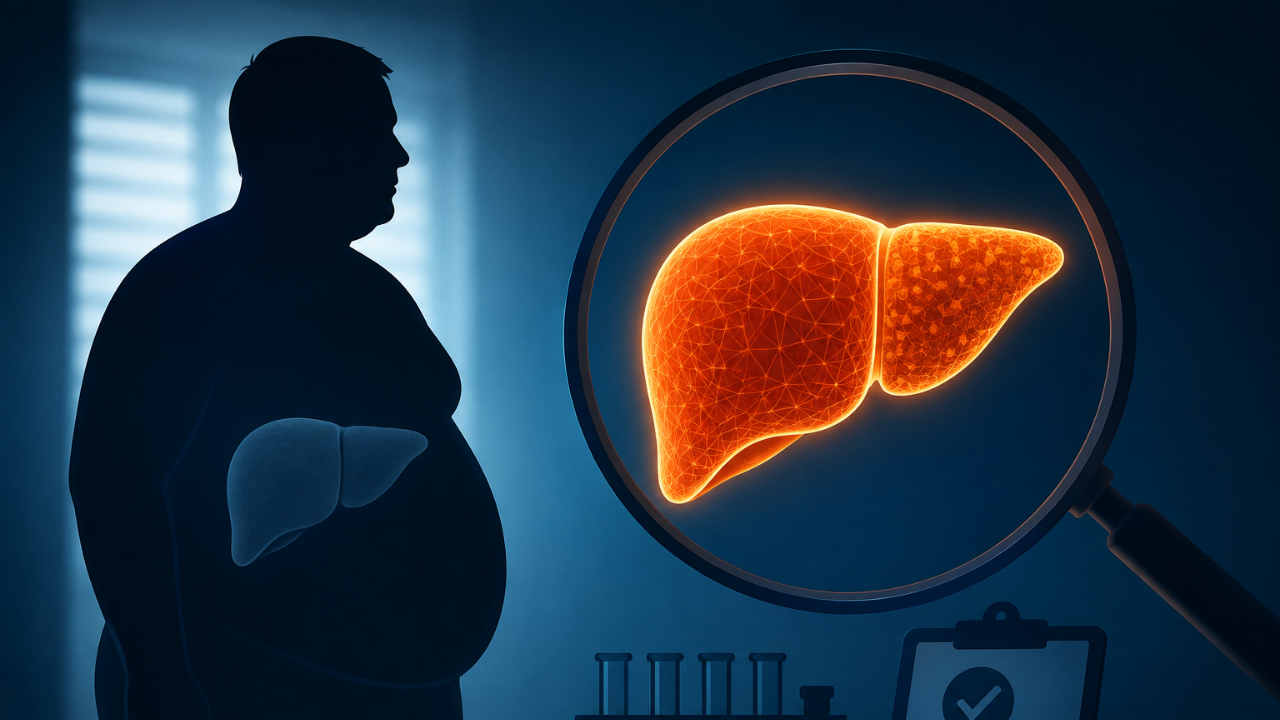
People living with obesity and diabetes often feel healthy in their day-to-day life, but some of the most dangerous changes may be happening silently inside their bodies. The liver is one of the first organs to be affected. In many cases, fat slowly accumulates in the liver without causing any pain, discomfort, or obvious symptoms. This is why fatty liver disease is often called a “silent condition.” By the time it is detected, it may already have progressed to an irreversible stage.Excess body fat, particularly around the abdomen, disrupts how the body processes sugar and fats, placing continuous stress on the liver. Because of this silent progression, experts now strongly recommend that people living with obesity and type 2 diabetes should proactively check their liver health, even when they feel completely well.Obesity is closely linked with liver damage through a series of metabolic changes that develop over time. When the body becomes resistant to insulin, fat begins to accumulate in liver cells, triggering inflammation and gradual injury. If this continues unchecked, the condition can progress from simple fat accumulation to more serious stages, including metabolic dysfunction-associated steatohepatitis (MASH), where inflammation and liver cell damage become more significant. Over time, this may lead to fibrosis (scarring of the liver), and in advanced cases, cirrhosis, which can severely affect liver function. Further, patients with fatty liver may directly present with liver cancer, which can occur in up to 20% of patients.How Common Is Fatty Liver In People With Diabetes And Obesity?In India, the burden of metabolic dysfunction-associated steatotic liver disease (MASLD) or fatty liver is rising and is now recognised as a common metabolic condition. Studies from the Indian subcontinent estimate that 1 in 3 people may have MASLD. Fatty liver is particularly common among individuals with metabolic risk factors. It is seen in nearly 40–80% of people with type 2 diabetes and 30–90% of those with obesity, often without clear symptoms.iv Hospital-based trends also suggest increasing detection in younger age groups, reflecting changes in diet, reduced physical activity, and more sedentary lifestyles.Also read: Post-Menopausal Women Face A Higher Risk Of Fatty Liver Disease: How Falling Estrogen Levels Impact Liver HealthWhat Liver Checks And Preventive Measures Should You Follow? Preventive measures to be followed:If you live with excess weight/obesity and type 2 diabetes or PCOS (polycystic ovarian syndrome) or dyslipidemia, seek early consultation with a physician or hepatologist.Your doctor may request routine metabolic screening:Regular liver function tests as part of annual health check-upsUltrasound screening for individuals with obesity or diabetesMonitoring blood sugar, cholesterol, and triglyceride levelsLiver scarring scan (annually for patients with diabetes/obesity)Avoiding long-term neglect of “mild” or borderline test resultsAlso read: From Liver Inflammation to Cancer: When Hepatitis Becomes a Serious Warning SignWith rising obesity rates in India, early liver screening should become a routine part of preventive healthcare. Even modest weight reduction, improved diet quality, and regular exercise (approximately 150 minutes per week of moderate-intensity exercise (example: brisk walking, gardening, swimming, cycling) or 75 minutes of vigorous exercise (example: weight training) can significantly reduce liver fat and inflammation within 3-6 months. However, once the disease progresses to MASH or fibrosis, reversal becomes more difficult and may require long-term medical management. Early-stage fatty liver disease is reversible in many cases. In fact, medications can even reverse liver fibrosis (early scarring), but in only 25% of patients. Simple homemade food is sufficient to prevent these lifestyle diseases, and there is no need for “fancy online diets or supplements”. Our forefathers lived longer by consuming homemade food and water without any supplements. Newly approved therapies such as semaglutide (GLP1 analogues) have been shown to resolve steatohepatitis and reduce liver fibrosis. These liver benefits do not appear to be explained solely by weight loss, suggesting a broader potential impact on liver health.The absence of symptoms does not mean the absence of risk. Taking care of the liver early is not just about preventing disease; it is about protecting long-term health, energy, and quality of life.By Dr. Anand V. Kulkarni, Senior Consultant Hepatologist & Director – Critical Care Hepatology, AIG Hospitals, Hyderabad