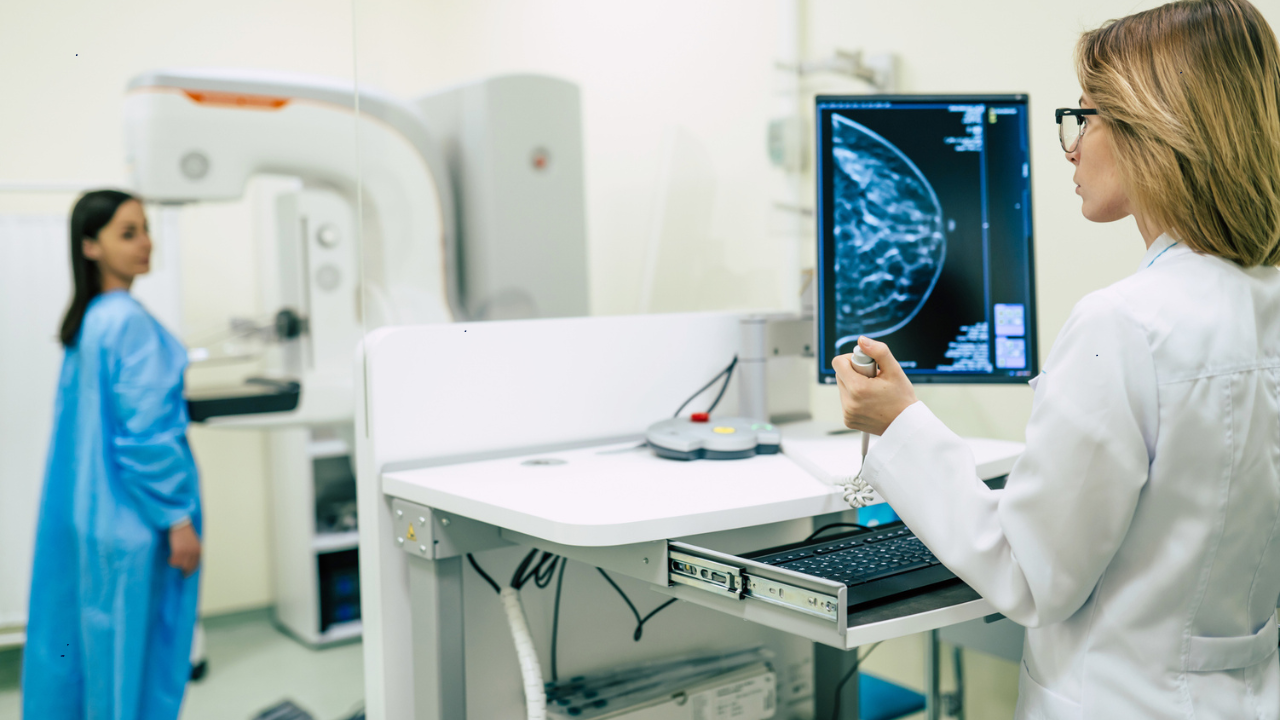
World Health Day serves as a reminder that regular preventive health check-ups stand as mandatory health assessments that all women need to undergo for their long-term health. Many serious conditions, such as breast cancer, cervical cancer, thyroid disorders, diabetes, and cardiovascular diseases, often remain silent in their early stages, making regular screening the most effective way to detect them early, when treatment is simpler, less invasive, and more successful. How Preventive Healthcare Can Help Women Preventive healthcare enables women to take a proactive role in managing their health rather than responding to illness at an advanced stage. Early detection not only improves clinical outcomes but also effectively decreases treatment difficulties, emotional distress and financial costs while providing superior long-term life quality. This also helps in identifying risk factors early, allowing timely lifestyle modifications that can prevent disease onset altogether. Despite this, women often deprioritize their own health due to the multiple roles they juggle, balancing careers, caregiving responsibilities, and family needs. There is also a continued hesitation around discussing reproductive and intimate health concerns, along with a lack of awareness, fear of diagnosis, and social stigma, all of which contribute to delays in seeking timely care. In many cases, women assume that the absence of symptoms indicates good health, which is a common but risky misconception.Importance Of Routine ScreeningRoutine screenings such as Pap smears for cervical health, regular breast examinations, mammography where indicated, thyroid function tests, and basic metabolic screenings like blood sugar and cholesterol levels are critical tools in preventive care. Periodic health check-ups also provide an opportunity for counselling on nutrition, mental well-being, hormonal health, and lifestyle management, areas that are often overlooked but equally important.World Health Day serves as a reminder to shift from a reactive to a preventive approach. Prioritizing regular health check-ups, normalizing conversations around women’s health, and encouraging a culture of self-care can significantly improve outcomes. Investing in preventive healthcare is one of the most powerful steps women can take towards leading healthier, longer, and more empowered lives.