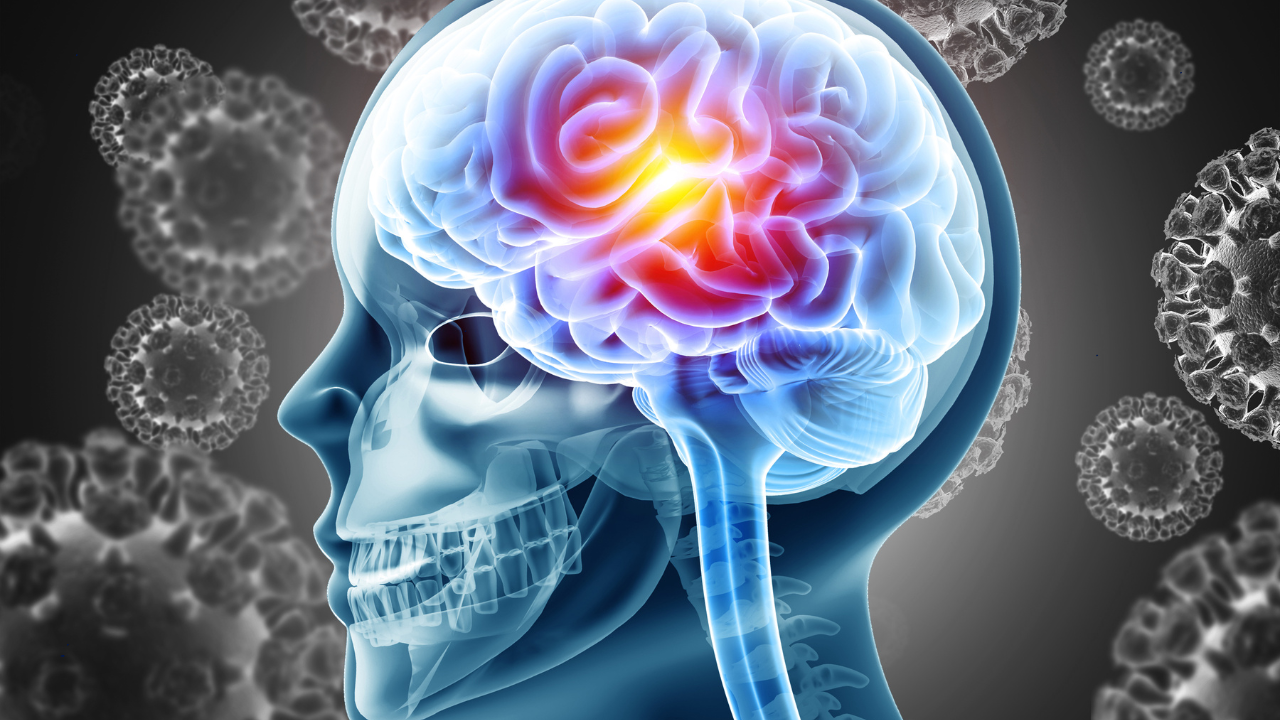
Modern lifestyle changes are contributing towards the rising neurological problems among young adults, said health experts today on World Health Day 2026. World Health Day is observed annually on April 7 to mark the founding day of the World Health Organization (WHO) in 1948 for public health worldwide. World Health Day 2026 will be observed under the theme “Together for health. Stand with science.” The health experts noted that conditions such as recurrent headaches, mild weakness, strokes, and spine disorders were traditionally more common among older adults. However, modern lifestyle changes—sedentary habits, unhealthy diets, chronic stress, and increased screen time—are now driving a surge of these neurological problems among younger populations. “The surge in neurological conditions today is not just a clinical challenge, but a reflection of how rapidly our lifestyles are evolving. We are seeing younger patients presenting with serious issues like stroke and spine disorders, conditions that were once more age-associated. This shift makes it imperative to recognize that neurological health is closely linked to everyday habits, stress, and timely medical attention,” Dr. Gaurav Sharma, Senior Consultant - Neurology, Paras Health Panchkula, told HealthandMe. Neurological Disorders: Silent OnsetThe health experts emphasized that the threat of neurological disorders is surging silently. The conditions, ranging from recurrent headaches and mild weakness to strokes and spine disorders, often show no noticeable symptoms in the early stage. As a result, these go unnoticed until advanced stages, which makes the role of early detection and preventive care more crucial. “Neurological disorders often progress silently, and by the time symptoms become severe, the condition may already be advanced. One of the biggest challenges we face today is the lack of awareness around subtle early signs, whether it is recurrent headaches, mild weakness, or persistent back issues, which are frequently overlooked or ignored,” Dr. Ritu Jha, Director & HOD - Neurology, Sarvodaya Hospital Sector -8, Faridabad, told HealthandMe. Health specialists stressed the need to boost early detection, preventive care, and lifestyle modifications to protect brain and nerve health. They called for changing the mindset from reactive to proactive care. Early identification of symptoms and prompt intervention can dramatically alter outcomes. They recommended: timely check-ups, awareness of warning signs, regular exercise, balanced nutrition, stress management. Advancement In Neurological Care With the progress in precision-driven and minimally invasive neurosurgery, we are now better equipped than ever to treat complex conditions effectively, provided patients seek care at the right time.“Today’s advanced surgical techniques allow us to operate with greater accuracy while minimizing trauma to the patient, leading to faster recovery and improved long-term outcomes. Bridging the gap between symptom onset and specialist consultation will be key to reducing the overall burden of these conditions,” Dr. Jha said. Over 7% Indians Engaging In Healthy Aging A nationwide survey conducted by Local Circles, a Delhi-based community platform and citizen pulse aggregator, for World Health Day 2026, found that more than 7.3 percent of Indians are actively working on slowing aging. The report showed that preventive healthcare has gained importance, and people are increasingly indulging in healthy practices such as lifestyle, diet, exercise, supplements, and therapy to ensure healthier, more active years. It noted that fitness trends such as yoga, strength training, and regular physical activity, along with balanced diets rich in antioxidants, are widely promoted to maintain physical health and vitality. Mental well-being practices, including meditation and stress management, are also being recognized as essential components of healthy aging.