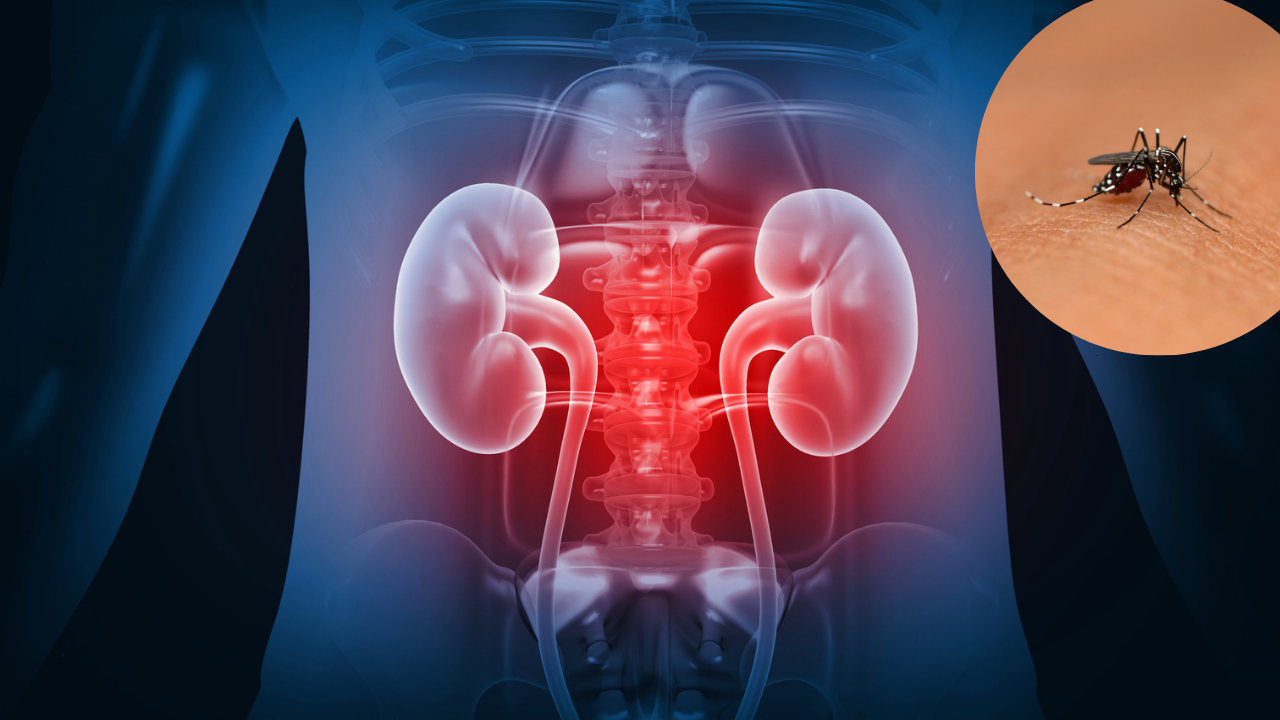
World Mosquito Day, observed on August 20, raises awareness about mosquito-borne diseases such as dengue, malaria, Zika, yellow fever, and chikungunya and the health risks they pose.Among these diseases, dengue remains a major public health concern, affecting people across regions worldwide throughout the year.Dengue Cases: The Latest NumbersGlobal: More than 1.5 million dengue cases and over 500 dengue-related deaths have been reported globally since the beginning of 2026, as of July 31.Americas: 1,373,756 cases had been reported as of epidemiological week 26, updated July 23. Of these, 28.9% were laboratory-confirmed, according to WHO PAHO.South-East Asia: WHO SEARO bulletins published in June and July reported dengue in Bangladesh, Bhutan, India, Maldives, Myanmar, Nepal, Sri Lanka, Thailand, and Timor-Leste since July 2025.India: 22,938 cases had been reported in 2026 as of June. June recorded 6,625 cases, up from 3,747 in May — a 77% increase.Also read: India’s First Approved Dengue Vaccine: Takeda’s QDENGA Protects Against All Four Virus SerotypesWhy Can Dengue Affect the Kidneys?Dengue is typically associated with high fever, joint pain, and low platelet counts. However, severe dengue can affect the kidneys and lead to acute kidney injury (AKI).Speaking to HealthandMe, nephrologists said kidney problems may not always cause symptoms early on, making monitoring particularly important in severe dengue.Dr. Anupam Roy, Additional Director - Nephrology and Kidney Transplant, Aakash Healthcare Multi-Speciality Hospital, Dwarka, said that recovering from dengue requires careful fluid management, particularly in severe cases.It is because the kidneys regulate fluids and electrolytes, and changes in circulation caused by dengue can temporarily disrupt their function.Fever, vomiting, and poor fluid intake can cause dehydration, while severe dengue can cause plasma leakage. Both too little and too much fluid can create problems, making medical supervision important. In hospital, healthcare professionals monitor urine output and signs of dehydration, particularly in patients with complications or underlying health conditions.After the acute phase, patients should gradually resume eating and drinking according to medical advice. Excessive fluid intake and self-medication should be avoided, particularly when medicines could place additional stress on the kidneys.“So, it is the quantity issue that must be tackled,” Dr. Roy said.Signs of Kidney ProblemsRead More: Dengue Serotypes Shifting In Young Adults: How India's Indigenous Vaccine Could Help Prevent Severe DiseaseAccording to Dr. Manoj Arora, Consultant Nephrologist, NephroPlus, a network of dialysis centers, warning signs include:Decreased urinationSwelling of the face or legsDark or foamy urineIncreased blood pressureUnusual tirednessNauseaBreathing problemsTea-colored urine may be concerning for rhabdomyolysis, in which muscle breakdown releases substances that can injure the kidneys.Some symptoms can overlap with severe dengue, including continuous vomiting, severe stomach pain, and bleeding.Who Is at Higher Risk?Kidney injury is more likely in people with severe dengue or shock. Older people and those with diabetes, hypertension, obesity, or existing kidney problems may also face higher risk.Seek medical attention for a drastic reduction in urine, new swelling, blood in the urine, worsening breathlessness, confusion, or continuous vomiting.In hospitalized patients, monitoring is important when creatinine rises, electrolyte levels fluctuate — particularly potassium — or urine output continues to change.How Can Kidney Damage Be Prevented?Early recognition and appropriate management are key. Doctors may monitor:Fluid balanceUrine outputKidney functionElectrolyte levelsPotentially harmful medicationsDo not self-medicate or increase fluid intake without medical advice, particularly during severe dengue.How to Reduce Your Risk of DengueReducing mosquito exposure and preventing mosquito breeding can help lower the risk of dengue.Eliminate stagnant waterUse mosquito repellentsUse bed netsKeep mosquitoes outWear protective clothingCheck your surroundings regularly.