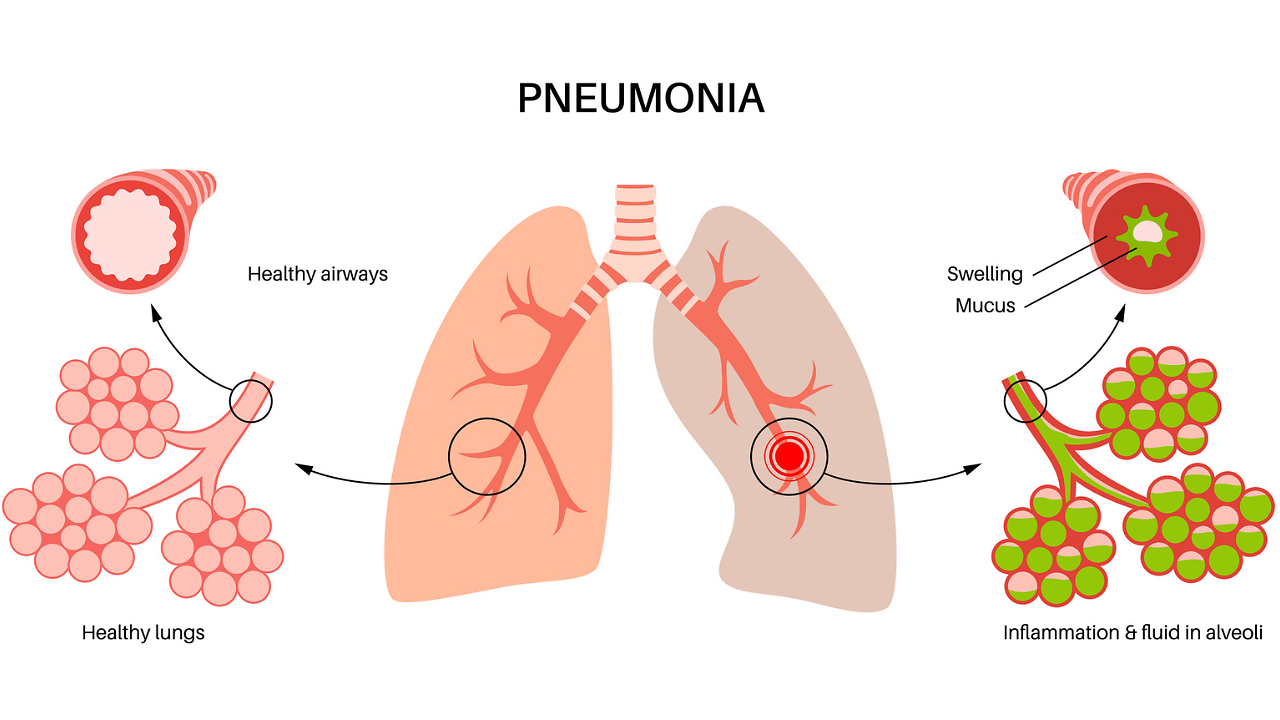
Young and older people are reporting persistent coughs and throat irritation following Diwali celebrations, with rising pollution levels, smog and exposure to firecracker emissions likely contributing to these symptoms.However, when these symptoms persist or worsen, they could sometimes signal a more serious respiratory infection, including pneumonia, experts warned on World Pneumonia Day, observed every year on November 12.Speaking to HealthandMe, Dr. Neelam H. Jain, Internal Medicine Specialist and Medical Educator at Apollo Hospitals, Bengaluru, said doctors' clinics tend to get swamped every November with patients who blame their lingering coughs entirely on post-Diwali smog."While particulate matter and fireworks residue certainly irritate airways, a cough that persists or worsens demands a closer look. Sometimes, what feels like seasonal irritation masks something more serious: pneumonia," she said.The deterioration in air quality after Diwali can particularly affect children, older adults and people with pre-existing lung conditions."Exposure to elevated levels of particulate matter (PM2.5 and PM10), along with toxic gases from firecrackers and vehicular emissions, can irritate the respiratory tract, trigger inflammation and worsen existing respiratory illnesses," Dr. Vikas Mittal, Director and Pulmonologist at CK Birla Hospital, Delhi, told HealthandMe.Also read: Delhi Pollution: Is Your Child's Cough Or Wheezing A Warning Sign? When Should Parents Worry?What Are The Warning Signs Of Pneumonia?Not every persistent cough indicates pneumonia. Exposure to firecracker emissions and poor air quality can cause airway irritation and inflammation. However, certain symptoms warrant medical attention.Dr. Jain said a cough that changes from dry to producing thick, green or rust-coloured phlegm, particularly when accompanied by persistent fever, chills and sharp chest pain while breathing deeply, requires further evaluation."Pneumonia inflames the air sacs in one or both lungs, filling them with fluid or pus," she said.Other symptoms that may indicate pneumonia include shortness of breath, fatigue and weakness. Older adults, children and people with underlying conditions such as asthma or chronic obstructive pulmonary disease (COPD) are particularly vulnerable to respiratory complications."If your post-Diwali cough lasts longer than two weeks, is accompanied by shortness of breath, or leaves you unusually fatigued, do not write it off as just bad air. Listen to your body and consult a doctor for an evaluation. Early diagnosis makes all the difference," Dr. Jain added.People experiencing breathlessness, chest pain or high fever should seek medical attention without waiting for two weeks.Can Air Pollution Increase The Risk Of Pneumonia?Persistent cough, throat irritation, wheezing, breathlessness and chest tightness are common symptoms of pollution-induced respiratory irritation.Dr. Mittal explained that air pollution does not directly cause pneumonia. However, it can impair the lungs' natural defence mechanisms, making people more susceptible to respiratory infections.It can also aggravate conditions such as asthma, bronchitis and COPD, potentially increasing the risk of complications.Read More: Dry Cough, Breathlessness May Not Always Be Asthma — Could It Be ILD?How To Protect Your Lungs During High Pollution LevelsDelhi's overall Air Quality Index (AQI) rose to 319 on November 12, placing it in the 'very poor' category. As of 6:30 am, 36 of the city's 58 air quality monitoring stations recorded AQI readings above 300.Dr. Mittal advised people to minimise outdoor exposure during periods of poor air quality and use well-fitted N95 masks when stepping outside.Other precautions include:Keep indoor spaces adequately ventilated.Avoid strenuous outdoor activities when pollution levels are high.Stay adequately hydrated.Seek timely medical advice if respiratory symptoms persist or worsen.What Is Pneumonia And How Can You Prevent It? Pneumonia is an infection that causes inflammation in one or both lungs. It can be caused by bacteria, viruses or fungi. The infection causes the air sacs in the lungs, called alveoli, to fill with fluid or pus, making breathing difficult.It can range from mild to life-threatening, particularly among young children, older adults and people with weakened immune systems. Some forms can also spread through respiratory droplets.Measures to reduce the risk of pneumonia include:Vaccination: Get vaccinated against influenza, pneumococcal infections and COVID-19, as recommended by a healthcare professional.Good hygiene: Wash your hands regularly with soap and water to reduce the spread of germs.Healthy lifestyle: Maintain a balanced diet, exercise regularly and get adequate rest.Avoid smoking: Smoking can damage the lungs' natural defences against infections.