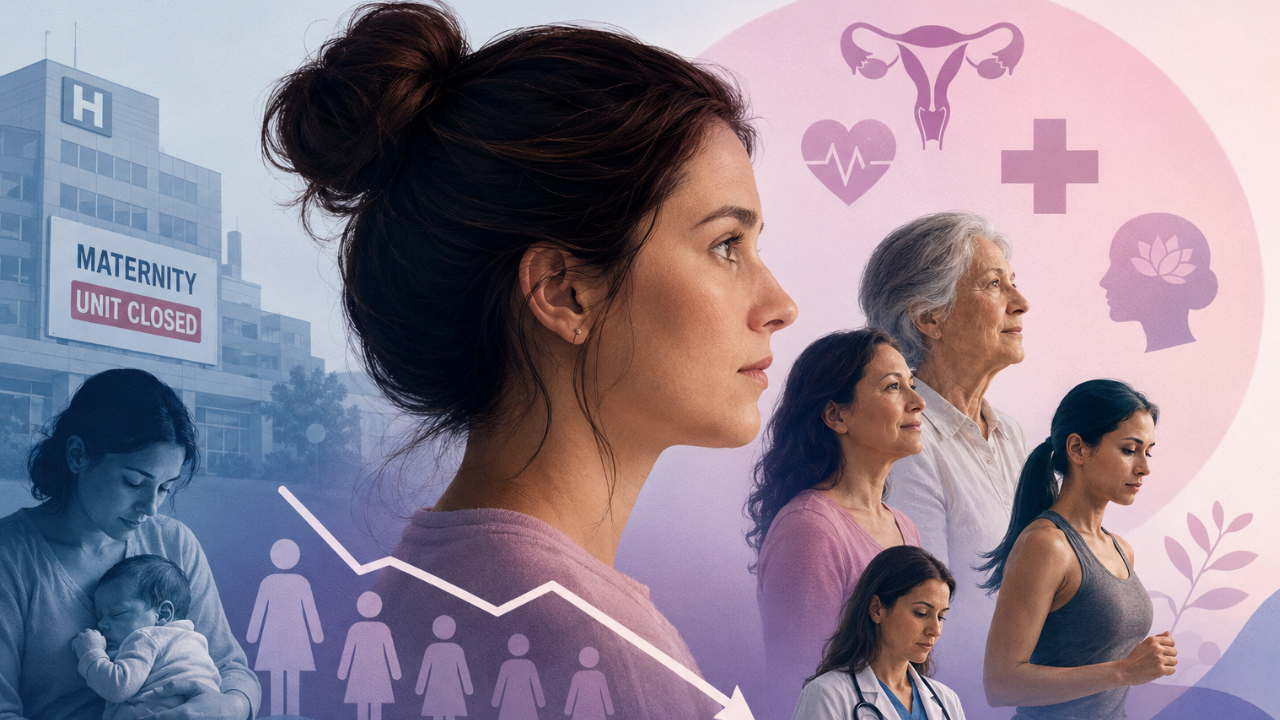
America's falling birth rate is often reported with concerns like shortage of labour, a growing aging population, and slower population growth. But another major consequence is unfolding within the healthcare system that is going unnoticed. As fewer women have children and more delay pregnancy, women's healthcare is evolving beyond maternity care to address changing health needs. The U.S. Birth Rate Is DecliningAccording to the latest data from the U.S. Centers for Disease Control and Prevention (CDC), 3.63 million babies were born in the United States in 2024, a slight increase from 2023. However, the general fertility rate fell to a record-low 53.8 births per 1,000 women aged 15 to 44, marking the lowest level ever recorded. Birth rates declined among women aged 15 to 34, remained stable for those aged 35 to 39, and increased only slightly among women aged 40 to 44, reflecting the ongoing trend of delayed motherhood. This demographic shift is beginning to reshape the landscape of women’s healthcare in the US. Women’s Healthcare Is Evolving In The US One of the biggest changes is maternity care. With fewer births being reported, hospitals, particularly in rural communities, are struggling to keep labour and delivery departments financially viable. The problem has contributed to the rise of a maternity care challenge where pregnant women have limited or no access to obstetric services. The 2024 March of Dimes Maternity Care Deserts Report found that more than one in three U.S. counties lack a single obstetric clinician or birthing facility, leaving millions of women with reduced access to prenatal and delivery care. Women living in these areas are more likely to receive inadequate prenatal care and experience higher rates of preterm birth.Also read: Beyond The Bump: Why Preconceptions And Antenatal Care Are Key To A Healthy Pregnancy Healthcare Focus Beyond Pregnancy At the same time, healthcare providers are broadening their focus beyond pregnancy. Women today are delaying childbirth, having fewer children, or choosing not to become parents altogether. As life expectancy increases, demand is growing for services related to menopause, cardiovascular disease, osteoporosis, pelvic floor disorders, mental health, and healthy aging. The shift also explains why fertility care is expanding despite declining birth rates. As more Americans postpone parenthood into their late 30s and 40s, many require fertility evaluations, egg freezing, or in vitro fertilization (IVF). Rather than indicating more births, the growing use of assisted reproductive technology reflects changing reproductive timelines. Management Of Chronic Lifestyle Disorders An aging female population is also changing healthcare priorities. Older women face a higher risk of chronic diseases such as heart disease, diabetes, osteoporosis, and dementia, increasing the need for preventive care and long-term disease management. Health systems are investing more in menopause clinics, wellness programs, and other women's health services. America's falling birth rate is therefore reshaping far more than population statistics. It is redefining women's healthcare, shifting the focus from pregnancy-related care to comprehensive support throughout every stage of life. On World Population Day, the conversation is not just about how many babies are being born. It is also about ensuring that healthcare evolves to meet the changing needs of women, whether or not they choose to become mothers.