
- Health Conditions A-Z
- Health & Wellness
- Nutrition
- Fitness
- Health News
- Ayurveda
- Videos
- Medicine A-Z
- Parenting
Zepbound Vs. Wegovy: Which Is Better for Weight Loss?

Weight Loss Drugs (Credit: Canva)
The weight loss market has expanded astronomically in the last few years. One particular product that has outshined all others are weight loss drugs. From brand-name treatments to compounded drugs, each option promises to help shed pounds. However, this has baffled consumers looking for the most efficient treatment amongst these.
While the question is still unanswered, a recent head-to-head comparison of Zepbound and Wegovy has made the decision slightly clearer. For the uninitiated, both Zepbound (tirzepatide) and Wegovy (semaglutide) are weight loss drugs. They target
hormones that influence metabolism and appetite, but they operate through different mechanisms. The trials found out that Zepbound led to an average weight loss of 20.2%, compared to 13.7% with Wegovy.
Zepbound is a dual agonist, targeting both GLP-1 (glucagon-like peptide-1) and GIP (glucose-dependent insulinotropic polypeptide) receptors. This dual-action approach activates two pathways that amplify insulin secretion, slow gastric emptying, and reduce appetite, ultimately aiding in weight loss. Intresitngly, this drug was linked ot other benefits besides weight loss. Research has found that Zepbound may also offer additional health benefits, including improved cardiovascular health and potential effects on obstructive sleep apnea.
Wegovy, on the other hand, acts as a mono GLP-1 receptor agonist. By mimicking the GLP-1 hormone, it helps regulate appetite and slows digestion. In addition to weight loss, Wegovy has demonstrated cardiovascular benefits, reducing the risk of major adverse cardiovascular events in overweight or obese patients with heart disease.
Effectiveness: Wegovy vs Zapbound
The results of the clinical trials were published on Dec 4. It showed that participants taking Zepbound lost an average of 50.3 lbs, compared to 33.1 lbs with Wegovy. Moreover, nearly 32% of those on Zepbound achieved at least a 25% reduction in body weight, while only 16.1% of Wegovy users reached this milestone.However, the efficacy of these medicines are variable for different individual. Health experts have repeatedly cautioned that individual responses to each medication can differ. Factors such as medical history and body composition play a role in how well a person responds to these medications, so one may be more effective than the other for certain individuals.
Side Effects: What to Expect
Like many medications, both Zepbound and Wegovy may cause gastrointestinal side effects, including nausea, upset stomach, vomiting, and bowel issues. Dr Sajan notes that while side effects usually improve over time, they can vary greatly between individuals. Some anecdotal evidence suggests Zepbound may cause slightly higher rates of discomfort due to its dual receptor action, but this also depends on the individual. Starting with a lower dose and gradually increasing can help reduce side effects for both drugs.Cost and AccessibilityThe cost of Zepbound and Wegovy can be a barrier for some patients. Wegovy is priced at approximately $1,349 per month, while Zepbound costs around $1,060 per month without insurance. Insurance coverage and affordability vary, but some patients may be eligible for coverage or patient assistance programs.
Which Weight Loss Medication Is Right for You?
Ultimately, the decision between Zepbound and Wegovy comes down to individual health profiles and treatment goals. Both are effective, but the choice depends on factors such as comorbidities, cost, and personal preferences. Consulting with a healthcare provider is crucial to determining the best option for your weight loss journey.Prince William Urges Men To Voice Out Emotional Struggles

Royal.uk/
William, the Prince of Wales, has yet again voiced out concerns about mental health in males, which is often a neglected topic. He also opened up about his emotional struggles and urged men to speak out to normalize the issue.
Speaking to BBC Radio 1, William said it has taken a " long time” for him to understand his “emotions”.
"Learn to love yourself and understand yourself. I take a long time trying to understand my emotions and why I feel like I do, and I feel like that's a really important process to do every now and again, to check in with yourself and work out why you're feeling like you do," said the Prince of Wales.
He emphasized the "need for more male role models" who can speak about their mental health publicly.
"We need more male role models out there, talking about it and normalizing it, so that it becomes second nature to all of us."
"It's OK to ask for support, ask a mate, reach out," said William.
It is not the first time that the Prince has spoken about mental health. Earlier, he stated that people must "relax a little bit and be able to talk about our emotions because we're not robots".
Men And Mental Health
Compared to women, men are known to be less likely to seek help for mental health issues. Driven by stigma, reluctance to seek help, and societal pressures regarding masculinity, men are also more likely to die by suicide.
As per a recent study by The Institute for Health Metrics and Evaluation, University of Washington, US, males die from suicide at twice the rate of females. Their attempts also result in death three times more often than female attempts.
A 2020 paper by the World Health Organization (WHO) identified self-reliance, difficulty in expressing emotions, and self-control as the key sociocultural barriers to men’s help-seeking about masculinity norms.
The National Institute of Mental Health attributed genes, a family history of depression, environmental stress, including financial problems, the loss of a loved one, work problems, a difficult relationship, a major life change, or a stressful situation as major reasons for a decline in mental health in men. Medical conditions like diabetes, heart disease, or cancer are also known to raise the risk of depression in men.
Further, substance use, loneliness, and shame are also contributing factors to the elevated suicide rates among men.
While men and women develop most of the same mental disorders, their symptoms may be different. Some common symptoms among men include:
Anger, irritability, or aggressiveness
Prominent changes in mood, energy level, or appetite
Difficulty sleeping or sleeping too much
Difficulty concentrating, feeling restless, or on edge
Misuse of alcohol, drugs, or both
Experts Warn Why You Should Pay Attention To Baby Food Labels
Credit: My Pedia Clinic
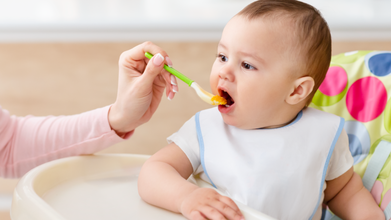
Many packaged baby foods marketed as healthy may contain hidden sugars and ultra-processed ingredients that can shape a child’s taste preferences and long-term health.
Brightly packaged baby cereals, fruit pouches, snack puffs and flavored yoghurts use “natural”, “organic” and “doctor recommended” labels to advertise their nutritional value and reassure parents.
“What shocked me was the top ingredient in 71% of these baby foods wasn’t a fruit or vegetable, it was one or more additives,” said Dunford, who is also a consultant at The George Institute for Global Health.
However, packaged baby food is instead packed with artificial additives and highly processed components such as carrageenan, xanthan and guar gum.
Why Ultra Processed Baby Foods?
The majority of packaged baby foods are classified as ultraprocessed because they undergo extensive industrial manufacturing and contain ingredients rarely found in a home kitchen.
Rather than using whole, simple foods, many manufacturers rely on heavy processing steps that strip away natural nutrients.
Key Indicators of Ultra Processed Food
Refined Bases: Many ready-to-eat snacks, like puffs, use refined starches and flours as their primary ingredients instead of whole grains.
Not Real Whole Fruit: Many brands often claim whole fruit however; they only provide taste and sweetness without the beneficial fiber and nutrients of the original fruit.
Hidden Sugars and Fillers: Products like flavored cereals frequently contain maltodextrin, added sugars and flavor enhancers to improve palatability.
Industrial Additives: To ensure shelf stability and consistent texture, these foods are often loaded with stabilizers, preservatives, and emulsifiers.
Which Additives That Parents Should Know About?
Even when a product claims to have "no added sugar," it can still be packed with sweeteners. Manufacturers frequently use fruit juice concentrates, corn syrup solids and glucose-based ingredients to enhance flavor.
These concentrated sugars train a baby’s developing palate. Early exposure to intense sweetness can create a lifelong preference for sugary foods, increasing the risk of poor dietary habits in adulthood.
2. "Natural Flavors"
The term "natural flavor" is often misunderstood. While the origin of the flavor must be a natural source, the final additive is often heavily modified in a laboratory.
These substances are engineered to make processed food taste more appealing than it naturally would, which can distort a child's appreciation for the taste of whole, fresh foods.
3. Stabilizers and Gums
To ensure a product looks perfect after sitting on a shelf for months, companies add stabilizers and industrial gums.
These additives create a permanent, uniform texture that prevents the food from separating or changing consistency during storage.
How To know If Baby Food Is Ultra Processed?
Check first three ingredients: Ingredients are listed by weight. If refined flour, fruit concentrates, or syrups appear in the top three, the product is highly processed.Hidden sweeteners: Sweeteners like dextrose, glucose syrup, malt extract, and corn solids are just fancy names for Sugar.
Go For Shorter lists: Avoid long lists of chemical sounding names.
Why Does Early Nutrition Matter?
Critical Development Window: Infancy is the primary period for both physical growth and brain maturity.Nutritious food: Babies require high nourished foods high in vitamins, minerals, healthy fats, and proteins rather than just calories.
Freshness: Fresh consistently provide higher levels of essential nutrients compared to any packaged or processed product.
Palate Programming: This stage establishes a child’s lifelong food habits. Processed baby foods can systematically eliminate whole food choices by training the child to prefer artificial textures and flavors.
Adulthood: Early nutrition is a key pillar of foundational health; the quality of food a baby eats now sets the biological template for their health in adulthood.
How To Give Baby Nutritional Food?
Homemade food: Cooking at home allows for complete management of every ingredient, ensuring no hidden additives or preservatives enter your baby's diet.Natural Choices: Simple combinations such as mashed fruits, steamed vegetables, dal, khichdi, and curd provide essential nutrients without artificial components.
Minimal Processing: If buying packaged, choose single-ingredient products, plain vegetable purees or unsweetened cereals to avoid hidden flavors.
NOTE: A shorter ingredient list is always the safest and healthiest choice for your child.
Experts Claim Men Can Also Develop Endometriosis, Here's Why

Credit: Freepik
Endometriosis is traditionally defined by the presence of tissue similar to the lining of the uterus, the endometrium growing in locations where it doesn't belong, such as the fallopian tubes, ovaries and pelvic cavity.
Since this tissue is hormonally responsive, it bleeds and causes inflammation during a menstrual cycle.
While experts have long categorized this as a condition solely affecting women, rare clinical cases have shattered this assumption and revealed that the biological blueprint for endometriosis exists in the male body
as well.
What Causes Endometriosis?
There is no exact cause of endometriosis, but possible causes include:- Retrograde menstruation: Fallopian tubes and into the pelvic cavity instead of out of the body. These cells may stick themselves to the inner pelvic lining and organs from where they multiply.
- Transformed peritoneal cells. Hormones or immune factors might transform cells that line the inner side of the abdomen, called peritoneal cells, into cells that are like those that line the inside of the uterus.
- Embryonic cell changes. Hormones such as estrogen may transform embryonic cells in the earliest stages of development into endometrial-like cell growths during puberty.
- Surgical scar complication. Endometrial cells may attach to scar tissue from a cut made during surgery to the stomach area, such as a C-section.
- Endometrial cell transport. The blood vessels or tissue fluid system may move endometrial cells to other parts of the body.
- Immune system condition. A problem with the immune system may make the body unable to recognize and destroy endometriosis tissue.
What Are Symptoms Of Endometriosis?
- Severe Abdominal Pain
- Bloating
- Painful periods
- Pain with sex
- Pain with bowel movements or urination.
- Excessive bleeding
- Infertility
- Fatigue
- Diarrhea
- Constipation
- Nausea
How Does Endometriosis Develop In Men?
When fertilization occurs, both sexes develop Müllerian Ducts. These ducts are paired tubes that grow into female reproductive organs early in fetal development.They help in the formation of the uterus, cervix, fallopian tubes and upper vagina. However, men develop the Anti Mullerian Hormone, also known as AMH which regresses the formation of these ducts.
Men can develop the ducts when exposed to estrogen. Typically, those who are undergoing prostate cancer treatment, hormone replacement therapy or suffering from obesity take estrogen.
Consistent exposure to estrogen can actually transform those inactive cells or remnants of Mullerian Ducts into endometriosis tissues and pave the way for the development of the disease.
How Common Is Endometriosis?
A study reveals that nearly 43 million women globally, out of which, nearly 10 percent of Indian women suffer from endometriosis.While the disease is almost diagnosed in women, documented cases in men confirm that they hold the biological potential to develop endometriosis.
- Follow Us :


© 2024 Bennett, Coleman & Company Limited