
- Health Conditions A-Z
- Health & Wellness
- Nutrition
- Fitness
- Health News
- Ayurveda
- Videos
- Medicine A-Z
- Parenting
5 Best Ayurvedic Herbs That Are Natural Cleansers For Your Body
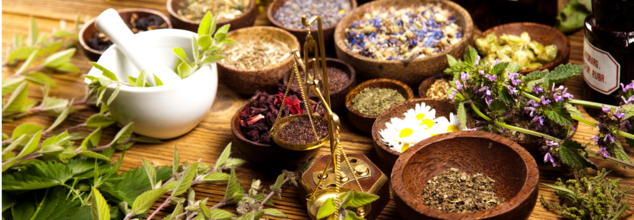
Ayurvedic Herbs for Detox
Ayurveda is a 5000 year old science that offers abundance of knowledge and wisdom on natural foods, herbs and cleansers to detoxify our body. Natural herbs plays a powerful role in cleansing the body of toxins and preparing the body for detoxification. It helps enhance digestion, metabolism, immunity and supports bodily functions. It helps purify the body and thus allows you to become the healthiest version of yourself.
Here are five of the best Ayurvedic herbs recognized for their natural cleansing properties.
1. Tulsi (Holy Basil)
Tulsi, also called as Holy Basil, has numerous health benefits. It has an amazing aroma used in making teas, and is a powerhouse of anti-oxidants. It helps in detoxification, helps purify the blood and improves liver function. Tulsi is rich in antioxidants which helps fight oxidative stress and inflammation in the body. It is excellent ingredient in your daily chai, as helps boost immunity. It helps maintain the body and cleanses the system.
It also supports respiratory health, improves mental clarity and emotional well-being. In traditional homes, Tulsi was the first herb consumed on an empty stomach in the mornings after a bath and prayer.
2. Neem
Another staple in Indian homes, neem is used for detoxifying and deworming the body. it is a potent herb that is called as "village pharmacy." Be it pimples and acne, impurities in the blood and liver, neem works as an excellent purifying agent cleansing the body of toxins and unhealthy bacteria. Neem has antibacterial, antifungal, and antiviral properties which makes it very effective against a wide range of infection.
It helps remove toxins from the body while supporting liver health and improving digestion. It can also be beneficial for skin conditions like acne and eczema due to its purifying properties.
Neem leaves can be boiled to make a herbal tea or consumed in powdered form for internal cleansing. Its bitter taste may be an acquired one, but the health benefits are undeniable.
3. Triphala
It is a traditional Ayurvedic formulation made from three fruits: Amalaki (Indian gooseberry), Bibhitaki (Terminalia bellirica), and Haritaki (Terminalia chebula). This powerful combination is renowned for its digestive benefits and is often used as a natural cleanser. Triphala promotes regular bowel movements, detoxifies the digestive tract, and supports liver function.
It helps balance all three doshas (Vata, Pitta, Kapha), making it suitable for various body types. Triphala can be taken in powdered form mixed with warm water or honey before bedtime to enhance digestion and promote detoxification overnight.
4. Ginger
It is widely used spice with significant medicinal properties that make it an excellent natural cleanser. Known for its ability to aid digestion, ginger helps stimulate digestive enzymes and improve nutrient absorption. It also has thermogenic properties that promote sweating, which aids in detoxification.
In addition to its digestive benefits, ginger has anti-inflammatory properties that support overall health and may help alleviate nausea and digestive discomfort. Fresh ginger can be consumed as tea or added to meals for flavor and health benefits. Incorporating ginger into your daily routine can significantly enhance your body's natural cleansing processes.
5. Turmeric
Turmeric, a vibrant yellow spice derived from the Curcuma longa plant, is renowned for its numerous health benefits, primarily due to its active compound, curcumin. Known for its powerful anti-inflammatory and antioxidant properties, turmeric can help alleviate symptoms of arthritis, improve digestive health, and support heart health by enhancing endothelial function.
Additionally, emerging research suggests that curcumin may play a role in cancer prevention and cognitive enhancement by increasing levels of brain-derived neurotrophic factor (BDNF). Incorporating turmeric into your diet can be a flavorful way to promote overall well-being.
Incorporating these five Ayurvedic herbs—Tulsi, Neem, Triphala, Ginger, and turmeric—into your daily routine can significantly support your body’s natural cleansing processes.
Each herb offers unique benefits that contribute to overall well-being while promoting detoxification and enhancing digestive health. Embrace these natural remedies as part of a holistic approach to maintaining your health and vitality!
Superfood Chia Seeds Can Also Be Risky For Some, Know Who They Are
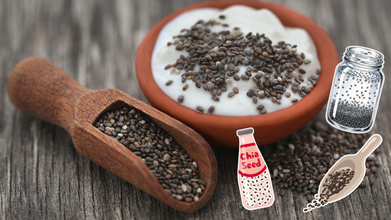
Credits: iStock/Canva
Chia seeds, a superfood as we all know and have a number of benefits, however, if not taken properly, it can increase risks and could worsen your health, says Dr Shubham Vatsya, a gastroenterologist, and hepatologist at Fortis Vasant Kunj. He is known for making health related content on his Instagram page, targeting foods and habits that impact gut health, liver, and more.
In one of the videos which garnered over one million views, he talks about the risk of chia seeds. The video is titled 'Chia Seeds Are Not For Everyone".
What Are The Risks Of Consuming Chia Seeds?
Dr Vatsya points out that if chia seeds are consumed without knowing how your body works and without proper hydration, it could worsen your health.
Talking about who should be more careful before making chia seeds part of their diets? He gives four instances:
People With Low Blood Pressure Should Avoid Chia Seeds
He says many people, especially many women have low blood pressure and they may have included chia seeds in their diet without knowing much about it. Why does this happen? Chia seeds contain quercetin, which is an antioxidant and it could reduce your risk of several health condition, including heart diseases. However, points out Dr Vatsya, it is high in fiber, which could further lower your blood pressure. If you already have a low blood pressure, this could cause you a health risk.
People Who Are On Blood Thinning Medicines Should Avoid Chia Seeds
Doctor says that people who are on blood thinning medicines like aspirin, especially after a heart stent, may be at risk. Why? Because chia seeds can have a blood thinning effect due to its omega-3 fatty acids content. This can increase bleeding risk. So, people on prescription blood thinners or anticoagulants like warfarin or aspirin, must avoid it.
Hydration Is Must
Chia seeds are high in fiber, which is why it is important to maintain enough hydration. What happens if you do not keep yourself hydrated enough?
Chia Seeds Could Upset Your Stomach
While getting enough fiber helps prevent and manage constipation, however, the doctor points out consuming significant amounts of fiber can cause digestive issues like gas, bloating, and abdominal pain, if not hydrated.
Hydration is the key, this is what supports bowel movement regularity and prevent any adverse effects. Furthermore, one should always add fiber to their diet in small amounts and gradually.
Read: Hair Loss In Men: Is It Related To Sweetened Drinks?
Chia Seeds Could Worsen Your Kidney Problem
Lastly, the doctor says that while chia seeds are healthy, but individuals with chronic kidney disease must be careful while consuming.
Chia seeds are rich in potassium and phosphorous. In per 2.5 tablespoon of serving, it contains 115 mg of potassium and 244 mg of phosphorous. Both these nutrients are closely monitored in people with kidney disease. Chia seeds are also high in oxalate, which can attach to calcium to form kidney stones. This is why it is important to maintain your hydration while consuming chia seeds.
Note: This is a user-generated content via Dr. Shubham Vatsya. Health and Me does not take responsibility of the content. Always consult a registered nutritionist or dietitian and your doctor before making changes to your diet.
Hair Loss In Men: Is It Related To Sweetened Drinks?

Credits: iStock/Canva
Hair loss in men is often blamed on genetics, age, or stress. But as lifestyle-linked health problems grow, doctors are taking a closer look at everyday dietary habits, including the regular consumption of sugar-sweetened beverages. While these drinks are not a direct cause of baldness, emerging evidence suggests they may quietly worsen hair loss in men who are already genetically predisposed.
“Hair loss is rarely caused by a single factor,” says Dr. Vineet Malhotra, Head of Urology and Director at VNA Hospital. “But excessive sugar intake can act as an important trigger, especially in men prone to androgenetic alopecia.”
How Sugary Drinks Disrupt Hormones Linked to Hair Loss
Sugar-sweetened beverages such as sodas, packaged fruit juices, energy drinks, and sweetened teas cause a rapid spike in blood glucose levels. To manage this surge, the body releases insulin. When this happens repeatedly over time, it can lead to insulin resistance.
“Chronic insulin resistance is known to disturb hormonal balance,” explains Dr. Malhotra. “It can increase circulating androgens and speed up the conversion of testosterone into dihydrotestosterone, or DHT.”
DHT is the hormone most strongly associated with male pattern baldness. Higher levels of DHT cause hair follicles to shrink, shorten the hair growth cycle, and gradually turn thick hair into finer, weaker strands.
The Inflammation Link: Why the Scalp Suffers
High sugar intake is also closely tied to low-grade systemic inflammation. While this inflammation may not be immediately noticeable, it affects blood vessels throughout the body, including the tiny capillaries that supply oxygen and nutrients to hair follicles.
“When microcirculation is compromised, follicles do not receive adequate nourishment,” says Dr. Malhotra. “This can slow hair growth and increase hair shedding.”
Inflammation can also push hair follicles out of the growth phase and into the resting phase prematurely. The result is often diffuse thinning rather than patchy bald spots, something many men notice before visible hair loss becomes obvious.
Metabolic Health, Gut Health, and Nutrient Deficiencies
Frequent consumption of sugary drinks is linked to weight gain, fatty liver, and metabolic syndrome, all of which can disrupt hormonal balance. Poor metabolic health can alter cortisol levels and insulin-like growth factors, both of which influence how hair follicles function.
Equally important is what high-sugar diets tend to replace. “Men who consume a lot of sugary drinks often miss out on nutrient-dense foods,” Dr. Malhotra notes. This increases the risk of deficiencies in zinc, iron, biotin, protein, and other nutrients essential for healthy hair structure and growth.
What Studies Are Showing So Far
Recent observational studies have found a higher prevalence of early-onset hair loss in young men who consume sugar-sweetened beverages daily compared to those who drink them occasionally. While these studies do not prove a direct cause-and-effect relationship, the association is strong enough to raise concern.
“The impact appears more pronounced in men with a family history of baldness,” says Dr. Malhotra. “In such cases, diet may accelerate hair loss rather than initiate it.”
Sugar Is Not the Only Culprit, But It Matters
It is important to note that sugary drinks alone do not cause hair loss. However, when combined with genetic susceptibility, high stress, poor sleep, smoking, and physical inactivity, excessive sugar intake can significantly worsen scalp health and hair thinning.
Reducing sugar-sweetened beverages, improving overall diet quality, maintaining stable blood sugar levels, and supporting metabolic health may help slow hair loss and promote healthier hair over time.
Why Doctors Are Now Asking About Diet
In clinical practice, men presenting with unexplained or rapidly worsening hair loss are increasingly being asked about their dietary habits, alongside hormonal and nutritional evaluations.
“Cutting back on sugar-sweetened drinks benefits the heart and metabolism,” Dr. Malhotra says. “But it may also offer long-term support for hair health, especially in men at risk of early hair loss.”
While genetics may set the stage, everyday choices often decide how quickly the story unfolds.
Soup Debate: Chicken Or Tomato? A Dietitian Finally Answers Which One Is Healthier

Credits: Canva
Soup debate between chicken and tomato may have come to an end, with a dietitian telling us which one is the healthier option. For many Americans, January is the National Soup Month, which means they go back to their comfort and easy to make food like soup. With the surge in flu activity in the US, people are consuming soup to get relief. Amid all this, Vandana Sheth, a plant-based dietitian and a diabetes expert tells Fox News the better option. The California-based dietitian says that both soups could be comforting. However, she points out, the nutrition profiles could vary based on the preparation.
Chicken Soup Vs Tomato Soup
Soup's nutrition profile runs through a spectrum of healthy to fatty and caloric. "Choose versions with no added sugars, minimal saturated fat and lower sodium to keep them healthy. When able, enjoy homemade or minimally processed options with fresh vegetables, lean protein and other fiber-rich options," she said.
Also Read: NHS England Expands Access To Life Saving Prostate Cancer Drug
What Is In A Chicken Soup?
Michelle Routhenstein, a New York-based cardiologist, as reported by Fox News, said a standard serving size of chicken noodle soup, which is around one cup, usually contains somewhere around 100 to 150 calories, with 6 to 10 grams of protein, and 500 to more than 1500 milligrams of sodium.
However, Routhenstein also says that homemade chicken soup could also provide lean protein, B vitamins, and immune supporting zinc. There have been studies that show that chicken soup have eased many from their cold symptoms, like nasal congestion and anti-inflammatory effects. However, not all chicken soups are safe. Commercially prepared soups may have a higher level in sodium, which could have a negative impact on blood pressure.
What Should One Keep In Mind?
When buying chicken soup, one should always check labels for its sodium content and ensure it must be under 500 milligrams per servings. Sheth also suggests looking out for added sugars and flavors. Sheth also said if the soup is made with lean chicken, vegetables and has a light broth, it can by more nutrient rich. She also recommends to avoid cream-based broth, which could be higher in saturated fat.
What Is In A Tomato Soup?
Tomato soups have a completely different nutrition profile. "Per 1 cup serving, you will get 70–150 calories depending on [whether] it's broth-based or cream-based, lycopene and vitamins A and C, which can help support eye health and immunity," Sheth said. The sodium content could be lower than in chicken soup, somewhere between 400 to 900 milligrams, especially in canned versions.
Sheth said that when compared to chicken soup, tomato soup trails on protein scale. While Routhenstein highlighted lycopene, as one of the biggest benefits of tomato soup. It is an antioxidant that "may help with reducing inflammation, heart disease and immune health".
"Lycopene has also been studied for its benefit [in reducing the] risk of prostate cancer. Tomato soup is also rich in vitamin C and potassium, which also protect heart and immune health," she added.
Which Soup Is Better?
Routhenstein says for her, it is tomato soup, because of antioxidant content. However, when it comes to protein and keeping you full, Sheth says chicken soup is a better option.
- Follow Us :


© 2024 Bennett, Coleman & Company Limited