
- Health Conditions A-Z
- Health & Wellness
- Nutrition
- Fitness
- Health News
- Ayurveda
- Videos
- Medicine A-Z
- Parenting
After 50, Your Body Steals Magnesium From Bones, Says Neuroscientist
Credits: Canva
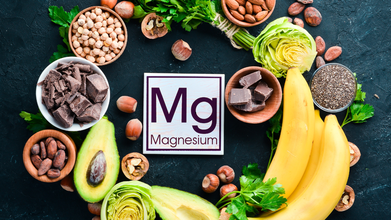
Magnesium has become one of the most talked-about nutrients in the supplement space, especially among people looking to improve sleep, reduce stress, and support brain health. While experts consistently stress that magnesium-rich foods should be the first line of defense, supplements are often recommended when dietary intake falls short, provided they are taken after consulting a doctor.
Magnesium plays a critical role in brain function and overall health. It is involved in more than 300 enzymatic processes in the body, influencing everything from nerve signalling and muscle function to bone strength and sleep regulation. But not all magnesium supplements are the same, and choosing the wrong form could mean wasting money or dealing with unwanted side effects.
In an Instagram video published on February 2, neuroscientist Robert WB Love, who focuses on brain health and Alzheimer’s disease prevention, explained the differences between commonly available forms of magnesium. He also stressed why women above 50, in particular, should take magnesium intake seriously.
Why magnesium matters, especially for women over 50
According to Love, magnesium is essential for maintaining a healthy brain and body. He warned that when the body does not get enough magnesium through food or supplements, it compensates by pulling magnesium from the bones.
“Women over 50, listen up,” he said in the video. “If you don’t eat enough magnesium-rich foods or take a magnesium supplement to get the right amount, your body will literally steal magnesium from your bones to use in vital processes throughout the body.”
This, he explained, is why consistent magnesium intake is not just important for brain health but also for protecting bone strength as women age. Ensuring adequate magnesium through diet and supplementation can help support both cognitive function and skeletal health.
Magnesium citrate: Common but not ideal
Magnesium citrate is one of the most widely available forms, largely because it is inexpensive. However, Love described it as a low-quality option for brain health.
“It’s hard to absorb and can upset your stomach,” he explained, adding that many people experience digestive discomfort after taking it. Because of its poor absorption, magnesium citrate may not deliver meaningful benefits to the brain, making it a less effective choice overall.
Magnesium glycinate: Gentle and effective
Magnesium glycinate, according to the neuroscientist, is one of the better options available. It is well absorbed, gentle on the stomach, and beneficial for the brain and the rest of the body.
He also highlighted its positive impact on sleep and stress levels. Many people report sleeping better when they take magnesium glycinate before bedtime, making it a popular choice for those struggling with restlessness or anxiety.
Magnesium threonate: Best for the brain
Magnesium threonate stands out because of its ability to cross the blood-brain barrier. Love explained that this allows it to directly enter the brain, making it the most potent form for cognitive health.
However, it is more expensive and harder to find than other forms. Despite this, he noted that both magnesium threonate and magnesium glycinate are excellent options for brain support.
Magnesium taurate: The underrated option
Love also pointed to magnesium taurate, a form that does not get much attention. According to him, it is particularly beneficial for heart health.
“What’s good for your heart is good for your brain,” he emphasised, suggesting that magnesium taurate may offer indirect brain benefits by supporting cardiovascular function.
The Oats Way Out: Study Says Eating THIS Much Daily Can Reduce Bad Cholesterol

Oats are great for heart health management and overall wellbeing. (Photo credit: iStock)
Oats for breakfast are a go-to choice for many health enthusiasts. Celebrities often turn to this source of complex carbohydrates to kick-start their day—but research suggests some health benefits of this breakfast food that are often overlooked. According to a study by the University of Bonn, eating oats for just two days can help reduce cholesterol levels naturally, and the benefits can last for weeks afterwards. The study, published in the Nature Communications journal, found that even short-term dietary changes can contribute to improvements in people’s risk of metabolic diseases. Experts say that such studies reinforce the importance of following a healthy diet for heart health.
What makes oats a healthy breakfast choice?
Oats are rich in soluble fibre and beta-glucans, and these nutrients make them good for cholesterol management and heart health. Experts say that while two days of oats can benefit the heart, it is important to follow a long-term dietary regime to maximise the benefits. Researchers noted that oats can improve cholesterol management by altering the gut microbiome. They help produce compounds that boost metabolism, such as ferulic acid. At the same time, oats help reduce insulin resistance, which is a driving factor for diabetes.
How do oats improve heart health?
In the trial, participants who were suffering from metabolic syndrome followed an oat-based diet for two days—about 300 mg per day. This was divided into three meals along with portions of fruits and vegetables. The results were:
- Weight loss of 2 kilos
- LDL dropped by 10 per cent
- Benefits sustained after six weeks
- Blood pressure also improved
A control group also followed a calorie-restricted diet, and the improvements noted were greater compared to people who consumed oats.
Are two days sufficient to reap the benefits of oats?
The study found that a high-intensity oat diet had stronger effects compared to a longer and moderate intake. It was found that people who ate 80 grams of oats for six weeks showed minor improvements compared to those who followed the strict two-day plan. This suggests that a structured dietary intervention, even if short, can deliver faster metabolic results.
Nutrition in oats
Oats contain some protein but are primarily rich in soluble fibre, beta-glucans, and complex carbohydrates. One cup of oats can provide about 4–6 grams of fibre. To enhance the nutritional value and benefits of oats, you can also add fruits and vegetables.
Conclusively, it can be said that diet can have a strong impact on heart health, especially if one makes informed choices. However, experts warn against relying on short-term solutions for long-term care. Particularly in the case of patients with high cholesterol, consulting an expert is important before making dietary changes. While eating oats for just two days can be beneficial, it is advisable to follow a long-term plan to improve overall metabolic health.
Food Safety In Pregnancy: What To Eat And Avoid To Dodge Listeria

Eating clean, home-cooked food during pregnancy can be beneficial for both mother and child. (Photo credit: iStock)
During pregnancy, food safety becomes extremely important. Certain foods can carry harmful bacteria like Listeria, which may affect both the mother and the unborn baby. Hence, it is imperative to know which foods to avoid during pregnancy. Follow the guidelines given by the expert to stay healthy during this crucial phase. Read on to know more about this.
Dr Tanveer Aujla, Consultant Obstetrician & Gynaecologist, Motherhood Hospitals, Noida, spoke about the importance of eating right during pregnancy.
Pregnancy is a time when women need to be extra careful about their diet and hygiene. The body undergoes many changes, and the immune system becomes slightly weaker, increasing the chances of infections in pregnant women. One such infection is caused by a bacterium called Listeria, which can be present in contaminated food. Here, the expert helps to explain Listeria and suggests food safety tips.
What is listeria?
Listeria is a type of bacteria that can cause an infection known as listeriosis. This infection usually spreads through contaminated food. In healthy individuals, it may cause mild symptoms such as fever, body aches, or stomach upset. However, during pregnancy, it can be more serious because the bacteria can pass to the unborn baby via the placenta. In some cases, it may lead to complications such as miscarriage, premature birth, or infection in the newborn. Hence, it is the need of the hour for pregnant women to pay attention to their diet.
Food safety tips for pregnant women
Pregnant women should follow these food safety tips:
- Prioritise food hygiene to prevent infections
- Make sure to wash fruits and vegetables properly before eating
- Food should be cooked thoroughly, especially eggs and seafood
- It is also important to store food properly
- Avoid eating food that has been kept outside for too long or stale food
- Say no to raw milk or products made from unpasteurised milk, as they may contain harmful bacteria
- Street food that is kept uncovered for long hours can easily get contaminated with bacteria
- Leftover food that is not stored properly in the refrigerator can develop bacteria if reheated multiple times, so discard leftover food
- Certain soft cheeses or ready-to-eat refrigerated foods may carry Listeria if not stored properly.
Therefore, make sure to store food as advised by the expert to avoid any health issues during pregnancy. Taking these vital precautions can go a long way in ensuring a healthy pregnancy and protecting the baby’s growth and development. So, pregnant women should take charge of their health and adhere to safe food practices. Stay vigilant!
Why Just Walking, Skipping Sugar May Not Help Lower Diabetes and BP: Doctors Explain
Credit: Canva
For many working professionals, going to the gym often feels like a luxury. Their days begin early and end late—rushing for buses and metros, juggling deadlines, presentations, meetings, and endless reports.
So when they are diagnosed with conditions like diabetes or high blood pressure, the most practical and affordable option left is walking. Another common step is cutting down on sugar in tea and coffee. While these are good starting points, these may not be enough.
Calling them "most frustrating", Dr. Sudhir Kumar, Neurologist at Apollo Hospital, Hyderabad noted that such "patients are losing a battle they think they are winning".
"Every day, I see patients with obesity, Type 2 Diabetes, or hypertension who tell me: 'I walk every morning, Doctor'. 'I do all the household work.' 'I have stopped adding sugar to my tea'," said Dr Kumar, in a post on social media platform X.
He also cited these as "dangerous health misconceptions", wherein the patients feel they have done their part, but "their blood work and body composition tell a different story".
Popularly known as the Hyderabad doctor on X, the noted neurologist shared some evidence-based reality of why "walking and quitting sugar" may not be enough.
Several studies have pointed out that walking or undertaking household chores is better than a sedentary behavior. However, neither can be a "substitute for strength training", Dr. Kumar said.
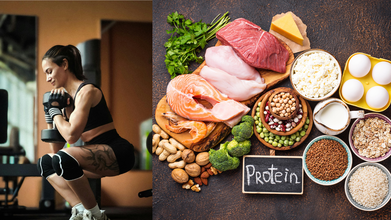
Although walking can burn a few calories, "strength training builds the 'engine' that burns glucose even while you sleep".
"If you are not lifting weights or doing resistance training at least twice a week, your insulin resistance will likely persist, regardless of your step count", he said.
Speaking to HealthandMe, Dr. Manisha Arora, Director - Internal Medicine at the CK Birla Hospital, Delhi, explained that cutting sugar and walking are good first steps, but they do not solve the problem of diabetes and high blood pressure.
"Insulin resistance, inflammation, and loss of muscle all contribute to these diseases. Light walking may help, but the intensity and duration of exercise are also important," he added.
What Is Strength Training?
Strength training exercises force muscles to contract against an external force, such as body weight, dumbbells, or bands. Common examples include
- squats,
- lunges,
- step-ups,
- push-ups,
- planks.
Strength training helps
- Decrease insulin resistance
- Lower blood pressure
- Improve cognitive function
- Reduce systemic inflammation
- Protect against neurodegenerative diseases like Alzheimer’s.
Focus On Protein Leverage
Dr. Kumar further mentioned the diet trap that most people fall into, that is., cutting out sweets and sugar, while loading up the plate with carbohydrate-rich foods such as rice, roti, and poha — 80 percent — and zero protein content.
"Refined carbohydrates (even without added sugar) spike insulin similarly to sugar," he said, calling "no sugar as the bare minimum".
The doctor noted that "a protein-deficient diet can lead to muscle loss and increase hunger".
To lower blood sugar levels, the experts urged to cut down on other foods, such as
- refined carbohydrates,
- processed foods,
- low-fiber foods.
"Focus on protein leverage. Prioritize 1.2g to 1.5g of protein per kg of body weight. When you hit your protein goals, your craving for carbs naturally drops," Dr. Kumar said.
To see the real change in blood sugar and BP levels, he advised people to "add two days of resistance training (bodyweight, bands, or weights)", instead of "just walking",.
The neurologist also recommended "starting the meal with protein paneer, eggs, sprouts, lean meat, and to eat carbs last, and in smaller portions".
In addition, a diet high in protein and fiber from whole grains, fruits, and nuts can also help control blood sugar levels.
"The most successful approach to controlling blood sugar results from combining aerobic exercise with strength training, along with balanced nutrition," said Dr Arora.
- Follow Us :


© 2024 Bennett, Coleman & Company Limited