
- Health Conditions A-Z
- Health & Wellness
- Nutrition
- Fitness
- Health News
- Ayurveda
- Videos
- Medicine A-Z
- Parenting
Are You One Of The Six Types Of People Who Cannot Have Green Tea? Here’s What You Can Have Instead
Credits: iStock
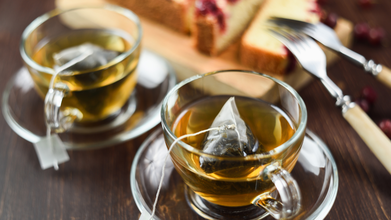
Green tea is healthy. A statement we hear every now and then. It surely is a healthier option, but how healthy is it really? Can everyone drink green tea? Or is it only for some people, while others may have to find alternatives?
Well, first things first, green tea is actually a healthier option, however, a 2024 study published in Chemosphere shows that the tea bags these green teas are sold in expose the consumers to microplastics. This means while green tea in its purest form is healthy, the packaging may actually be harmful. What is even more surprising is that there could actually be certain people who cannot drink green tea. Are you one of them? Let's find out.
Here are the 6 kinds of people who cannot drink green tea. But, worry not, we also have some alternatives for you!
Are You Someone With Chronic Stomach Issues?
Green tea contains catechins, these are antioxidants that make green tea better than the tea we usually drink. However, they can also irritate your stomach lining and alter acid levels. These catechins increase the production of stomach acids and it could lead to discomfort, bloating, constipation, and could even worsen your acid reflux and ulcers. This is, given that you already struggle with stomach issues.
The best thing to do? Do not consume green tea on an empty stomach. Ensure that you have eaten something before you go take a sip of it.
Do You Have Anemia? Green Tea Could Make It Worse
The same catechins that we talked about earlier could in fact block the absorption of iron in your body. This could cause anemia. In fact, a 28-year-old Lynn Shazeen, who was a Matcha-enthusiast, the purest form of green tea, ended up in the ER due to 'dangerously low iron levels'. The reason? You guessed it right. She drank too much Matcha, as a result, her iron levels went down from 23 to 13.
What can you do instead? Make sure that you are consuming enough iron otherwise. Include vitamin C-rich food in your diet, as they too can help boost iron absorption.
Green Tea May Not Be The Best Pregnancy Practice
If you are pregnant or a breastfeeding mother, consuming large amount of green tea could affect your baby's health. The caffeine in green tea could increase the risk of miscarriage and the catechins could interfere with folic acid absorption. These two passed to the baby through breast milk could overstimulate the baby.
What can you do? Experts say that new mothers or pregnant women must limit their intakes to no more than 2 cups a day.
Caffeine Sensitive People
If you are someone who does not react well to caffeine, do not drink green tea. Yes, green tea is sold as a healthier alternative, but not because it is caffeine-free, but because the amount of caffeine is less. An 8-ounce cup of green tea has somewhere between 20 to 45mg of caffeine, compared to a cup of coffee that has 95mg.
What can you do instead? Go for non-caffeinated drinks like juices, chamomile teas, or turmeric latte to ditch your Matcha latte.
Away From The Kids, Please
Like we do not let our kids drink tea; green tea comes under the same category. The caffeine content in it could overstimulate their nervous system. Green tea also contains tannins, which gives it its bitter taste, this could block the absorption of important nutrients and could even make your kid anemic.
What to do instead? You can give your young ones unsweetened milk, or coconut water for some taste. Talk to a nutritionist to ensure that whatever drink you give your kids do not spike their blood sugar levels.
If You Have Any Of These Health Conditions, You May Not Want To Drink Green Tea
If you have:
- Anxiety disorders
- Bleeding disorders
- Heart rhythm problems
- Diabetes
- IBS or diarrhea
- Liver disease
Then, it is best to stay away from green tea, as caffeine and tannins could further make your conditions worse.
So, What Are The Safer Alternatives?
You can go with herbal tea like chamomile, or lemongrass. They are great alternatives to green tea, and also do not contain any caffeine. You can also add a little cinnamon to make it flavorful.
The alternatives are as followed:
Hibiscus Tea
- Lemongrass Tea
- Chamomile Tea
- Turmeric Latte
- Coconut Water
- Rose Tea
- Oolong Tea
You can also add a little cinnamon to make it flavorful. While giving up tea could be hard, as the ingredients in it are what makes it addictive, however, the first step is always the harder one. Once you make the first move, which is to find an alternative, all that is left for you is to make it a routine. Voila! You are now healthier.
Disclaimer: Before making any changes in your diet, always consult your GP or a registered Nutritionist.
'I Barely Eat Junk Food': How Hidden Sugars In ‘Healthy’ Diets Are Driving Fatty Liver
Credit: Canva
Not eating junk food is a common reassurance many people offer when discussing their eating habits, often with a sense of confidence that their lifestyle is on the healthier side. Salads, fruit juices, brown bread, and low-fat snacks usually replace what is typically labelled as ‘unhealthy’.
However, despite these conscious choices, an increasing number of youngsters are being diagnosed with fatty liver disease. This raises an important question: if junk food isn’t the problem, then what is?
The answer often lies in what goes unnoticed. Hidden sugars, quietly present in foods marketed as healthy, are becoming a major but overlooked contributor.
What is NAFLD?
Fatty liver disease, or non-alcoholic fatty liver disease (NAFLD), is a condition in which excess fat builds up in the liver in people who consume little to no alcohol. Often referred to as a silent disease, it may not show clear symptoms in its early stages, but when it does, signs include persistent fatigue, mild discomfort in the upper right abdomen, unexplained weight gain, and abnormal liver function tests.
It is largely influenced by metabolic factors such as high sugar intake, obesity, insulin resistance, sedentary lifestyle, and diets rich in refined carbohydrates and processed foods. What makes this risk more concerning is the subtle presence of hidden sugars in everyday healthy foods.
How Hidden Sugars In Healthy Diets Are Driving Fatty Liver
What may appear as a balanced and “healthy” diet can often conceal hidden sugars that, over time, contribute significantly to the risk of fatty liver disease. It is important to know that:
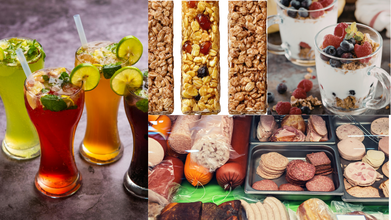
- Healthy packaged foods aren’t always healthy: Breakfast cereals, granola bars, flavored yogurt, and protein snacks often carry added sugars that go unnoticed.
- Fruit juices can be misleading: Packaged juices often have high sugar content without fiber, making them harder for the liver to process.
- Low fat doesn’t mean low risk: Many low-fat or diet products add sugar to improve taste, quietly increasing overall intake.
- Small intake of sugar multiple times a day: Tea, coffee, biscuits, and quick snacks may seem harmless individually, but together create a high daily sugar load.
- Natural sugars: Honey, jaggery, and brown sugar are often overused under the assumption that they are safer, but they affect the liver in similar ways.
- Inactive lifestyle makes it worse: Without enough physical activity, excess sugar is more likely to get stored as fat in the liver over time.
How Can It Be Diagnosed And Treated?
NAFLD is often detected through tests like HbA1c, CMP (comprehensive metabolic panel), and liver function tests. Imaging methods such as ultrasound and elastography help assess fat buildup and liver stiffness.
The condition usually has no clear symptoms in its early stages and is often linked to excess sugar intake. Treatment mainly focuses on reducing hidden sugars, improving diet, and increasing physical activity. In severe cases, bariatric surgery may be considered. Managing weight and blood sugar is essential to prevent further liver and heart complications.
How To Manage Sugar For Fatty Liver?
People can opt for healthy choices by:
- Reducing packaged healthy foods, as they often contain added sugars
- Limiting packed fruit juices and sweetened drinks that increase the sugar load
- Checking food labels to identify hidden sugars in everyday items
- Prefer home-cooked meals to control ingredients and sugar intake
- Stay physically active to help the body use sugar efficiently
Fatty liver is no longer limited to those who consume junk food or alcohol excessively. It develops quietly but can be managed with the right awareness and habits.
Controlling sugar intake is key to protecting both liver and overall health in the long run. It is increasingly becoming a silent condition among individuals who believe they are making the right dietary choices. Understanding food labels, limiting processed foods, and being mindful of hidden sugars are essential steps toward prevention.
Excessive Energy Drinks Damaging Young Adults’ Livers, Experts Warn
Credit: Canva
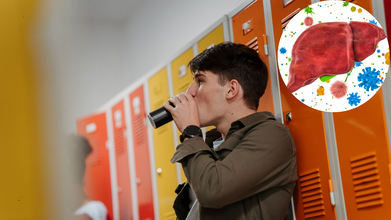
Excessive consumption of energy drinks is emerging as a significant contributor to liver damage among the country’s youth, said health experts on the occasion of World Liver Day today.
April 19 is observed worldwide as World Liver Day. The theme this year is “Solid Habits, Strong Liver".
Dr. Abhideep Chaudhary, President of the Liver Transplantation Society of India (LTSI) and Chairman and Head, Department of HPB and Liver Transplantation, BLK-Max Hospital, New Delhi, said that over the past few years, there has been a significant increase in young patients presenting with liver dysfunction.
"Three major contributors stand out — energy drinks, alcohol, and high-sugar beverages. Energy drinks, often perceived as harmless, contain high levels of caffeine, sugar, and chemical additives that place immense stress on the liver," the doctor said.
Recent medical studies have also highlighted the harmful impact of energy drinks on liver health.
A widely cited case published in the journal BMJ Case Reports documented acute hepatitis in a previously healthy individual linked to excessive energy drink consumption, primarily due to high levels of niacin (Vitamin B3), which in large doses is known to be hepatotoxic.
Additionally, research indicates that the combination of high sugar content, caffeine, and chemical additives in these drinks can trigger fat accumulation in liver cells, oxidative stress, and inflammation — all of which contribute to liver injury over time.
Also read: World Liver Day 2026: Origin, Theme, and Significance
Experts note that when consumed frequently, especially alongside alcohol or unhealthy diets, these beverages significantly increase the risk of developing non-alcoholic fatty liver disease (NAFLD), also known as Metabolism-Associated Fatty Liver Disease (MAFLD).
"Alcohol continues to be a leading cause of liver disease, and sugary drinks contribute to fatty liver disease," Dr. Chaudhary said, adding that together, these are creating a perfect storm, and the number of cases is steadily rising. If liver damage progresses beyond a certain point, a liver transplant often becomes the only life-saving option.
Young Adults More Affected
Medical experts emphasize that energy drinks are aggressively marketed to young consumers as performance enhancers and fatigue relievers.
However, these drinks often contain caffeine levels far exceeding recommended daily limits, along with substances such as taurine and herbal stimulants, which the liver must metabolize. Over time, this biochemical overload can impair liver function.
Also read: Lancet Study Shows Metabolic Liver Disease To Rise Over 38% By 2050: What’s Behind The Surge
India is witnessing a concerning rise in non-alcoholic fatty liver disease, with studies suggesting that nearly 25–30 per cent of the urban population may be affected, including a growing number of adolescents and young adults. High consumption of sugary beverages is a key driver, contributing to insulin resistance and fat deposition in the liver.
Dr. Neerav Goyal, President-Elect of LTSI and Head, Liver Transplant, Hepatobiliary and Pancreatic Surgery, Indraprastha Apollo Hospital, New Delhi, said that patients in their 20s and 30s are more affected by the conditions, which were once seen primarily in older individuals
Energy drinks and sugary beverages are contributing to "fat accumulation in the liver, inflammation, and long-term damage," Dr. Goyal said.
The doctors also warned against the increasingly popular trend of mixing energy drinks with alcohol.
“From a clinical standpoint, we are clearly observing a pattern where lifestyle choices are directly impacting liver health at a younger age," said Dr. Charles Panackel, Senior Consultant, Hepatology at Aster Medcity Kochi.
The expert noted that while the liver is a resilient organ, continuous exposure to these harmful substances leads to progressive damage — from fatty liver to inflammation, fibrosis, and even cirrhosis.
Also read: Fatty Liver Disease Driving Fertility Issues In India, Doctors Warn
Why Awareness Is Critical
Awareness is critical because early-stage liver disease is often reversible if addressed in time, the experts said. Parents, schools, and policymakers must also play an active role in educating young people about the hidden dangers of these beverages.
Some preventive steps for better liver health include:
- increasing awareness campaigns targeting youth,
- stricter regulations for energy drinks
- labeling of high-caffeine and high-sugar beverages,
- proactive lifestyle changes
- reducing consumption of processed drinks,
- avoiding alcohol-energy drink combinations,
- maintaining a balanced diet,
- engaging in regular physical activity.
- early screening.
World Liver Day: How Junk Food Can Cause Irrepairable Liver Damage

Junk food cause inflammation in the liver and result in excessive fat accumulation over time. (Photo credti: iStock)
Nowadays, people of every age group consume junk food. While this junk food is appealing to the taste buds, it can take a toll on liver health. Yes, that’s right. You will be shocked to know that frequent junk food consumption not only leads to obesity, gastric issues, joint pain, and inflammation but also to liver problems. Individuals who consume junk food four to five times a week, combined with a hectic lifestyle, have a higher chance of suffering from fatty liver, which can lead to liver damage. Everyone, including youngsters, should be cautious and prioritise liver health. Ahead of World Liver Day, Dr Chetan Kalal, Assistant Director – Hepatology, Gleneagles Hospital, Parel, spoke about the impact of junk food on liver health.
The junk food crisis
In today’s fast-paced lifestyle, many people rely heavily on junk food due to long working hours, stress, and a lack of time to cook healthy meals. They tend to order food online, consume processed snacks even at work, and skip balanced meals. Many are addicted to junk food, avoid freshly prepared home-cooked meals, and order online at least three to four times a week simply because they enjoy trying a variety of dishes. While ordering food is quick and may seem like a convenient option, such unhealthy eating patterns can negatively impact the liver.
Decoding the link between junk food and liver health, the liver plays a pivotal role in digestion and detoxification. Unfortunately, poor eating habits can overload it, leading to serious liver problems. Junk food is loaded with unhealthy fats, sugar, and refined carbohydrates. When consumed regularly, it leads to the build-up of fat in the liver, a condition known as fatty liver disease. Frequent consumption of junk food can interfere with the liver’s normal functioning. Excess sugar, especially from soft drinks and desserts, is converted into fat and stored in the liver. Similarly, fried and processed foods increase inflammation and make it harder for the liver to process nutrients effectively and function properly.
How does junk food affect the liver?
When the liver is affected, many people experience symptoms such as tiredness, digestive discomfort, bloating, and unexplained weight gain. In many cases, fatty liver may not show clear symptoms in the early stages, making it even more dangerous. If ignored, it can progress to more serious conditions such as liver inflammation, fibrosis, and even cirrhosis, which can permanently damage the liver. If the liver fails to function as it should, the last option may be a transplant. Undergoing a liver transplant can help improve the patient’s quality of life. To avoid the need for a transplant, it is essential to adopt liver-friendly habits.
Recovering from years of liver damage
Adhering to vital measures is the need of the hour to protect liver health. Make sure to avoid junk food, sugary drinks, desserts, bakery items, ice creams, sodas, and colas. Seek guidance from an expert who can advise on healthy eating habits. It is important to include fresh fruits, vegetables, whole grains, nuts, and seeds in the diet to support liver function. Avoid deeply fried snacks, which may be tempting but can lead to health problems. Foods such as samosas, vada, instant noodles, pizza, biscuits, kachori, pakora, puri, potato chips, cakes, white bread, sweets, and buns should be limited or excluded from the diet. Daily physical activity, weight management, and proper hydration are beneficial for liver health. Regular health check-ups, as advised by an expert, can help detect liver problems early and ensure timely treatment.
- Follow Us :


© 2024 Bennett, Coleman & Company Limited