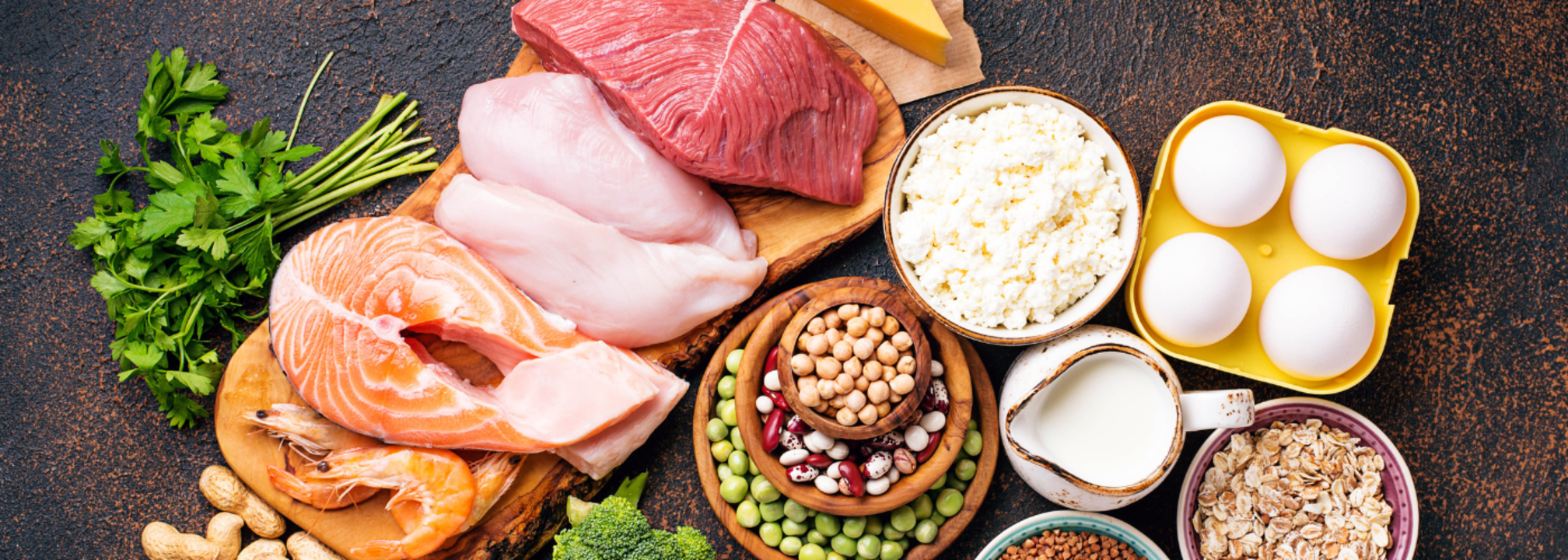
Protein is not just an important nutrient for muscle building, but is also helpful with weight management and overall health. When you consume protein, it helps you regulate hormones, curb hunger, and even increase the number of calories your body burns. Protein influences hunger-regulating hormonesYour brain plays an important role in regulating your weight, this is because the hypothalamus processes the signals about when and how much to eat. Protein also impacts hormones that control hunger and fullness. Eating more protein also increases levels of hormones like GLP-1, peptide YY, and cholecystokinin, which can also help you feel full. At the same time, it also reduces levels of ghrelin, the hormone which is also responsible for making you feel hungry. When you replace carbohydrates or fats in your diets with protein, you will feel fuller for longer and experience less frequent hunger. This reduces the appetite and can lead to consumption of less calories, which can help with weight management. Does Protein Burn More Calories?Your body uses energy to digest and metabolize the food you eat, this process is known as the thermic effect of food (TEF). Protein has a higher level of TEF, which could be about 20% to 30%, as compared to carbohydrates, which has TEF levels at 5 to 10% or fats, at 0 to 3%. For instance, if you consume 100 calories from protein, 20 to 30 of those calories would be burned in digestion. Protein also helps with metabolism and fat burningHigh-protein diets curb appetite and also increase the number of calories your body burns throughout the day. This continues eve when you are resting. This effect is even amplified during overfeeding, when extra protein can help your body burn off excess calories more effective. Studies have also found that people who eat a high-protein diet also burned an additional 260 calories per day- equivalent to the calories in a small snack. Does protein also help in reducing appetite and calorie intake?As mentioned before, it makes you feel fuller, which is why it helps you consume less food. Protein-rich diets are also naturally satisfying, this indeed helps you eat fewer calories without feeling deprived. There are studies too that shows that increasing protein intake to 30% of your daily calories can help reduce your calorie consumption- by up to 441 fewer calories per day in some studies. Protein also preserves muscle and prevents metabolic slowdown. When you lose weight, it is a common thing to lose both fat and muscle. A high-protein diet helps preserve muscle mass during weight loss, keeping your metabolism active. Is there a specific quantity of consuming protein?Experts recommend consuming about 25 to 30% of your daily calories from protein. This means for someone consuming 2,000 calories in a day, around 150 grams must contain protein. You can easily add protein to your diet with foods like chicken, fish, eggs, dairy, beans, lentils in your meals. You can also use protein supplements like whey protein powder, in case meeting protein count is not possible from your daily diet.