
- Health Conditions A-Z
- Health & Wellness
- Nutrition
- Fitness
- Health News
- Ayurveda
- Videos
- Medicine A-Z
- Parenting
Common Vitamins In Your Food Could Control Speed Of Digestion
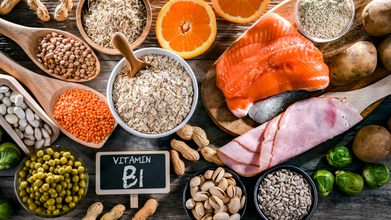
Credits: iStock
A vitamin found in everyday foods may be quietly influencing how often people go to the bathroom. A large new study suggests that vitamin B1, also called thiamine, could play a role in gut movement, the process that pushes food through the digestive system.
Gut motility is more important than many people realize. When it slows down, constipation can become a problem. When it speeds up too much, people may find themselves rushing to the toilet more often than usual. Researchers wanted to understand what controls this pace and their findings pointed to an unexpected nutrient.
What the Study Looked At
An international team of researchers analyzed genetic and health data from more than 268,000 people of European and East Asian ancestry. Participants were asked how frequently they had bowel movements, which researchers used as a practical indicator of gut motility.
By examining millions of genetic markers, the team identified 21 genetic regions linked to how often people passed stools. Some of these were already known to play a role in digestion, while others had never before been connected to gut function.
Using genetics allowed the researchers to map the biological systems that influence how fast the gut works. Many expected pathways appeared, including those related to nerve signaling and bile acid metabolism. But one result stood out clearly.
The Unexpected Role of Vitamin B1
The strongest surprise came from genes involved in vitamin B1 metabolism. Two specific genes that help transport and regulate thiamine in the body showed a strong link to stool frequency.
Vitamin B1 is essential for energy production and nerve health. This includes the nerves and muscles that coordinate movement in the intestines. These rhythmic contractions are what push food through the digestive tract, making thiamine a plausible player in gut function.
To see whether this genetic connection translated into everyday habits, researchers analyzed dietary data from nearly 100,000 participants in the UK Biobank.
Does Diet Make a Difference?
The data showed that people who consumed higher amounts of vitamin B1 tended to have more frequent bowel movements. This suggested that diet could influence gut movement, at least to some extent.
However, the effect was not seen equally in everyone. The relationship varied depending on a person’s genetic makeup. This suggests that some people may process or respond to vitamin B1 differently than others.
In simple terms, vitamin B1 may help regulate how fast the gut moves, but genes help decide how noticeable that effect is.
Important Limits to Understand
The researchers stressed that the findings have limits. Stool frequency alone does not capture the full picture of digestive health. It does not reflect stool consistency, abdominal pain, bloating, or discomfort, all of which are important symptoms.
The study also relied on self reported dietary information, which can be inaccurate. In addition, genetic associations do not prove direct cause and effect.
Crucially, the findings do not mean that taking vitamin B1 supplements will fix constipation or digestive issues. The exact biological pathway is still unclear.
What This Means Going Forward
This research adds to growing evidence that digestion is shaped by both diet and genetics. While vitamin B1 appears to be involved in gut movement, digestive problems are complex and highly individual.
People experiencing ongoing bowel issues should consult a doctor rather than turning to supplements on their own. What helps one person may not help another.
For now, the study opens an interesting door into how everyday nutrients may influence basic digestive functions.
Avoid These Foods To Reduce Your Risk Of Chronic Diseases

Credits: Canva
What you eat does far more than simply fuel your day. Over time, the quality of food, the way it is prepared, and how often it appears on your plate can significantly influence long-term health. Increasingly, research shows that certain types of foods may quietly contribute to inflammation, metabolic dysfunction, and chronic illnesses such as heart disease, diabetes, and cancer.
Researchers at the VCU Massey Comprehensive Cancer Center have been exploring how diet and environmental factors shape health outcomes. Scientists there are particularly studying compounds called advanced glycation end products (AGEs) and their connection to chronic diseases.
Why Ultra-Processed Foods Are A Concern
Recent dietary recommendations from the United States Department of Health and Human Services emphasize a simple principle: eat real food and cut back on ultra-processed products.
Ultra-processed foods include packaged snacks, highly refined products, and foods loaded with added sugars. These foods are designed for convenience and long shelf life, but research increasingly links them to poor health outcomes.
Experts studying nutrition note that most research examining ultra-processed foods consistently shows they are harmful when consumed frequently. One major reason is their association with higher levels of harmful compounds such as AGEs.
Today, avoiding them entirely is difficult. Studies suggest that more than 70% of foods available in grocery stores are processed or ultra-processed in some way, making healthy choices more challenging for many people.
What Are AGEs And Why Do They Matter?
Advanced glycation end products, or AGEs, are harmful compounds that form when proteins or fats combine with sugars in the bloodstream. While small amounts occur naturally in foods, they tend to be much higher in ultra-processed items.
Once consumed, these compounds can accumulate in tissues throughout the body. Over time, this buildup may accelerate tissue aging and trigger harmful biological processes.
Research shows that AGEs can contribute to inflammation, oxidative stress, and metabolic dysfunction—three mechanisms strongly linked with chronic diseases. Patients with long-term conditions such as diabetes, cardiovascular disease, and certain cancers often show significantly higher levels of these compounds.
Because AGEs accumulate slowly over a lifetime, they may also reflect long-term lifestyle and environmental exposures.
Cooking Methods Can Also Increase Risk
It is not just what you eat that matters—but also how you cook it.
High-temperature, dry cooking methods such as grilling, roasting, or frying can significantly increase AGE formation in food. Many people assume grilling is automatically healthier than deep-frying, but when it comes to AGE formation, intense heat can still promote the production of these compounds.
This does not mean you must avoid these cooking methods entirely, but balancing them with gentler methods like steaming, boiling, or stewing may help reduce exposure.
Foods To Limit For Better Health
To reduce long-term health risks, experts recommend limiting:
- Ultra-processed foods, including packaged snacks and ready-to-eat meals
- Highly refined foods made from processed grains
- Products with high added sugar content
- Foods cooked at very high temperatures frequently
These foods often contain higher levels of AGEs and other compounds that may stress the body over time.
The Power Of Moderation
Dietary changes do not require giving up favorite foods completely. Experts often emphasise moderation rather than strict restriction.
Balancing high-AGE foods with healthier, minimally processed options can help the body manage these compounds more effectively. Whole foods, balanced meals, and mindful preparation methods can make a meaningful difference over time.
Ultimately, the goal is simple: prioritize real, less-processed foods whenever possible and keep indulgences occasional. Small, consistent changes in everyday eating habits can go a long way in lowering the risk of chronic diseases and supporting long-term health.
Danica McKellar Said She Loved How Her Placenta Tasted; Why Do Some People Eat It?

Credits: Wikimedia Commons
Danica McKellar, American actress said she was embarrassed to admit that she liked tasting her placenta. While she did not go into childbirth thinking she was going to taste her placenta, she says she is glad she did so.
She said this while explaining her surprising postpartum culinary experience in a conversation with Bobby Bones on The BobbyCast.
"My doula said, do you want to taste the placenta? I'd just given birth. And I'm like, sure. I mean, you're not even, you're not in your right mind. She gave me a piece of it. Bobby, it was like the best filet mignon that I have ever tasted. But more," she said.
She continued that she was embarrassed about how much she loved it. "It was bizarre. I thought, what is this, some sort of weird satanic...Am I a cannibal?"
She is now mom to 15-year-old son Draco Verta, who she shares with her ex-husband and composer Mike Verta.
Why Do People Eat Placenta?
A 2014 BBC report notes that placenta sustains life in the womb and leaves the mother once it has served its purposes after the childbirth. The nutrients that have passed from mother to fetus over the months of pregnancy are still packed inside the placenta and should not be wasted. Instead, the raw placenta, many believe, could provide what the mother needs to recover from childbirth and begins breastfeeding.
Some women, as the BBC report notes, are also choosing to drink the placenta in a fruit smoothie within hours of giving birth. While others keep it cool and send it off to be dried and made into capsules, or ripping chunk of it and placing it by their gums.
As per Mayo Clinic, some people believe that eating placenta can help them recover from postpartum depression. However, the US Centers for Disease Control and Prevention issued a warning against taking placenta capsules. The warning was based on the case in which newborn developed an infection called group B streptococcus after the mother took placenta capsules.
The mother was thought to be infected with group B strep bacteria that came from the placenta because the capsules tested positive for the bacteria. Then the infection spread to the infant. Group B strep can cause serious illness in newborns. That may include a severe infection called sepsis. Group B strep also can lead to meningitis. Meningitis is an infection that affects the lining of the brain and spinal cord.
This infection happens when one processes their placenta and it could expose the placenta to bacteria or viruses.
Placenta And What It Holds
The placenta contain several hormones, including oxytocin, estrogen, progesterone, and relaxin. It is also rich in protein, amino acids, and minerals. However, the claims of people saying that it is healthy and should be consumed after delivering a child to avoid postpartum depression have not been fully tested. There are however cases where animals other than humans eat placenta after birth as it could reduce there labor pain. However, the same has not been proven in humans.
Can Ultraprocessed Foods Ruin Early Childhood Development?

Early childhood is a crucial stage for emotional and behavioural development and can shape long-term mental and physical well-being.
During this period, children may display internalising symptoms such as anxiety and withdrawal, or externalising behaviours like aggression and hyperactivity—patterns that can indicate a higher risk of later mental health problems.
And a new JAMA study suggests that diets high in ultra-processed foods (UPFs) in early childhood may be linked to later behavioral challenges.
Over the span of seven years, Canadian researchers analyzed 2.077 children using a food frequency questionnaire (FFQ) comprising 112 items to assess dietary intake at three years of age, categorizing foods according to the NOVA classification system.
Then, they evaluated behavioral and emotional outcomes at five years using the Child Behavior Checklist (CBCL) T-score scales based on caregiver responses, which represent standardized behavioral and emotional symptom scores rather than clinical diagnoses.
The study discovered that higher UPF intake at the age of three was associated with adverse behavioral and emotional symptoms at the age of five.
Notably, the scientists found that at the age of three, UPFs made up about 45.5 percent of children’s daily energy intake on average. By age five, average behaviour scores were 44.6 for internalising problems, 39.6 for externalising problems, and 41.2 overall.
Additionally, they noted that every 10 percent increase in energy from UPFs was linked to slightly higher behaviour problem scores across all categories. In contrast, replacing 10 percent of energy gained from UPFs with minimally processed foods (MPF) was linked to lower internalising, externalising and overall behaviour problem scores.
Although the effects were modest, the findings highlight that early dietary patterns may influence child development, reinforcing the importance of policies promoting healthier, minimally processed diets.
What Are UPFs?
UPFs refer to food products that are heavily industrially manufactured using ingredients rarely found in home kitchens. These often include additives such as emulsifiers, artificial flavors, preservatives and coloring agents. Common examples include sugary soft drinks, packaged snacks, biscuits, instant meals and processed meats.Unlike minimally processed foods such as fruits or vegetables, UPFs are typically designed for longer shelf life, convenience and enhanced taste appeal.
Several studies have linked high UPF consumption to obesity, metabolic disorders and cardiovascular disease. One recent study even suggested that eliminating UPFs could significantly accelerate weight loss, while others have connected them to a higher risk of chronic illness.
How To Recognize Ultra-Processed Foods?
In spite of all this danger, UPFs own the shelves in supermarkets, camouflaged as health foods. Some telltale signs include:
Emulsifiers: Employed to mix ingredients together and produce creamy textures. Research indicates they can interfere with gut microbiota and the intestinal mucus barrier.
- Artificial sweeteners: Contained in low-calorie beverages and foods, these substances can quietly affect appetite and gut microbiota.
- Modified starches: Digested speedily and containing low amounts of fiber, they cause peaks in blood glucose with minimal nutrition.
- Protein isolates: Typical of shakes and meat alternatives, these isolate protein from its native environment and indicate intensive processing.
- Stabilizers and gums: Added to enhance texture, these are unknown in home kitchens and lead to gastrointestinal distress.
How to Make Smarter Swaps To Make At The Grocery Store
Cutting UPF intake doesn't need a drastic lifestyle adjustment. Minimally processed, simple alternatives can offer the same convenience without toxic additives:
- Packed legumes and fish: Canned beans, chickpeas, lentils, and plain fish are healthy and shelf-stable.
- Frozen vegetables and fruits: Often as nutrient-dense as their fresh counterparts.
- Whole grains: Opt for plain brown rice or quinoa pouches in lieu of flavored instant packets.
- Additive-free sauces: Passata, tahini, pesto, and coconut milk present wholesome, ready-to-use meal bases.
Although UPFs are not going away from world diets anytime in the near future, knowledge and wise food choices can help counteract them. Making whole and minimally processed foods a priority is not merely a plan for improved health; it is a protection for ongoing reproductive and metabolic health.
- Follow Us :


© 2024 Bennett, Coleman & Company Limited