
- Health Conditions A-Z
- Health & Wellness
- Nutrition
- Fitness
- Health News
- Ayurveda
- Videos
- Medicine A-Z
- Parenting
Fact Check: Does TikTok's 'Chlorophyll & Collagen' Supplement Really Work?

Credits: Canva
Thanks to social media, health tips are now everywhere. They seem easy to follow, include almost nothing but home ingredients, but are they really beneficial and safe to use? Health and Me ran a fact check on TikTok's trending chlorophyl and collagen supplements. Two of the biggest players in the wellness industry.
TikTok videos show celebrities and influencers sipping the green shots of chlorophyll with blended collagen into coffee. This is what is packaged as a shortcut to health and beauty.
Fact Check: The Formula To Stay Young - Does It Really Work?
Chlorophyll is the pigment found in plants that makes them green. In biology lab, it's recalled as fueling photosynthesis—to capture light energy to create glucose and oxygen. In plants, it's vital. In humans, things aren't quite as simple.
Wellness brands and influencers, from Gwyneth Paltrow's Goop to Kourtney Kardashian Barker's Poosh, have made drinking chlorophyll water a daily habit. Marketing promises range from detoxification to more radiant skin and even "oxygenating the blood." The concept sounds alluring—except that it can't be done biologically.
As physician and researcher Ben Goldacre points out, photosynthesis requires sunlight, water, and carbon dioxide. Our gut and bloodstream aren’t flooded with sunlight, so chlorophyll simply can’t perform its plant-like function inside humans. Drinking it won’t generate oxygen in your body.
Fact Check: What Is The TikTok Trend?
The type most commonly employed in supplements is chlorophyllin, a semi-synthetic, water-soluble derivative of chlorophyll. Several small, older studies indicate that it might decrease odors in wounds or stool, possibly by breaking down some compounds or stopping bacteria from growing. There's weak evidence that it might act as an antioxidant, roaming free radicals causing cell destruction, but studies are few and far from convincing.
More promising are investigations into its application in wound healing. Chlorophyll dressings have been studied for their potential to speed up healing and deodorize infected wounds. But consuming it for beauty or detoxing purposes is something else—clinical evidence for those uses is scant.
Fact Check: Is This Trend Safe?
Potential Risks and Side Effects of Chlorophyll
Most individuals are able to tolerate chlorophyll, but it is not risk-free. Side effects reported include diarrhea, cramps in the stomach, and colored urine, stool, or even tongue. Mild itching or burning with topical use can be produced in occasional instances. The U.S. National Library of Medicine states that chlorophyll is non-poisonous in normal doses, but in high doses it can produce gastrointestinal upset.
What this actually translates to is that while chlorophyll won't hurt you in moderation, it's also unlikely to bring the extreme makeovers promised on TikTok.
Collagen
Collagen differs from chlorophyll in that it's something that humans naturally create. It's the body's most common protein and what builds scaffolding for skin, bones, cartilage, blood vessels, and connective tissue. It's responsible for skin elasticity and flexibility of joints.
Collagen production inherently decreases with age, resulting in wrinkles, stiff joints, and less resilient connective tissue. This loss has propelled a billion-dollar collagen market, with powders, pills, and creams touted as a means to "replenish" what the body is losing.
What Science Says About Collagen Supplements
Collagen supplementation research is further advanced than chlorophyll's, although it's not yet conclusive. Some research indicates oral collagen peptides can moderately enhance skin hydration, elasticity, and fine lines. There's also support that they might be good for joint health, mitigate exercise-induced joint pain, and increase bone density in the elderly.
But science doesn't go so far as to make miracle promises. Collagen won't cause weight loss, detox the body, or stop cardiovascular disease, no matter what ads might promise.
Topical Collagen
Collagen creams and serums inundate the beauty market, but it's hard to find one that works. Collagen molecules are too big to pass through the skin barrier, so most topical products can't really increase collagen where it counts. At best, they offer surface moisture and temporary plumping.
Supporting Natural Collagen Production
The body synthesizes collagen from amino acids, so consuming sufficient protein-containing foods—chicken, fish, eggs, beans, and bone broth—is still the best method to supply it. Vitamin C, zinc, and copper are also necessary cofactors for collagen production. Having a well-nourished diet and staying away from excessive sunlight exposure and smoking might preserve your natural reserves better than any costly powder.
Why TikTok Supplements Feel So Convincing?
One of the reasons supplements such as chlorophyll and collagen do so well online is that they provide instant, tangible rituals. Adding green drops to water or spilling white powder into a latte gives one a feeling of agency and pampering. When influencers couple such rituals with radiant skin or lean bodies, it's simple to think that the supplement is the magic bullet—when genetics, diet, and lifestyle actually have so much more to do with it.
Social media exaggerates anecdotal accounts, frequently beating what the evidence will allow. And although both collagen and chlorophyll might have specialized advantages, they are not cure-alls or substitutes for healthy living.
What Consumers Should Know?
Experts always recommend taking supplement fads with a grain of salt. The evidence for chlorophyll remains limited, with only mild effects in very particular medical contexts such as wound healing. Collagen is more robust, especially for joints and skin, but the effects are modest compared to what is claimed in the marketplace.
Supplements must be used to complement, and not substitute, a diet of balanced nutrition, exercise, and sleep. For beauty and health in the long run, consuming a diet that has high quantities of fruits, vegetables, protein, and micronutrients is a much better way than consuming any one powder or extract.
Is Chlorophyll Drink Worth the Hype?
Chlorophyll won't make you a detoxed, glowing version of yourself any more than photosynthesis will function in your blood. Collagen supplements might be helpful, particularly for skin and joints, but they're no miracle cure themselves.
For the time being, consider these TikTok staples as add-ons, not requirements. If drinking a chlorophyll latte makes you happy or sprinkling collagen powder makes you eat more protein, that's okay. Just be aware that the glow-up is much more likely to be the result of regular healthy habits and not an online-viral supplement.
Disclaimer: This article is intended for informational purposes only and is not a replacement for medical professional advice. Always consult a qualified healthcare professional before starting supplements, treatment, or altering your health regimen.
Intermittent Fasting Is Not Better Than Weight Loss Diets, Finds Study

Credits: iStock
Intermittent fasting has built a reputation as a modern shortcut to weight loss. Social media, wellness blogs, and celebrity endorsements have helped position it as more effective than simply eating less. But a large scientific review now suggests the reality is far less dramatic.
Researchers analyzing global evidence found fasting plans do not outperform conventional calorie controlled diets. In fact, the results were only slightly better than not dieting at all.
The analysis examined 22 studies involving adults who were overweight or living with obesity. Participants followed different fasting approaches including alternate day fasting, the 5:2 diet, and time restricted eating. Across the board, weight loss outcomes closely matched traditional dietary advice.
Lead author Dr Luis Garegnani told the Guardian, “Intermittent fasting is not a miracle solution, but it can be one option among several for weight management.” He added, “It likely yields results similar to traditional dietary approaches for weight loss. It doesn’t appear clearly better, but it’s not worse either.”
Weight Loss Results Were Modest
Participants who followed fasting routines lost about 3 percent of their body weight. Doctors generally consider 5 percent loss clinically meaningful for improving health markers like blood pressure and diabetes risk.
This means most people in the trials did not reach the level where measurable health benefits usually begin.
The review also noted the studies were short term, lasting up to 12 months. So while fasting did produce some reduction, the scale of change remained modest.
Surprisingly, the research found little evidence that fasting improved quality of life more than other diets. Researchers also pointed out that none of the studies actually asked participants how satisfied they were with fasting routines.
Garegnani told the Guardian that many fasting studies are short and often inconsistent in design, making firm conclusions difficult. Given how widely fasting is promoted, he said clarifying expectations is important.
Why Fasting Became Popular
Intermittent fasting involves limiting eating to specific hours or skipping food on certain days. Supporters claim it can boost metabolism, improve brain function, and slow ageing.
Some biological theories do support potential benefits. Dr Zhila Semnani Azad from the National University of Singapore explained that metabolism follows circadian rhythms, and fasting may influence how the body uses fat. Research in animals suggests fasting can improve insulin sensitivity and reduce inflammation. It may also trigger autophagy, a cellular recycling process linked to ageing.
However, she noted that there is no universal definition of intermittent fasting, which makes comparing studies difficult.
The Body Adapts Quickly
Professor Maik Pietzner from the Berlin Institute of Health said the limited weight loss was not entirely surprising. He explained that people often become less physically active during fasting periods, which may offset calorie reduction.
He told the Guardian, “If people feel better on such diet regimens, I wouldn’t stop them, but there’s no robust evidence for positive effects beyond a possible moderate weight loss.”
His research also shows the body tolerates food scarcity very well. Even complete fasting for short periods causes only minor biological changes.
What This Means For Dieting
The findings suggest intermittent fasting is not harmful for most people but it is not superior either. Traditional balanced diets remain just as effective for weight management.
In simple terms, fasting works mainly because people eat fewer calories, not because it triggers a special fat burning state.
For those who enjoy structured eating windows, fasting may still be a practical lifestyle choice. But the study reinforces a clear message. Sustainable habits matter more than trendy diet patterns, and no eating schedule replaces long term consistency.
Erythritol Sweetener Could Be Linked To Stroke Risk, Finds Study
Credits: Canva
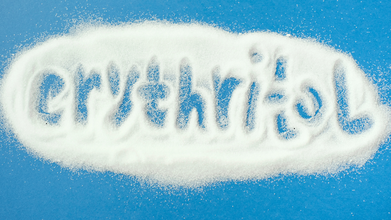
Erythritol sweetener, commonly found in most of the food we consume, whether it is a protein bar or energy drink could be linked to stroke risk. While it is considered as a safer alternative to sugar as a natural sweetener, a study from the University of Colorado suggests it could damage cells in the blood-brain barrier.
The blood-brain barrier is brain's security system that keeps the harmful substance off the limits, while letting in nutrients. Research also suggests that it would lead to serious consequences for heart health and stroke risk.
Erythritol Sweetener Risk: What Did The Study Find?
In the latest study, researchers exposed cells that form the blood–brain barrier to erythritol levels typically seen after consuming a soft drink sweetened with the compound. What followed was a cascade of cellular damage that could leave the brain more vulnerable to blood clots, one of the leading causes of stroke.
The researchers found that erythritol triggered intense oxidative stress, overwhelming cells with unstable molecules known as free radicals. At the same time, it weakened the body’s natural antioxidant defences. This double hit impaired normal cell function and, in some cases, led to cell death.
Damage to blood–brain barrier cells is particularly concerning because this barrier plays a crucial role in protecting the brain from harmful substances circulating in the bloodstream. When its integrity is compromised, the risk of neurological injury rises sharply.
Erythritol Sweetener Risk: How It Disrupts Blood Flow Control
Even more troubling was erythritol’s effect on how blood vessels regulate blood flow. Healthy blood vessels constantly adjust their width—expanding when organs need more oxygen and nutrients, and narrowing when demand is lower.
This process depends on a delicate balance between two molecules: nitric oxide, which relaxes blood vessels, and endothelin-1, which causes them to constrict. The study found that erythritol disrupted this balance by reducing nitric oxide production while increasing endothelin-1 levels.
The result is blood vessels that stay constricted longer than they should, potentially restricting blood flow to the brain. This kind of dysfunction is a known warning sign for ischaemic stroke, the most common form of stroke caused by blocked blood vessels.
Erythritol Sweetener Risk: How It Interferes With Body's Clot Defense
The most alarming finding in the study was how body's natural protect against blood clot is disturbed. Under normal circumstances, cells release a substance called tissue plasminogen activator, which is described as a natural 'clot buster', which helps dissolve clots before they become dangerous. However, erythritol could interfere with this protective mechanism and allow clots to persist and cause damage.
Several have shown that people with higher blood levels of erythritol face significantly increased risks of cardiovascular events. In one major study, individuals with the highest erythritol levels were nearly twice as likely to suffer a heart attack or stroke.
However, researchers caution that the experiments were conducted on isolated cells rather than full blood vessels. More advanced models that better replicate human physiology will be needed to confirm the findings.
Erythritol occupies a unique space in the sweetener world. Classified as a sugar alcohol rather than an artificial sweetener, it escaped recent World Health Organization guidance discouraging artificial sweeteners for weight control. Its sugar-like taste has also made it a favorite in “keto-friendly” and sugar-free foods.
5 Ultra Processed Foods That Could Be Worse Than You Think, Explains Expert
Credits: Canva
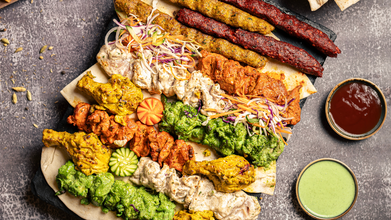
Ultra-processed foods (UPFs) have been dominating nutrition debates in recent months, but experts say not all UPFs deserve equal concern. Some may be far more disruptive to metabolic and heart health than others, depending on ingredients and frequency of consumption.
UPFs are industrially manufactured products that typically contain refined flours, industrial seed oils, added sugars, preservatives, emulsifiers and stabilizers. Several studies have linked high UPF consumption to obesity, metabolic disorders and cardiovascular disease. One recent study even suggested that eliminating UPFs could significantly accelerate weight loss, while others have connected them to a higher risk of chronic illness.
Speaking to Fox News Digital, Eric Berg, a Florida chiropractor and health educator known online as "the Knowledge Doc," highlighted five commonly consumed ultra-processed foods that may warrant extra caution.
Ketchup: Small Amounts, Hidden Sugars
Ketchup may seem harmless, but many commercial varieties contain significant amounts of added sugar, often in the form of corn syrup. Even when consumed in small quantities, frequent use can steadily increase daily sugar intake.
Over time, this added sugar may contribute to excess calories and disrupt metabolic health. Checking ingredient labels and opting for low-sugar or sugar-free alternatives can help reduce this hidden source of sweetness.
Flavored Yogurt: A Health Halo Problem
Yogurt is widely perceived as a health food, but flavored versions can be misleading. Many contain added sugars, artificial sweeteners and stabilizers that outweigh their nutritional benefits.
While yogurt itself can support gut health—especially when fermented with beneficial bacteria—experts stress that the health impact depends heavily on sugar content, ingredients and portion size. Choosing plain yogurt and adding fresh fruit or natural sweeteners at home is often a better option.
Soda Crackers: Refined and Deceptive
Soda crackers are often marketed as a light or “safe” snack, yet they frequently contain refined flours, added sugars and unhealthy oils. These refined ingredients are quickly digested, which may trigger blood sugar spikes, particularly when eaten without fiber or protein.
Healthier alternatives include whole-food-based crackers made from nuts or seeds, which offer more fibre, nutrients and longer-lasting satiety.
Candy Bars: More Than Just Sugar
Candy bars are one of the most obvious examples of ultra-processed foods. They are typically made with refined starches, seed oils and artificial additives while offering little to no nutritional value.
Frequent consumption of such products has been linked by nutrition experts to poorer metabolic health over time. The concern isn’t just sugar, but the combination of unhealthy fats, refined carbohydrates and additives that may collectively strain cardiovascular and metabolic systems.
Ice Cream Cones: The Overlooked Culprit
Interestingly, it’s not the ice cream itself but the factory-made cone that raises red flags. These cones are often ultra-processed, containing refined flours, added sugars, unhealthy oils and artificial ingredients.
When paired with commercial ice cream, the result can be a “double hit” of sugar, unhealthy fats and additives, significantly lowering the overall nutritional quality of the treat.
The Bigger Picture
Experts emphasize that moderation matters, and occasional indulgence isn’t the issue. The real concern lies in habitual consumption of ultra-processed foods that quietly dominate daily diets. Reading labels, prioritising whole foods and being mindful of ingredient lists can go a long way in protecting long-term health.
- Follow Us :


© 2024 Bennett, Coleman & Company Limited