
- Health Conditions A-Z
- Health & Wellness
- Nutrition
- Fitness
- Health News
- Ayurveda
- Videos
- Medicine A-Z
- Parenting
What is Kratom? Is It a Natural Remedy or an 'Addictive' Danger?
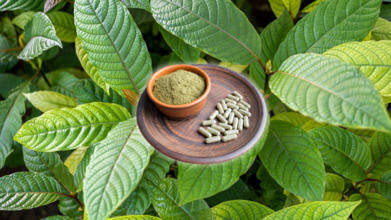
Credits: Health and me
At first glance, kratom seems like just another herbal supplement tucked away on the shelves of gas stations, smoke shops, and internet wellness stores. It’s marketed as a natural remedy a “safer” alternative to opioids, a tool for pain relief, anxiety, or even a way to ease opioid withdrawal but beneath its green-powdered facade lies a far more complex and controversial story. One that’s increasingly raising red flags among addiction specialists, federal regulators and grieving families.
Kratom, a plant native to Southeast Asia, has quietly sparked one of the most polarizing debates in modern health policy. Touted by some as a natural remedy for chronic pain, anxiety, and even opioid withdrawal, it’s also flagged by regulators for its potential for addiction and serious side effects. In the US, kratom sits in a legal gray zone—sold openly in some states while banned in others. So, is it a botanical ally or a public health risk waiting to explode? The answer isn’t simple. And that’s exactly why the kratom controversy refuses to die down
Let’s understand what kratom actually is, why it’s so widely used, and the growing public health concerns surrounding this seemingly harmless herb.
Also Read: World Heart Day 2025: Theme, History, and Significance - Why It's Celebrated on September 29?
What Is Kratom?
Kratom (scientific name: Mitragyna speciosa) is a tropical tree native to Southeast Asia and a cousin of the coffee plant. For centuries, people in countries like Thailand and Malaysia have used its leaves to relieve pain, enhance stamina during hard labor, treat diarrhea, and manage opioid withdrawal symptoms.
In small doses, kratom can act like a stimulant, offering increased energy and alertness. In larger doses, it mimics the sedating effects of opioids — bringing feelings of euphoria, drowsiness, and even pain relief. This is largely due to two potent alkaloids found in the plant: mitragynine and 7-hydroxymitragynine (7-OH), which bind to the same opioid receptors in the brain that drugs like heroin and oxycodone target.
That dual effect stimulating in low doses, sedative in high makes kratom especially unpredictable and risky.
Is Kratom Part Of The Growing Wellness Trend Fueled by Misinformation?
The U.S. wellness industry is booming, estimated at a staggering $6.3 trillion globally. Kratom has ridden that wave, appearing in TikTok videos, Reddit forums, and online stores — often labeled innocuously for “aromatherapy” or “soap making” to bypass federal import restrictions.
Many users claim it has helped them manage chronic pain, anxiety, or break away from more dangerous opioids. But here's the problem: the kratom market is almost completely unregulated. Unlike over-the-counter medications or prescription drugs, kratom products don’t go through rigorous safety testing. There are no standards for purity, dosage, or labeling.
That means you could be swallowing a product that varies wildly in potency from batch to batch — or worse, one laced with contaminants like heavy metals, bacteria, or even other synthetic drugs.
Also Read: Katie Thurston Opens Up About Stage 4 Breast Cancer Journey
Why Are FDA and DEA Are Paying Attention Now?
In 2014, the FDA officially banned the import of kratom as a dietary supplement. Since then, kratom products sold in the U.S. have been operating in a legal gray zone — accessible but unapproved, often sold with vague labels and misleading health claims.
In 2018, the FDA issued a massive recall due to Salmonella contamination in kratom supplements. More recently, the agency has set its sights on 7-hydroxymitragynine (7-OH), the compound considered most responsible for kratom’s opioid-like effects.
The DEA has added kratom to its Drugs and Chemicals of Concern list but has stopped short of scheduling it as a controlled substance. For now, kratom remains legal in most U.S. states, though some — including Indiana, Alabama, and Wisconsin — have enacted their own bans.
What Happens To Your Body When You Take Kratom Supplement?
The effects of kratom usually kick in within 5 to 15 minutes of ingestion and can last up to 5 hours, depending on the dose. Most users take it in powder form, brewed into tea, or swallowed in capsules — often mixed with sweeteners to offset its bitter taste. Common short-term effects include:
- Dry mouth
- Nausea
- Drowsiness
- Elevated blood pressure
- Constipation
More severe reactions have been reported, including seizures, hallucinations, respiratory depression, and cardiac arrhythmia — especially at high doses or when combined with other substances. The American Addiction Centers warns that frequent kratom use can lead to dependency, and the DEA has even cited cases of psychosis tied to chronic use.
Can You Get Addicted to Kratom Supplement?
Absolutely and many users don’t realize they’re at risk until it’s too late. A recent study showed that 12.3% of kratom users met the criteria for addiction. Some end up requiring the same treatments used for opioid use disorder, such as suboxone (buprenorphine). Others experience milder withdrawal symptoms like anxiety, tremors, and insomnia akin to caffeine withdrawal.
But for some, the consequences are much more serious. Take the case of Jordan McKibban, a young man who died in 2022 after mixing kratom into a drink. His mother, Pam, is now publicly advocating for better awareness and regulation. “I’ve lost my son. I’ve lost the future I imagined with him. He shouldn’t be in a cemetery,” she said in an emotional interview.
Is Kratom Dangerous or Helpful?
That depends on who you ask. Proponents argue that kratom is a life-saving alternative for those trying to manage pain or escape opioid addiction especially in a healthcare system where many feel abandoned or stigmatized. Some researchers even believe 7-OH may carry fewer respiratory risks than traditional opioids, though that claim needs more data.
Jeff Smith, policy director at the Holistic Alternative Recovery Trust (HART), argues that banning kratom outright would hurt the very people it's helping, “Cutting off access helps no one, but it will hurt many,” he said.
Critics counter that until kratom is studied and regulated more rigorously, it’s a ticking time bomb — especially when it’s available to anyone with a credit card and Wi-Fi.
Kratom is not just a “natural herb”, it’s a psychoactive substance with powerful effects on the brain and body. While it may offer genuine benefits to some users, its risks are real, especially in a market with no regulation, quality control, or medical oversight.
If you're considering kratom whether for pain, anxiety, or opioid withdrawal, talk to a doctor. Don't assume “herbal” means safe. In the meantime, as the FDA and DEA weigh tighter restrictions on kratom, the spotlight is only growing brighter on an industry that’s long operated in the shadows.
Are You One Of The Six Types Of People Who Cannot Have Green Tea? Here’s What You Can Have Instead

Credits: iStock
Green tea is healthy. A statement we hear every now and then. It surely is a healthier option, but how healthy is it really? Can everyone drink green tea? Or is it only for some people, while others may have to find alternatives?
Well, first things first, green tea is actually a healthier option, however, a 2024 study published in Chemosphere shows that the tea bags these green teas are sold in expose the consumers to microplastics. This means while green tea in its purest form is healthy, the packaging may actually be harmful. What is even more surprising is that there could actually be certain people who cannot drink green tea. Are you one of them? Let's find out.
Here are the 6 kinds of people who cannot drink green tea. But, worry not, we also have some alternatives for you!
Are You Someone With Chronic Stomach Issues?
Green tea contains catechins, these are antioxidants that make green tea better than the tea we usually drink. However, they can also irritate your stomach lining and alter acid levels. These catechins increase the production of stomach acids and it could lead to discomfort, bloating, constipation, and could even worsen your acid reflux and ulcers. This is, given that you already struggle with stomach issues.
The best thing to do? Do not consume green tea on an empty stomach. Ensure that you have eaten something before you go take a sip of it.
Do You Have Anemia? Green Tea Could Make It Worse
The same catechins that we talked about earlier could in fact block the absorption of iron in your body. This could cause anemia. In fact, a 28-year-old Lynn Shazeen, who was a Matcha-enthusiast, the purest form of green tea, ended up in the ER due to 'dangerously low iron levels'. The reason? You guessed it right. She drank too much Matcha, as a result, her iron levels went down from 23 to 13.
What can you do instead? Make sure that you are consuming enough iron otherwise. Include vitamin C-rich food in your diet, as they too can help boost iron absorption.
Green Tea May Not Be The Best Pregnancy Practice
If you are pregnant or a breastfeeding mother, consuming large amount of green tea could affect your baby's health. The caffeine in green tea could increase the risk of miscarriage and the catechins could interfere with folic acid absorption. These two passed to the baby through breast milk could overstimulate the baby.
What can you do? Experts say that new mothers or pregnant women must limit their intakes to no more than 2 cups a day.
Caffeine Sensitive People
If you are someone who does not react well to caffeine, do not drink green tea. Yes, green tea is sold as a healthier alternative, but not because it is caffeine-free, but because the amount of caffeine is less. An 8-ounce cup of green tea has somewhere between 20 to 45mg of caffeine, compared to a cup of coffee that has 95mg.
What can you do instead? Go for non-caffeinated drinks like juices, chamomile teas, or turmeric latte to ditch your Matcha latte.
Away From The Kids, Please
Like we do not let our kids drink tea; green tea comes under the same category. The caffeine content in it could overstimulate their nervous system. Green tea also contains tannins, which gives it its bitter taste, this could block the absorption of important nutrients and could even make your kid anemic.
What to do instead? You can give your young ones unsweetened milk, or coconut water for some taste. Talk to a nutritionist to ensure that whatever drink you give your kids do not spike their blood sugar levels.
If You Have Any Of These Health Conditions, You May Not Want To Drink Green Tea
If you have:
- Anxiety disorders
- Bleeding disorders
- Heart rhythm problems
- Diabetes
- IBS or diarrhea
- Liver disease
Then, it is best to stay away from green tea, as caffeine and tannins could further make your conditions worse.
So, What Are The Safer Alternatives?
You can go with herbal tea like chamomile, or lemongrass. They are great alternatives to green tea, and also do not contain any caffeine. You can also add a little cinnamon to make it flavorful.
The alternatives are as followed:
Hibiscus Tea
- Lemongrass Tea
- Chamomile Tea
- Turmeric Latte
- Coconut Water
- Rose Tea
- Oolong Tea
You can also add a little cinnamon to make it flavorful. While giving up tea could be hard, as the ingredients in it are what makes it addictive, however, the first step is always the harder one. Once you make the first move, which is to find an alternative, all that is left for you is to make it a routine. Voila! You are now healthier.
Disclaimer: Before making any changes in your diet, always consult your GP or a registered Nutritionist.
Is Ozempic Really Better Than A Longevity Diet For Losing Weight? Nutritionist Explains

Credits: Canva
Weight loss is one of the most discussed health topics today, with countless strategies promising results. Two approaches that have gained attention recently are the use of Ozempic, a medication designed to regulate appetite and metabolism, and the longevity diet, a mindful, whole-food approach aimed at long-term health benefits. But which is truly more effective for shedding pounds and maintaining overall well-being?
We got in touch with Dr. Pratyaksha Bhardwaj, World Record Holder Dietician and Weight Management Expert, who shared her insights on how both methods work and which might suit different individuals.
What is Ozempic?
Ozempic is a prescription medication that helps regulate appetite by acting on the digestive system and influencing metabolic pathways. Dr. Bhardwaj explains, “Ozempic works quickly because it impacts the hormones that control hunger, making it easier for people to reduce their calorie intake.”
This medication is particularly useful for individuals struggling with obesity, insulin resistance, or difficulty maintaining long-term weight loss. “For people who need rapid results or are starting their weight loss journey, Ozempic can provide a significant boost,” says Dr. Bhardwaj.
However, she also cautions that Ozempic requires medical supervision and carries potential side effects. Without lifestyle changes, there is a risk of regaining weight once the treatment stops.
What is the Longevity Diet?
The longevity diet is a plant-focused way of eating that also includes periods of a fasting-mimicking diet to support long-term health. It encourages meals built around vegetables, fruits, whole grains, legumes, and nuts, while cutting back on red meat, packaged foods, and sugary items. The plan is grounded in scientific research and combines everyday nutritious eating with short stretches of a controlled, low-calorie, fully plant-based diet a few times each year.
As per Everyday Health, the diet centres on mostly plant foods, with plenty of leafy greens, seasonal fruits, whole grains, beans, lentils, nuts, and seeds. Olive oil and other healthy fats are used regularly. Protein comes mainly from plant sources, though a few servings of low-mercury fish may be included each week. It calls for limiting red and processed meats, sweets, and refined grains. Some versions suggest keeping meals within a twelve-hour window, such as between morning and early evening.
Unlike Ozempic, the longevity diet is a long-term, holistic approach to eating. Dr. Bhardwaj describes it as “a diet based on whole foods, mindful eating, timing meals according to your circadian rhythm, and creating sustainable metabolic health.”
While results are slower, the longevity diet promotes cellular integrity, reduces inflammation, balances gut health, and builds lasting healthy habits. “This isn’t a quick fix,” Dr. Bhardwaj notes, “but the benefits extend beyond weight loss, supporting overall health for the long term.”
Which One is Better?
Determining which approach is better depends largely on individual goals, medical history, and lifestyle. According to Dr. Bhardwaj, “Ozempic can provide momentum and jumpstart weight loss, especially for those facing metabolic challenges, but the longevity diet ensures long-term sustainability and better overall health.”
She emphasizes that combining knowledge from both approaches can sometimes be the most effective strategy. “Using Ozempic under medical supervision to get started, while gradually incorporating the principles of a longevity diet, can help people achieve both short-term results and long-term wellness.”
Ultimately, choosing between Ozempic and the longevity diet isn’t about one being universally better than the other, it’s about finding the method that fits your body, lifestyle, and long-term health goals.
Vitamin B12 Deficiency Is Common In Vegetarians, AIIMS Doctor Explains Why

Credits: Canva
One of the challenges neurologists are seeing today is the steady rise in patients who show neurological problems tied to low vitamin B12 levels, especially among people who follow a strict vegetarian diet.
Recent findings from several PubMed studies, along with insights from practicing neurologists such as Dr Priyanka Sehrawat, who trained at the All India Institute of Medical Sciences (AIIMS), Delhi, indicate that people who follow a strict vegetarian diet face a much higher risk of developing vitamin B12 deficiency.
Dr Sehrawat explains that plants do not make vitamin B12 because they have no biological need for it, so a purely plant-based diet often falls short. Research also shows that this deficiency affects vegetarians across all age groups, including children, teenagers, adults and older individuals.
Why Vitamin B12 Matters
Vitamin B12 plays several key roles in keeping the body functioning well. It helps the body form healthy red blood cells, which maintain strong haemoglobin levels. It is involved in the repair and formation of DNA, the genetic framework that guides every cell. Just as importantly, it helps build and maintain the myelin coating around nerves, which allows signals to travel smoothly throughout the nervous system.
In a recent Instagram video, Dr Sehrawat highlighted why strict vegetarians rank among the most susceptible. She reiterated that plants cannot produce vitamin B12 at all. As a result, those who rely only on plant foods may not receive enough of this essential nutrient, and over time the body’s reserves begin to decline.
Why Plant-Based Diets Fall Short in Vitamin B12?
The doctor noted that vegan diets are built almost entirely on plant-based foods, which do not naturally contain enough vitamin B12. This nutrient is produced by bacteria that live in animal tissues and certain fermented foods. Although some fortified items exist, they often fall short of daily needs, especially for people with faster metabolisms or digestive problems that affect absorption.
Vitamin B12: Symptoms you Should Watch Out For
Persistent tiredness and weakness
When B12 levels drop, the body struggles to produce enough red blood cells. Reduced oxygen supply to tissues leads to constant fatigue, even after good rest, and a general decline in stamina.
Numbness, tingling or nerve sensitivity
Because B12 supports the maintenance of the myelin sheath, a deficiency may cause unusual sensations, such as tingling, numbness or heightened nerve sensitivity, especially in the hands and feet.
Memory lapses, mood swings or mental fog
Low B12 levels can affect concentration and memory and may contribute to mood changes or a sense of mental dullness.
Pale skin, shortness of breath, slow healing
Anaemia caused by inadequate red blood-cell production may appear as paler-than-usual skin, difficulty catching your breath during activity, or wounds healing more slowly than normal.
Tips On How Vegetarians Can Stay Safe
To prevent this hidden deficiency, vegetarians may consider the following steps:
• Choose fortified items, such as cereals or plant-based milk with added B12
• Add dairy or eggs, if compatible with their dietary preferences
• Use supplements or oral B12 tablets when food sources are limited
• Go for routine blood tests to monitor B12 levels, particularly if symptoms begin to show
Choosing a vegetarian lifestyle can be meaningful and fulfilling, but good nutrition requires attention. Dr Sehrawat’s reminder makes it clear that although plant-based diets have many benefits, they must be paired with reliable B12 sources to prevent a shortage that could affect long-term health.
Vitamin B12 Deficiency: Diagnosis, Symptoms and Treatment Options
Doctors are now seeing more individuals with low B12 levels who come in with unexplained nerve pain, cognitive decline or constant fatigue. The deficiency tends to progress slowly, which means many symptoms only appear after nerve damage has already started.
The doctor added that a simple blood test can detect the deficiency early enough to avoid long-term damage. Since vitamin B12 deficiency is one of the most reversible neurological conditions, timely supplements taken by mouth or through injections can restore levels and protect nerve function. Recovery may take longer if the deficiency is already severe.
- Follow Us :


© 2024 Bennett, Coleman & Company Limited