
- Health Conditions A-Z
- Health & Wellness
- Nutrition
- Fitness
- Health News
- Ayurveda
- Videos
- Medicine A-Z
- Parenting
Food For Your Mood: What You Eat Could Control Your Feelings
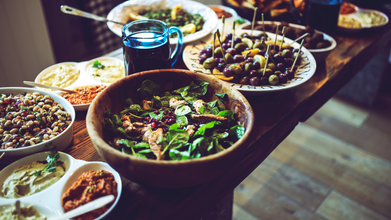
Credits: Canva
Do foods impact our mood and how we feel? For some of us, cake makes us happy, for others, a bowl of salad. But, is there really a connection? For years, we have thought that foods like pizza, a cake, or something that is quick and can be made instantly makes us happy.
But experts argue that this belief is less science and more savvy advertising.
“People are like walking wallets to food companies,” Felice Jacka, Director of the Food and Mood Centre at Deakin University in Australia tells this to NPR. “They sell you this myth that eating these foods will make you feel good.”
In reality, these foods can mimic a short-lived high , a bit like champagne, she says. “Feels good in the short term, but the long-term impact is the opposite.”
How Does Food Shape Your Mood?
Over the past 15 years, Jacka and other researchers have built the field of nutritional psychiatry, exploring how diet influences mood and mental health. Their findings are clear: while some foods lift your mood and protect against depression, others do the exact opposite.
Ultraprocessed foods or UPFs, which packed with refined sugars, white flours and additives, fall firmly in the mood-draining category. People often feel anxious, irritable or lethargic a few hours after eating them.
Speaking to NPR, Dr Kara Margolis, a pediatric gastroenterologist at New York University tells that she sees this link regularly. “Some weekend mornings, I go to a diner and have a waffle. By 10 o’clock, I feel terrible,” she says.
Long-term patterns matter even more. “Large epidemiological studies show a 20% to 30% higher risk of depression when diets are high in ultraprocessed foods and refined carbohydrates,” Margolis adds.
At the same time, several controlled trials reveal that cutting these foods out and replacing them with whole, minimally processed foods helps reduce depression symptoms. The paradox? When people believe ultraprocessed foods make them happy, they tend to eat more of them.
The Gut–Brain Connection
If sugary treats aren’t true “happy foods,” then what is? Scientists are still mapping this connection, but one strong contender keeps emerging: whole grains.
“Whole grains seem to be particularly important,” says Jacka. Their power comes from fermentable fiber, which feeds beneficial gut bacteria. When these microbes digest fiber, they produce molecules that reduce inflammation, improve insulin sensitivity and strengthen gut-brain communication, all factors linked to better mood.
“Making the environment in your gut right for good bacteria not only can affect mood, but it can protect you from nearly every medical condition that’s been studied,” says Margolis, citing heart disease and diabetes among them.
As the holiday season approaches, what are the four ways one can eat food that makes us happy, but for a longer period of time.
Four Ways To Eat For a Happier Holiday Season
Cook at Home More Often
Jacka says there are two independent ways to influence mood through diet, and the first is: cut back on ultraprocessed foods.
That includes foods with artificial sweeteners, refined carbs, preservatives, emulsifiers (like xanthan gum or soy lecithin), and artificial flavors.
During the holidays, skip store-bought pies, pastries and fast-food burgers. Jacka suggests making a “beautiful flour-free cake using almond meal and honey. It’s still sweet, but much better for your mood.”
Make the Holidays Less ‘White’
The second strategy: increase whole grains.
Swap croissants and sugary cereals for oats or brown-rice congee. Choose corn tortillas over flour ones. Switch biscuits and white rolls for 100% whole-wheat versions. Even baking can be tweaked, use oat, barley or whole-wheat flour.
Add Beans and Lentils
Another powerful source of fermentable fiber is legumes.
“Your microbiome loves beans,” says Dr Meroë Morse of MD Anderson Cancer Center, as reported in NPR. Even a small amount, a quarter cup of cooked beans, can deliver a significant fiber boost.
Speaking to NPR, Hannah Holscher, microbiome scientist and dietitian at the University of Illinois Urbana-Champaign, recommends tossing beans or lentils into soups, curries or chili. Lentils cook quickly and are cost-effective, making them an easy daily addition.
Increase Slowly
Beans, lentils and dense whole grains can be intense for an unprepared gut. Holscher advises starting with small servings and increasing gradually. Soaking beans or trying different varieties may also help minimize bloating.
Other fermentable-fiber foods, chia seeds, berries, pears, apples, avocados and even unripe bananas, can round out your fiber intake.
Mediterranean Diet Can Protect Against Adult-Onset Asthma, Study Finds
Credit: Canva
Asthma is usually associated with children. However, a large number of adults are diagnosed with asthma later in life, known as adult, onset asthma. A sharp contrast to childhood asthma, adult cases can be more long, lasting, difficult to control and very much influenced by environmental and lifestyle factors.
Smoking, air pollution, and workplaces are three known risk factors, but experts in the field are opening up the research to include diet as a possible factor that can be changed. New research indicates our diets may play a big role in asthma development and following a Mediterranean diet may significantly lower overall risk by nearly 50 percent.
The World Health Organization estimates that over 260 million individuals globally suffer from asthma.
What Is the Mediterranean Diet?
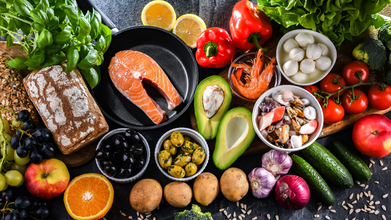
The Mediterranean diet is inspired by traditional eating patterns in countries bordering the Mediterranean Sea, particularly in places like Spain, Greece and Italy. It recommends eating:
- Fruits and vegetables
- Whole grains
- Legumes and nuts
- Olive oil as the primary fat source
- Moderate fish consumption
- Limited red and processed meats
This diet is well known for its cardiovascular benefits and its strong anti-inflammatory and antioxidant properties have prompted scientists to explore its impact on respiratory health.
The Study That Sparked Attention
A large, scale prospective study through the Seguimiento Universidad de Navarra (SUN) Project aimed at finding out if a Mediterranean diet could lower asthma in adults. The project, done by the team at Universidad de Navarra, included data from more than 17,000 university graduates who were tracked for almost 13 years in Spain.
The study participants did not have asthma at the time of registration. Their food intake was assessed through a validated Mediterranean Diet Score (scale of 0 to 9), and incidences of asthma were recorded with the help of follow, up questionnaires.
The study showed that people sticking to the Mediterranean diet the most became adults with asthma 42 percent less than those who followed the diet the least. Additionally, after changing for confounders like age, smoking, physical activity and BMI, this protective effect was still significant from the statistical viewpoint.
The study results were covered by EMJ Reviews and appeared among respiratory research publications, thus attracting the attention of the makers of the next major public health policy measure.
Why Does Diet Affect Asthma?
Essentially, asthma is an inflammatory disease as chronic inflammation of the airways causes the narrowness of the bronchi which results in symptoms. The Mediterranean diet is rich in:- Omega-3 fatty acids from fish, which help regulate inflammatory pathways
- Polyphenols and antioxidants from fruits and vegetables, which reduce oxidative stress
- Healthy monounsaturated fats from olive oil, which may support immune balance
What To Remember
The results are promising but one should keep in mind that this was an observational study. This means that the researchers found associations but not direct cause, and, effect relationships. Diet was self, reported, and although the researchers made adjustments for various confounding factors, there is always a possibility of residual bias.Some previous cohort studies have yielded inconsistent results, and experts concur that randomized controlled trials would produce more reliable evidence.
The Bigger Picture
Despite the different restrictions, the investigation still contributes to the increasing volume of literature indicating that diets affect not only cardiac health or body weight but could have impacts on lung health as well. Since diet is a changeable element by an individual, encouraging Mediterranean, type eating habits might be considered among the comprehensive approaches for forestalling chronic inflammatory diseases, such as asthma.Though additional research is necessary to be sure, the main idea is increasingly conspicuous: our diet today might determine our respiratory health over the next several years.
FSSAI Reveals Key Tips To Keep Your Kitchen Healthy – How To Spot High Quality Vegetables?
(Credit - Canva)
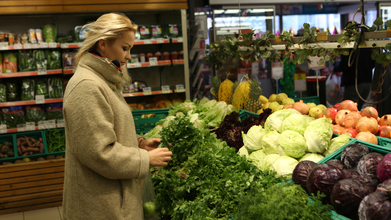
FSSAI (Food Safety and Standards Authority of India) has recently shared how one can spot ‘vegetables gone wrong’ before you bring them to your home.
When it comes to health, eating right plays a huge role, and that starts with bringing the right ingredients home. Even though fruits and vegetables are healthy, spotting the signs of spoiled items can be difficult. You could easily bring home bacteria and even dangerous germs like Salmonella, E. coli, and Listeria, according to the US Food Safety department.
Food safety is simple if you keep these key things in mind, according to FSSAI.
How To Buy Fresh Fruits & Vegetables?
Start with the "touch test"
Always choose fruits that are firm and solid. If you feel soft spots, it usually means the fruit is starting to rot or was bruised during transport, which invites bacteria. Check the skin for deep cracks or holes, as these are open doors for pests.
For citrus fruits like lemons and oranges, weight is the best secret. If it feels heavy for its size, it is full of juice; if it feels light and "puffy," it is likely dry inside. Finally, don't worry about green spots on the skin; they are often just natural color marks and don't change the sweet taste inside.
How To Spot Good Root And Tuber Vegetables?
Vegetables that grow underground, like carrots, beets, turnips, and sweet potatoes, should feel as strong as the earth they came from. When you pick them up, they should feel heavy and very firm to the touch.
If a carrot feels "bendy" or rubbery like a piece of plastic, it has lost its internal moisture and will be tough and tasteless rather than crunchy.
While it is tempting to grab the biggest vegetable in the pile, the "size secret" is that smaller roots are actually better. Smaller ones are usually younger, which makes them naturally sweeter, more tender, and less "woody" or fibrous when you cook them.
Can You Spot Good Grapes?
Grapes are very delicate because they stop ripening the moment they are clipped from the vine. To find the freshest bunch, use the "attachment rule": give the bunch a very gentle shake.
The grapes should stay firmly attached to their stems. If they fall off easily, it is a sign the fruit is old and losing its flavor. Next, look closely at the "skeleton" or the stems of the bunch.
You want to see stems that are green and flexible, which proves they were harvested recently. If the stems look brown, dry, or brittle, the grapes will likely be sour, mushy, or lacking that fresh pop.
How To Spot High Quality Onions?
Since onions are the base for almost every meal, picking a bad one can ruin your entire dinner. A high-quality onion should feel heavy and rock-solid all the way around, especially near the "neck" at the top.
When you give it a gentle squeeze, it should not give way or feel "hollow." If an onion feels soft or squishy, it is likely rotting on the inside where you can’t see it. Also, check for any green sprouts growing out of the top.
Sprouting means the onion is aging and using up its energy, which makes the layers inside lose their crispness and punchy flavor.
This At-Home Test Reveals Whether Your Jaggery Is Adulterated

Credit: TOI
Jaggery or, also commonly known as Gurr, is considered the best alternative to white sugar however, more than often, headlines such as "adulterated jaggery has been seized" dominates our daily new.
Despite its popularity and varying uses, it is one of the most commonly adulterated foods mixed with components like baking soda, washing soda or chalk powder. But now the food Safety and Standards Authority of India (FSSAI) shares how we can do a test at home to determine jaggery adulteration with baking soda.
How To Do A Home Test?
The home test can help you find out if your jaggery has been altered with baking soda. Follow the steps below:1. Take one 1/4th of a teaspoon of crushed jaggery in a glass container or test tube.
2. Now, add 3 ml of HCL acid, also known as hydrochloric acid, in a container or test tube.
3. If you see bubbles are formed, your jaggery
According to the agency, sodium bicarbonate (baking soda) reacts with acid in the natural sweetener and releases carbon dioxide in the form of bubbles.
FSSAI advises that while home tests can help identify basic forms of adulteration, they are not a substitute for laboratory testing. Only certified labs can conclusively determine the purity of jaggery and detect multiple adulterants at once.
What Are The Side Effects Of Consuming Adulterated Jaggery?
There are many side effects of consuming adulterated jaggery, as components such as baking soda or washing powder are highly alkaline. They may not affect one-time consumption, which can cause short-term health risks, such as:1. Chemical burns in the mouth, throat, and stomach lining.
2. Severe acidity
3. Vomiting
Long-term health risks may involve:
1. Organ failure: Chronic ingestion of industrial dyes and soda puts extreme oxidative stress on the liver and kidneys, which are responsible for filtering these toxins. This can lead to permanent scarring (fibrosis).
2. Hormonal imbalance: Reports from the FDA in 2025 noted that jaggery packaged in low-grade heated plastic releases phthalates and dioxins, which act as endocrine disruptors, affecting reproductive health.
3. Hidden sugar spike: Since white sugar is a common adulterant, individuals with diabetes who consume jaggery as a "safe" alternative may experience life-threatening spikes in blood glucose levels.
- Follow Us :


© 2024 Bennett, Coleman & Company Limited