
- Health Conditions A-Z
- Health & Wellness
- Nutrition
- Fitness
- Health News
- Ayurveda
- Videos
- Medicine A-Z
- Parenting
Healthy, Fit, On A Budget: Simple College Meal Plan For Students
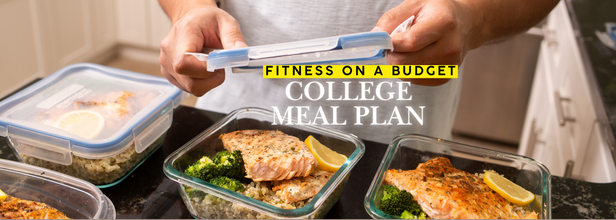
Healthy, Fit, On A Budget: Simple College Meal Plan For Students
When my nephew announced his decision to attend college next term, everyone in the family was ecstatic. However, amidst the excitement, one thing caught my attention – his attention to his fitness and diet routine. No ramen noodles and late-night pizza runs for him. Instead, he planned to have a meal fitting his expectation under the fitness while staying within a tight budget.
This led me to the idea of how fresh bachelors can be healthy and fitness conscious, even in this busy, tight-budget college life.
Two kinds of diets seem to haunt a college-going individual:
- College Meal Programs – Canteens are the prime source of food. The varieties range from oily treats to the relatively healthier ones like grilled chicken and fresh salads.
- Cooking for Yourself – For those who do have a kitchen, meal preparation on a budget is the primary challenge, requiring planning and budgeting.
Macronutrients-protein, carbohydrates, and fats - are the three main components of a balanced diet. Balanced meals will be crucial for both bulking and maintaining your physique regardless of your purpose.
Here’s a simple breakdown of how to approach your meals:
With Breakfast Start Strong
In the dining hall seek the following:
- Egg, egg whites, Greek yogurt.
- Oatmeal, whole-grain cereals, or home fries (in moderation).
If you are planning to cook in your dorm room, stock up with:
- Oats, which are easy to microwave and add a scoop of whey protein to for a healthy combination.
- Nut butter and bananas for added nutrition.
- Eggs for quick scrambles or boiled snacks.
Lunch is the Fuel for Your Day
In the dining hall:
- Use lean protein like grilled chicken or turkey.
- Pair proteins with healthy carbohydrates such as rice, quinoa, or whole-grain bread.
- Add fresh veggies and fruits from the salad bar for micronutrient benefits.
Indulgences are going to include one or two days a week when you permit yourself comfort foods, like burgers or fries. So the other days balance this out.
Keep Your Dinner Balanced and Filling
Look for: - High protein options including baked fish, chicken, or alternative plant-based proteins. - Veggies — whether steamed, sautéed, or fresh from the salad bar. - Complex carbohydrates such as sweet potatoes or brown rice, scaled to your caloric needs.
Snacking Sensibly
Snacks are a college student's BFF, but only if you snack wisely. Stock your dorm with these must-haves
- Protein bars or whey protein powder.
- Nuts and trail mix when you run low on energy
- Granola bars and cheese sticks as an on-the-go snack.
- Fresh fruit in the dining hall for a perfect peanut butter treat.
Practical Tips to Help You Stay on Track at College
- Plan Your Meals: Knowing your schedule helps you avoid those unhealthy impulsive decisions.
- Portion Control: Pay attention to portion sizes, especially with regard to higher calorie foods. Avoid Junk Food As An Occasional Treat, Not A Cuisine Staple In Your Life. Emphasis on Proteins: Aim at one or more quality sources of proteins in every meal, which will help in the growth and repair of muscles.
It doesn't have to be this drab duty to remain fit and healthy. Fit into your college jeans, eat healthy, and have an amazing college experience. There's grilled chicken in the dining hall and peanut butter and banana sandwiches from your dorm room. The nice thing is that building the perfect meal plan is not only doable but also easy on the wallet.
Can Matcha Cause Infertility? Explains Expert
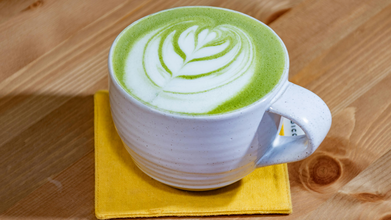
Credits: Canva
Matcha has quickly become one of the trendiest drinks among young adults in India. From cafés to home kitchens, the bright green powder now appears in lattes, smoothies, desserts and wellness drinks. Many people see it as a healthier alternative to coffee, especially because of its antioxidant properties and calming effect.
The popularity of matcha has also been fueled by celebrities and social media influencers who often promote it as a superfood. However, as the drink gains popularity, questions have also started circulating online about whether matcha could affect fertility.
Experts say the concern needs careful understanding rather than panic.
Why matcha has become so popular
Matcha is a finely powdered form of green tea made from specially grown tea leaves. Unlike regular green tea, where the leaves are steeped and then removed, matcha involves consuming the entire leaf in powdered form mixed with water or milk.
Because of this, matcha contains a higher concentration of antioxidants, caffeine and plant compounds known as catechins. These compounds are associated with several potential health benefits, which is one reason the drink has attracted so much attention.
Dr Rashmi Agarwal, Fertility Specialist at Nova IVF Fertility in Gurugram, says that while matcha can be part of a healthy lifestyle, the key issue is how much people consume.
“Matcha itself does not directly cause infertility. However, excessive consumption may have an indirect impact on reproductive health,” she explains.
The role of caffeine
One of the main reasons experts advise moderation is the caffeine content in matcha.
Although matcha is often seen as gentler than coffee, it still contains caffeine. Drinking several cups a day can increase overall caffeine intake.
Dr Agarwal notes that “high caffeine intake may affect hormone balance and fertility in some individuals.”
Caffeine can influence hormonal regulation in the body. In women, excessive intake may affect ovulation, while in men it may have an impact on sperm quality.
This does not mean that occasional matcha consumption harms fertility. Problems may arise only when it is consumed in very large amounts over a long period of time.
Sleep and stress can also play a role
Another indirect factor linked to high caffeine intake is sleep disturbance.
Dr Agarwal explains that drinking large quantities of matcha, particularly later in the day, may interfere with sleep patterns because of its caffeine content.
Poor sleep and chronic stress can disrupt hormone levels in the body. Over time, this imbalance may contribute to fertility problems.
Maintaining proper sleep cycles and managing stress are both considered important for reproductive health.
The risk of replacing proper nutrition
Experts also point out another modern lifestyle pattern linked with trendy beverages.
Dr Agarwal says some people rely heavily on drinks such as matcha lattes or wellness beverages while neglecting balanced meals.
“Sometimes people replace balanced meals with trendy drinks like matcha lattes. This may lead to nutritional deficiencies that can affect reproductive health,” she says.
A healthy diet that includes proteins, healthy fats, vitamins and minerals plays an essential role in supporting fertility.
Moderation is the key
According to fertility experts, there is no evidence that moderate matcha consumption causes infertility.
Dr Agarwal recommends limiting intake to about one cup a day. In moderate quantities, matcha is generally safe and can even provide antioxidant benefits.
For individuals planning a pregnancy or dealing with fertility issues, discussing dietary habits with a doctor can be helpful.
Along with mindful caffeine intake, maintaining a balanced diet, exercising regularly and managing stress remain the most reliable ways to support reproductive health.
Weight Loss Diet: 6 Filling Indian Breakfast Foods With Less Than 300 Calories

Indian breakfast foods usually comprise paranthas, puri and bhatura. However, we recommend some weight loss-friendly choices. (Photo credit: iStock)
New Delhi: Lustrous curries, flavourful breads, and delectable condiments—that is Indian food for the whole world. This cuisine holds a special place in the hearts of many, even the not-so-desi crowd. The cloud to this silver lining, however, is the fact that Indian food also ranks among the unhealthiest cuisines in the world. The striking flavours that it has to offer have, over time, made India the diabetes capital of the world. With rising diabetes and obesity incidence, it is time to turn to the healthier side of Indian cuisine—especially for breakfast.
Read more: 5 Scientifically Proven Sustainable Tips to Lose Weight Fast
In a country where a large chunk of people like to start their day with paranthas, puri, and pakoras, it is time to turn to healthier breakfast options with a relatively lower calorie count. Here, we enlist the top 6 Indian breakfast foods that can work wonders not only to keep your calorie intake low but also to support weight loss goals in the long run. With less than 300 calories and a whole pool of nutrients on offer, here is what you can have for breakfast on a weight loss diet.
Read more: Are You Losing Weight Or Muscle Mass? What Does Healthy Weight Loss Look Like?
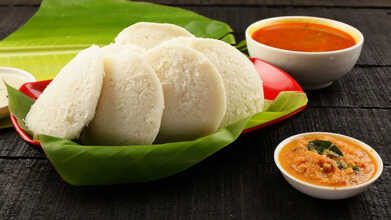
Steamed idli: Steamed idli is one of the best ways to ensure that your breakfast is healthy, filling, and also weight-loss-friendly. Idli served with coconut chutney or sambar gives 150–200 calories per serving (2–3 idlis). The fermented rice cake is gut-friendly, low in calories, and easily digestible, especially when paired with high-fibre sambar.
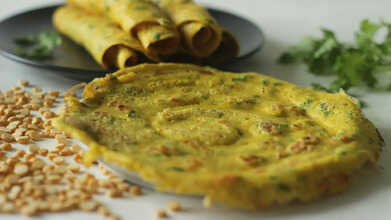
Moong dal chila: One of the best ways to keep your protein intake high for breakfast, without relying completely on eggs, is by eating moong dal chila. This lentil-based pancake is savoury and delicious, and due to its nutrient composition, it can make you feel satiated in a single serving. It is high in protein and promotes satiety. It provides around 200 calories per chila.
Uttapam: Made from semolina and lots of vegetables, sometimes even a millet base such as ragi or jowar, this delicious South Indian breakfast food will not just satiate you but also support your weight loss efforts. Per pancake, uttapam can provide 150–200 calories, depending on the ingredients used.

Daliya: As much as this might sound like a sad breakfast option, especially when one is counting on the unique flavours of Indian cuisine, daliya can be made tastier. Also known as broken wheat porridge, this dish is high in fibre and works wonders for better digestion. Each serving will help you keep the calorie count below 200 while also ensuring that you stay satiated.
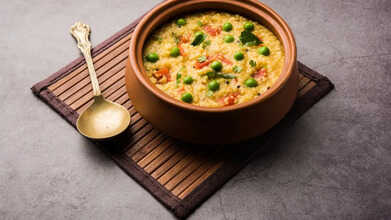
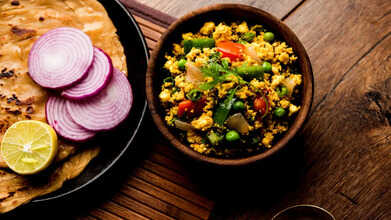
Paneer bhurji and roti: Paneer, or cottage cheese, is a fresh cheese that is high in both protein and fats. It is one of the most recommended foods when it comes to designing a weight loss diet plan. For breakfast, before kicking off a long and demanding day, it is advised to enjoy this with one roti—this way, you can keep the calorie intake low while getting ample protein to start your day.
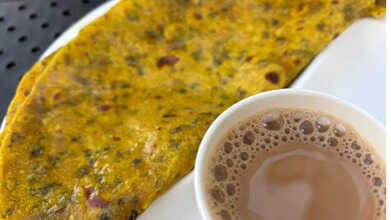
Methi thepla: A Gujarati delicacy, this thin flatbread contains fenugreek, fibre, minerals, and carbohydrates that provide energy. When it comes to Indian breakfast foods, it could be one of the best choices for keeping it light while also being filling.
Shocking! Eating One Whole Pack Of Chips Daily Raises Stroke Risk By 67 Per Cent

Binge eating chips does you no good, and a study has decoded why. (Photo credit: iStock)
New Delhi: No time to cook? A pack of chips and cookies can come to the rescue—but how healthy is this practice? Unfortunately, it is a world where many prefer the more convenient choice for food and drink, something that requires almost no effort. But little do we realise that this habit of trying to keep things convenient can backfire in the long run. Ultra-processed foods such as chips, cookies, and sodas can give your taste buds a treat, but at a very high cost. Your favourite packaged foods, even if they say 'no sugar' or 'fat-free' on the label, are loaded with sweeteners and preservatives that do little good in the long run. How much does it take to give you a stroke? Let's find out.
Read more: Young Cancer Cases on the Rise: Is Junk Food + Sedentary Life to Blame?
According to experts at the University of Texas Health Science Center, ultra-processed foods are associated with a heightened risk of heart disease. Studies strongly recommend sticking to a safe limit when consuming these foods, as going overboard can backfire in unpredictable ways. Not only do these foods spike cholesterol, but they can also silently result in weight gain, blood sugar fluctuations, and even obesity-driven type 2 diabetes.
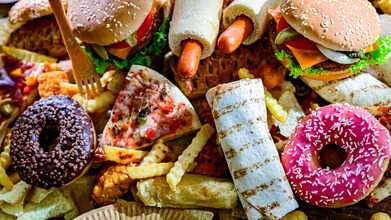
What is the impact of eating processed foods in excess?
Several studies have been conducted in this area, and it turns out that eating ultra-processed foods is associated with 32 health conditions. Experts say that one of the best ways of understanding this is through the analogy of corn—on the cob, it is unprocessed, but the moment it is canned or turned into corn crisps, it enters the unhealthy food category.
A new study from the American College of Cardiology (ACC) has found that nine servings or more of such foods in a day could increase the risk of heart attack and stroke by a whopping 67%. Furthermore, every additional serving increases the risk of life-threatening complications by approximately 5%. This may lead many to believe that nine servings is an inflated number; however, many people easily surpass this on a daily basis. For instance, a standard serving of chips is 30 grams, which amounts to 15 crisps. A regular pack of chips, however, is about 150 grams, which can easily exceed the safe limit.
The study, presented at the ACC's Annual Scientific Session, examined data from approximately 7,000 adults collected between 2000 and 2012, with questionnaires assessing how many portions of UPFs one consumes in a day. For this, researchers referred to the NOVA classification system, which categorises food into four groups—minimally processed, unprocessed, lightly processed, and ultra-processed.

Participants who ate the most processed foods consumed about 9.3 servings per day on average. People in this group were 67% more likely to die due to stroke or coronary heart disease, heart attack, or cardiac arrest. Yet, some researchers stressed that regardless of the calories consumed in a day, the risks associated with UPFs were about the same. Overall, every daily serving was associated with a 5.1% rise in the risk of adverse cardiac events.
How to spot ultra-processed foods?
Experts say that the key rule of thumb for spotting UPFs is to look for ingredients that you would never purchase for your own kitchen. These may include ingredients such as:
- Artificial colours
- Artificial sweeteners and thickeners
- Corn syrup
- High-fructose corn syrup
- Hydrolysed proteins
While the supermarket is stocked with ultra-processed foods, it is advised to ensure that at least 80% of your diet comprises minimally processed foods like fruits, vegetables, fresh meat, legumes, whole grains, nuts, and seeds.
- Follow Us :


© 2024 Bennett, Coleman & Company Limited