
- Health Conditions A-Z
- Health & Wellness
- Nutrition
- Fitness
- Health News
- Ayurveda
- Videos
- Medicine A-Z
- Parenting
- Web Stories
Intermittent Fasting And Its Effects On Digestive Function

Credits: Canva
On World Digestive Health Day, which is a reminder that a healthy digestive system is the key to overall health and quality life, we spoke to Dr Subhasish Mazumder, who is the senior Director of gastroenterology at Max Super Speciality Hospital, Vaishali. In our conversation, we talked about the growing trend of intermittent fasting and how people can often get it wrong.
Dr Mazumder, in length talked to us about what must we keep in mind while on fast, especially intermittent fasting.
Before we get into it, let's first understand what exactly is intermittent fasting?
Intermittent fasting (IF) has rapidly gained popularity for its potential benefits on weight management, metabolic health, and even longevity. "However, as more people adopt this approach, it’s not uncommon to hear complaints of digestive discomfort—bloating, acidity, headaches, and more—especially in the early stages," says Dr Mazumder.
Here's edited excerpts from the conversation:
Why Do Bloating, Gas, or Acidity Occur During Fasting?
Though IF offers the digestive system a period of rest, paradoxically, some individuals experience symptoms like bloating, gas, or acidity. This can occur for several reasons. Firstly, an empty stomach may lead to a build-up of stomach acid, especially in those predisposed to acid reflux. Secondly, when the body shifts from a fed to a fasted state, changes in gut motility and bacterial activity can cause gas accumulation.
Another factor is what one eats during the eating window. Consuming high-fibre or overly processed meals too quickly after breaking a fast can overwhelm the digestive tract, leading to bloating.
How to ease symptoms:
Here's what Dr Mazumder suggests:
- Stay hydrated with water or herbal teas (peppermint and ginger are particularly soothing).
- Break your fast with a small, easily digestible meal—think fruits or warm bone broth—before transitioning to a larger meal.
- Avoid overeating or rushing meals during the eating window.
- Include probiotics through fermented foods like yoghurt or kefir to support healthy gut flora.
Fasting Headaches: What Causes Them and How to Cope?
Headaches are a common side effect in the early days of intermittent fasting. These are often linked more to blood sugar fluctuations and caffeine withdrawal than digestion. As the body adapts to longer periods without food, glucose levels drop, sometimes triggering headaches. Dehydration can further exacerbate the issue.
Tips to prevent fasting headaches:
Here's what the doctor suggests:
- Ensure you are drinking enough water—sometimes headaches are simply a sign of mild dehydration.
- Consider adjusting caffeine intake gradually if you're cutting down.
- Add a pinch of sea salt to water or consume electrolyte-rich fluids to maintain balance, especially in longer fasts.
- Give your body time to adapt—most people find symptoms ease within the first week or two.
What are the Long-Term Effects of Fasting?
Emerging research indicates that intermittent fasting may have a positive impact on gut health in the long term. Periods of fasting can give the digestive system a break, promoting a process called the "migrating motor complex" (MMC), which sweeps residual food and bacteria through the gut, aiding in regular bowel movements.
Moreover, fasting appears to support microbial diversity, which is essential for a balanced microbiome. This can be particularly beneficial for those with symptoms of irritable bowel syndrome (IBS) or leaky gut, as it may reduce inflammation and support intestinal healing.
That said, outcomes vary among individuals, and the benefits are most notable when combined with a nutrient-dense, fibre-rich diet.
Why do women have a complex relationship with intermittent fasting?
When it comes to women, hormonal fluctuations make the impact of fasting slightly more complex. Some women report irregular cycles, mood swings, or digestive discomfort when adhering to strict fasting schedules. This is often due to the sensitivity of the female hormonal axis to caloric restriction.
Women may benefit from a gentler approach—such as a 12:12 or 14:10 fasting window—and prioritising nourishing, hormone-supportive foods. Listening to one's body is key. If fasting causes fatigue, digestive upset, or menstrual changes, it may be worth adjusting the approach or consulting a healthcare professional.
Protective strategies for women:
- Avoid extended fasting during high-stress periods or intense exercise regimens.
- Ensure adequate intake of healthy fats, protein, and micronutrients.
- Consider fasting only on alternate days or during certain parts of the menstrual cycle.
Are Coffee, Lemon Water, and Herbal Teas Truly Safe During a Fast?
One of the most debated topics in fasting circles is what beverages can be safely consumed without “breaking” the fast or compromising digestive health. From a strict caloric standpoint, black coffee, lemon water, and unsweetened herbal teas typically don’t disrupt fasting. But from a gut health perspective, nuances exist.
Black coffee, though calorie-free, can stimulate acid production and irritate sensitive stomachs, particularly when consumed on an empty stomach. Lemon water is usually gentle and may even aid digestion slightly. Herbal teas—especially those with carminative herbs like fennel, chamomile, or peppermint—can soothe the digestive tract and support fasting.
Doctor's Opinion
- Choose herbal teas if prone to acidity.
- Use lemon water in moderation to freshen the palate and stimulate digestion.
- Limit coffee if it causes heartburn or jitters.
Intermittent fasting holds promise for digestive and overall health, but it’s not a one-size-fits-all solution. Paying attention to how your body responds, supporting your gut with wholesome foods, and adjusting protocols based on your unique needs—especially for women—can help you reap the benefits without the discomfort. Always consider speaking with a healthcare provider before making significant changes to your diet or lifestyle.
Is The Viral Wellness Trend ‘Fibremaxxing’ Helping Or Harming Your Gut?
Credits: CANVA
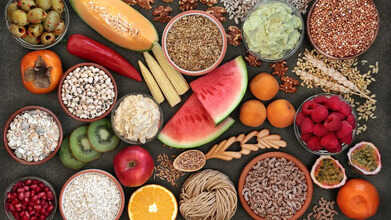
Tiktok fibremaxxing wellness trend: There is no shortage of wellness trends online that claim to transform your health, but a new one has taken over social media with a focus on gut health. It’s called “fibremaxxing,” and its premise is simple: eat more fibre to improve digestion, metabolism, immunity, and lower the risk of disease. On TikTok and Instagram, the trend often appears as colourful lentil bowls, chia puddings, and smoothies loaded with leafy greens and flaxseeds. But how much of this viral trend is actually backed by science?
The idea of increasing both soluble and insoluble fibre isn’t new, yet fibremaxxing has made it trendy again—and this time, for good reason. Fibre is vital to everyday health, supporting everything from steady blood sugar to regular bowel movements. Here’s what experts say about this growing movement and why fibre truly matters.
What Is Fibremaxxing?
Fibremaxxing is a social media movement that encourages people to boost their fibre intake by adding more fruits, vegetables, legumes, and whole grains to every meal. The goal is to improve digestion, promote fullness, and support long-term health. According to Dr. Urvi Shah, a board-certified hematologist-oncologist and physician at Memorial Sloan Kettering Cancer Center, the concept behind fibremaxxing is largely rooted in scientific evidence. Dr. Shah, who is leading multiple studies on high-fibre plant-based diets, notes that the approach aligns well with established nutrition research.
Is ‘Fibremaxxing’ Good Or Bad For Your Gut?
High-fibre diets are consistently linked to a wide range of health benefits, from lowering the risk of heart disease, diabetes, and colon cancer to aiding weight control and gut function. That’s why Dr. Shah believes fibremaxxing gets several aspects right.
She explains that including a wide variety of plant-based, high-fibre foods is essential because “different fibre types feed different microbes.” A diverse diet helps nurture a balanced microbiome. She adds that the trend’s emphasis on whole foods rather than processed or fibre-enriched items is a major plus. “Whole plants provide fibre, polyphenols, and micronutrients that work together to support the gut,” she says. Prebiotic-rich foods also help shape a healthier microbiota and increase the production of beneficial short-chain fatty acids like butyrate, which has “anti-inflammatory and anti-cancer effects.”
Simply put, upping your fibre intake through natural, unprocessed foods, rather than supplements, can make a real difference to gut health.
What’s The Daily Recommended Amount of Fibre Intake?
Experts suggest that adults should consume between 25 and 30 grams of fibre each day. Men typically require more (around 38 grams), while women need about 25 grams. These numbers can vary depending on age, sex, and calorie intake, but a general guideline is 14 grams of fibre for every 1,000 calories eaten, according to Harvard Health.
How To Add Fibre To Your Diet?
Plant-based foods are the easiest way to increase your fibre intake, this could mean starting your morning with oats or simply adding more vegetables to your meals. Dietitian Laura Tilt notes that several everyday foods are surprisingly high in fibre:
- Rolled porridge oats – 4.5g per 50g (half cup)
- Canned chickpeas – 7g per half can
- Seeded bread – 5g per two slices
- Canned lentils – 6g per half can
- Frozen peas – 4.5g per 80g (3 tbsp)
- Frozen raspberries – 5.5g per 80g (3 tbsp)
- Wholemeal pasta – 6.5g per 75g serving
- Dried apricots – 3g per 3–4 pieces
- Reduced salt/sugar baked beans – 7.5g per half can
- Mixed milled seeds (flax, pumpkin, chia) – 4.5g per 25g
Is Fibremaxxing Helpful?
There’s no doubt fibre plays an essential role in maintaining good health. But like any nutrient, too much of it can cause problems if not balanced properly. A sudden surge in fibre intake without enough water can lead to bloating, gas, constipation, dehydration, or even trigger IBS symptoms. Over-focusing on fibre might also cause you to overlook other nutrients your body needs. The key is moderation, fibre is beneficial, but it works best as part of a balanced, varied diet.
Why Cant I Digest Milk, But Can Easily Eat Yogurt?

Credits: Canva
If you landed here, the reason is that you are also someone who cannot tolerate milk, but loves yogurt, and are probably wondering why is that?
The logic is that if you have lactose intolerance, you won't be able to digest any dairy product, but with yogurt, your life is easy. The answer lies in the components of the two various dairy products that come from the same source.
Why Can't You Digest Milk?
The reason is because you are lactose intolerant. This is a condition that makes it hard to digest the sugar in milk and milk products, called lactose. People with lactose intolerance could have diarrhea, gas and bloating after they consume milk. While this condition is usually harmless, it can cause discomfort.
This happens because the enzymes in the small intestine, called lactase is responsible for lactose intolerance. If someone has too low levels of lactase, the person can become lactose intolerant.
The small intestine and colon are parts of the digestive tract, which processes the foods you eat. The intestine pull out nutrients from the food and whatever is not absorbed by the intestines continues along the digestive tract and is expelled as stool during a bowel movement.
But Why Can You Digest Yogurt, If You Cannot Digest Milk?
The answer to this lies in the fermentation process that turns milk into curd and breaks down much of the lactose, which is the sugar, that is often difficult to digest. The probiotic bacteria used to make curd contain their own lactase, which helps in the breakdown of lactose, and this can further help with digestion even for those who do not produce enough lactase on their own.
Furthermore, during fermentation, the bacteria in curd, called the Lactobacillus bulgaricus and Streptococcus thermophilus convert lactose into lactic acid, which is easier for the body to process. This helps your body to digest curd easily over milk. Since the bacteria contains lactase, which the milk lacks, some people may find it easier to digest curd or yogurt over milk.
The bacterial cells also physically protect their lactase, and it can work to break down the lactose from the curd as it passes through the digestive system.
Why Is Curd Gut-Friendly?
The key to a healthy gut health is lactobacillus, a kind of probiotic, which helps in digestion, suppression of disease-causing bacteria and treats constipation. It also is beneficial in treating irritable bowel syndrome. It breaks down sugar into lactic acid.
A study by a Bhubaneswar-based professor Balamurugan Ramdas also revealed that Bengal or Odisha's popular breakfast Panta Bhaat, which includes fermented cooked rice, also releases the same bacteria, that fermented milk releases and so it contains short-chain fatty acids, which are responsible for improving gut health and boosting immunity.
Furthermore, curd is known to balance the gut flora, probiotics improve digestion, and the absorption of nutrition. They also help in the breakdown of food, reducing issues like bloating, gas, and constipation. The probiotics in curd can help restore the natural balance in your gut, which can soothe an upset stomach and alleviate discomfort from indigestion. A healthy gut is closely linked to a strong immune system, and the probiotics in curd help to boost gut health, which in turn can enhance immunity.
Sourdough vs Regular Bread: Which One Is Actually Better For Your Gut?

Credits: Canva
Bread is a staple across most diets, but not all loaves are made the same. In recent years, sourdough has gained a reputation for being the “healthier” bread—praised for its tangy flavour, natural fermentation, and supposed benefits for digestion. But how much of this is true? Here’s what experts and studies reveal about how sourdough compares to regular bread in terms of health and nutrition.
What Makes Sourdough Different
Unlike most commercial breads that rely on baker’s yeast for quick rising, sourdough is made using a natural starter—a mixture of flour and water that ferments over several days. This starter contains wild yeast and lactic acid bacteria, which break down carbohydrates and gluten during fermentation.
According to the Harvard T.H. Chan School of Public Health, this slow fermentation process increases the bioavailability of nutrients like folate and magnesium while producing organic acids that give sourdough its characteristic tang. In contrast, regular white or whole wheat bread undergoes a much faster process, often with added yeast, sugar, and preservatives to speed up production.
Easier on Digestion
One of sourdough’s biggest advantages lies in how it affects the gut. The fermentation process partially breaks down gluten, making it easier for some people to digest compared to conventional bread.
A 2021 review published in the journal Food Microbiology found that lactic acid bacteria in sourdough can help reduce compounds called FODMAPs—a group of carbohydrates known to trigger bloating and discomfort in people with irritable bowel syndrome (IBS). This makes sourdough a potentially gentler option for sensitive stomachs, though it’s not suitable for those with celiac disease.
Better Blood Sugar Control
Another reason nutritionists often recommend sourdough is its effect on blood sugar levels. The acids produced during fermentation slow down the rate at which glucose is released into the bloodstream.
Research published in the Journal of Cereal Science noted that sourdough bread has a lower glycemic index (GI) than regular white or whole wheat bread. This means it causes a slower, more stable rise in blood sugar, something especially beneficial for people with diabetes or insulin resistance.
Nutrient Profile and Shelf Life
While both sourdough and regular bread contain similar calories and macronutrients, sourdough tends to have slightly higher levels of antioxidants and minerals because of the fermentation process. It also naturally resists mould growth, allowing it to stay fresh longer without artificial preservatives.
As per Cleveland Clinic dietitians, choosing whole-grain sourdough offers the best nutritional value, combining the fibre of whole wheat with the gut-friendly benefits of fermentation. On the other hand, refined white breads offer little fibre and are often fortified artificially.
The Bottom Line
Sourdough is not a miracle food, but it does stand out as a healthier and more digestible alternative to most commercial breads. Its fermentation process not only enhances flavour and texture but also supports gut health and stable blood sugar levels.
If you enjoy bread and want to make a more wholesome choice, opt for an artisanal or homemade sourdough made with whole grains and minimal additives. As nutrition experts often say, the real key is balance, pair your bread with fibre, protein, and healthy fats for a meal your gut (and taste buds) will thank you for.
- Follow Us :


© 2024 Bennett, Coleman & Company Limited