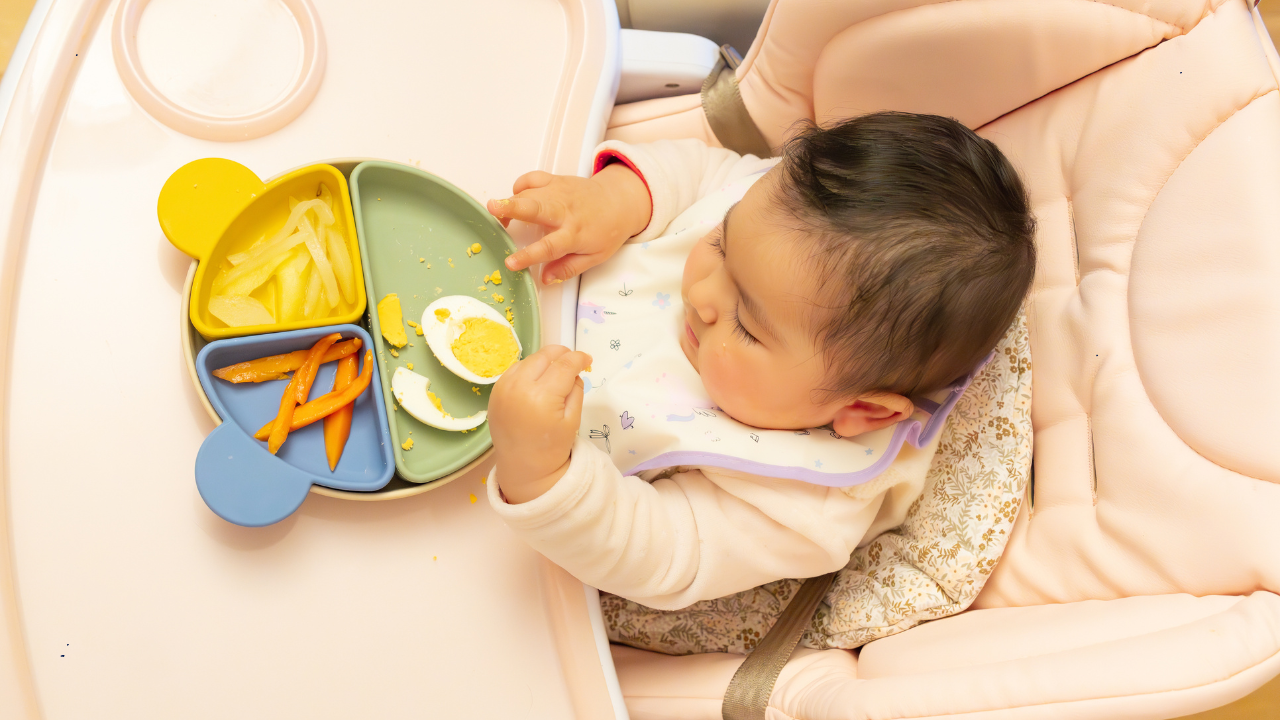
Eggs are a great source of protein. At the same time, they are one of the most common foods that cause allergies in children.A new study conducted in Australia showed that introducing eggs to children before the age of one may reduce the risk of allergy by 17 per cent. The findings were published in the journal JAMA Pediatrics.Jennifer Koplin, Associate Professor at the Child Health Research Centre at The University of Queensland, said: “Australia has one of the highest rates of food allergy in the world, with one in 10 infants allergic to one or more foods".To curb the allergy rates, the Australian infant feeding guidelines, issued by the Australasian Society of Clinical Immunology and Allergy in 2016, revolutionized allergy prevention by advising parents to introduce well-cooked egg and smooth peanut butter soon after starting solid foods, generally around six months of age.The research, led by a team from UQ and the Murdoch Children's Research Institute, examined 7,200 children in two Australian population-based studies to assess whether egg allergy rates had declined since the introduction of the guidelines. The risk of allergy decreased by 17 per cent among babies who started eating eggs early.“Most parents followed the guidelines, and these results provide reassurance that this advice will help reduce the chance of their child developing an egg allergy,” Dr Koplin said.Also read: I Ate Eggs And Toast For Breakfast Every Day—Here’s How My Body ReactedLesser Allergy In Infants With EczemaAccording to Associate Professor Rachel Peters of the Murdoch Children's Research Institute, the reduction in egg allergy was more pronounced in babies with eczema, a known risk factor for food allergies. Among these children, egg allergy rates were reduced from 35 per cent to 22 per cent.“The introduction of the 2016 guidelines was a major change from most advice given in the 1990s and early 2000s, which recommended parents delay giving eggs and other allergenic foods until 1–3 years of age if there was a strong family history of allergy,” Dr Peters said.Allergenic Foods Before Age OneOther common allergy-causing foods, such as cow's milk, fish, sesame, wheat, and tree nuts, are also recommended to be included in a child's diet before one year of age. Dr Koplin, however, urged for more research into food allergies.Read More: Eating Almonds Daily Can Prevent Cognitive Decline In Prediabetic AdultsCommon Symptoms of Egg AllergyAccording to the Mayo Clinic, egg allergy symptoms usually start a few minutes to a few hours after eating eggs or foods containing eggs. While egg allergies can occur as early as infancy, most children outgrow their egg allergy by age 16.Egg allergy symptoms can include:Skin swelling or itchy bumps called hives — the most common egg allergy reaction.Stuffy or runny nose and sneezing, also known as allergic rhinitis.Digestive symptoms such as cramps, upset stomach and vomiting.Asthma symptoms such as coughing, wheezing, chest tightness or shortness of breath.