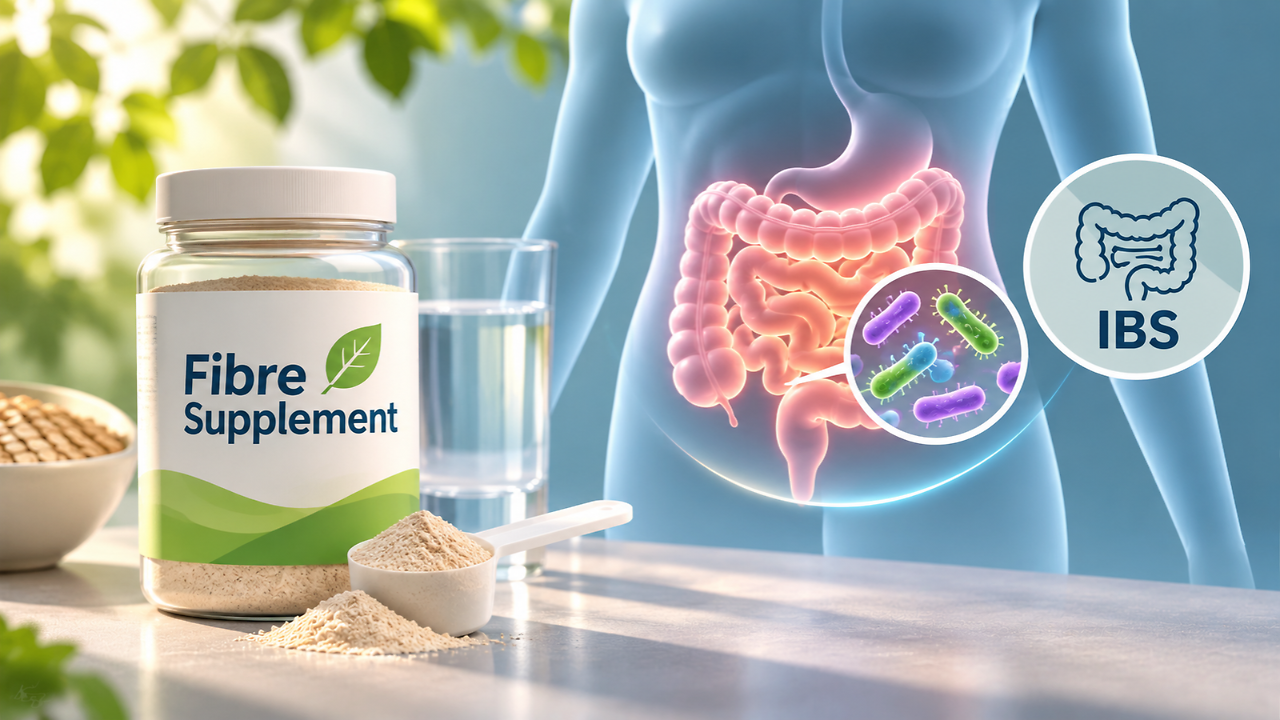
People living with irritable bowel syndrome (IBS) often face difficulties in balancing certain dietary components. Foods rich in fibre can support their gut health, but certain fermentable carbohydrates may trigger bloating, abdominal pain and changes in bowel habits. But researchers have tested a specially formulated fibre supplement that can help improve gut bacteria without aggravating common IBS symptoms.The study, conducted by researchers at Edith Cowan University in Australia, examined a supplement called ur gut®, which combines resistant starch and psyllium husk. The findings, published in the European Journal of Nutrition, suggest that the formulation improved the gut microbiome and reduced gut anxiety in people with IBS who were following a low-FODMAP diet.Participants did not experience a worsening of their digestive symptoms during the intervention. However, the researchers describe the findings as preliminary, as the trial involved only 26 participants and lasted three weeks. Increasing Fibre Be Difficult For People With IBSAlso read: IBS Is Not Just A Gut Problem: Lancet Review Explains The Gut-Brain ConnectionFibre is key for maintaining digestive health because it supports bowel movements and provides nourishment for beneficial gut bacteria. However, people with IBS can be sensitive to certain carbohydrates that are fermented by intestinal bacteria, producing gas and abdominal discomfort.One dietary method commonly recommended for managing IBS is the low-FODMAP diet. It involves temporarily restricting foods containing fermentable oligosaccharides, disaccharides, monosaccharides and polyols. These carbohydrates can be poorly absorbed in the small intestine and rapidly fermented in the colon, contributing to bloating, gas and abdominal pain.Although the diet can help manage symptoms, prolonged restriction may also reduce the intake of certain fibres and affect the composition of gut bacteria.Lead researcher Dr Tina Yan explained the challenge, “For years we've known that a diet low in Fermentable Oligosaccharides, Disaccharides, Monesaccharides and Polyols (FODMAPs) can relieve symptoms, but they can also reduce beneficial gut bacteria and negatively impact fiber intake over time.”The research team wanted to explore whether fibre could be reintroduced in a way that supported the gut microbiome without making symptoms worse.More About The New Fibre Supplement Also read: Olympian Ciara Mageean Dies At 34 After Bowel Cancer Battle: Warning Signs In Young AdultsThe ur gut® formulation combines two ingredients: resistant starch and psyllium husk. Resistant starch is a type of carbohydrate that resists digestion in the small intestine and reaches the colon, where gut bacteria ferment it. This process produces short-chain fatty acids, including butyrate, which help support the health of the intestinal lining.Psyllium is a soluble fibre commonly used to support bowel health. Researchers believe it may slow the breakdown of resistant starch, allowing more of it to reach deeper sections of the colon before fermentation occurs.This could help people with IBS obtain some of the benefits of fermentable fibre while limiting the digestive discomfort that can accompany rapid fermentation.What Did The Study Find? The randomised, double-blind trial included 26 adults with IBS who had already been following a low-FODMAP diet. Participants were divided into two groups, with 13 receiving the fibre supplement and 13 receiving a placebo.The intervention lasted three weeks, following a one-week baseline period. The researchers monitored digestive symptoms, dietary intake, gut bacteria, sleep, mental health and quality of life. The main findings included:No worsening of IBS symptoms: Participants receiving the supplement maintained stable digestive symptoms, including abdominal discomfort and changes in bowel habits.Changes in gut bacteria: The supplement group showed changes in the composition of gut bacteria. The abundance of a bacterial genus called Ruminococcus E increased approximately 5.5-fold.Higher fibre intake: Total dietary fibre intake in the supplement group increased to an average of 33.1 grams per day by the end of the intervention.Reduced gut anxiety: Participants reported improvements in gastrointestinal anxiety.Dr Yan said, “What's exciting about this study is that participants maintained stable symptoms while showing meaningful improvements in their gut microbiota as well as in their gut-related anxiety.”Professor Amanda Devine, co-creator of the supplement, added, “Changes of this magnitude are rarely seen with such a short intervention.”