
- Health Conditions A-Z
- Health & Wellness
- Nutrition
- Fitness
- Health News
- Ayurveda
- Videos
- Medicine A-Z
- Parenting
The Science Behind A Sweet Tooth: Here's Why You Crave Dessert After Every Meal

Sweet cravings could over time lead to weight gain and even diabetes. (Photo credit: iStock)
New Delhi: Many people have an irresistible urge to eat something sweet right after a meal. Although this habit is often written off as a preference or some sort of cultural habit, new scientific data suggest that post-meal sugar cravings hint at something serious: a metabolic imbalance. In an interaction with Health and Me, Dr. Aravind Badiger, technical director, BDR Pharmaceuticals, decoded the intricate science behind a sweet tooth, and as per the expert, it is because of a nutrient deficiency.
The Blood Sugar–Insulin Connection
Upon eating a meal high in carbohydrates, blood glucose levels rise. This triggers the release of insulin from the pancreas. If the meal is low in protein and fibre, insulin spikes more quickly, making the blood sugar drop sooner. This drop then triggers a signal to the brain that the body needs quick fuel, often interpreted as a desire for something sweet. This cycle, a rapid rise and fall in blood glucose levels, is known as reactive hypoglycaemia, one of the common reasons people feel the need to have dessert after meals.
Read more: Metformin Controls Blood Sugar With Help From Brain Neurons, Finds Study
The Missing Nutrient: Protein
Protein helps to regulate blood sugar levels after a meal. In addition, adequate protein:
- Slows digestion and glucose absorption
- Reduces insulin spikes
- Improves satiety by elevating GLP-1 and peptide
- Modulates hunger signals via the hypothalamus
When a meal is low in protein, the body does not get those satisfying signals it is used to receiving. This drives the brain to find sources of energy that work quickly—sugars. In fact, clinical nutrition studies indicate that balanced meals containing at least 20–30 grams of protein reduce post-meal sugar cravings significantly.

The Gut–Brain Axis Influence
Your gut microbiome also plays an important role. Meals high in simple carbohydrates encourage the growth of gut bacteria that thrive on sugar. Evidence shows that low-protein diets shift the balance of gut microbes, which further increases sweet cravings. Thus, the less protein you consume, the more your microbiome may “push” you towards sugary foods.
Emotional and Behavioural Factors
For some people, dessert cravings are psychologically conditioned. The body learns over time to attach a reward to the end of a meal by releasing small amounts of dopamine. But even in such cases, stabilisation of blood sugar through adequate protein intake reduces the emotional component of cravings.
How to Reduce Sugar Cravings After Meals
- Include 20–30 g of protein in each meal, including eggs, dal, legumes, tofu, fish, lean meats, and dairy products.
- Choose complex carbohydrates over refined sugars.
- Add vegetables high in fibre to delay the absorption of glucose.
- Drink plenty of water – mild dehydration produces symptoms similar to sugar cravings.
- Sleep 7–8 hours; sleep deprivation increases the hunger hormone ghrelin.
- Do not conclude every meal with sugar. It is a conditioned response and needs to be broken gradually.
Hydration, Energy, Calm: The Science Behind Sattvic Diet In Summer

In sattvic diets, seasonal fruits and vegetables, grains, nuts, and seeds, take precedence. (Photo credit: iStock)
New Delhi: The sattvic diet traces back to its roots in ancient Ayurvedic knowledge and is based on the philosophy of Sattva, which stands for harmony, balance, and purity. It places a focus on whole, fresh, and minimally processed meals that support both physical and mental vigour. This "yoga of eating" becomes a biological requirement for preserving homeostasis in the intense summer heat.
Dr. Narendra K. Shetty, Chief Wellness Officer, Kshemavana Naturopathy and Yoga Center, Bengaluru, in an interview with Health and Me, spoke about the science behind following a sattvic diet in summer.
Core principles of sattvic foods
In sattvic diets, foods that are rich in prana (life-force energy), such as seasonal fruits and vegetables, grains, nuts, and seeds, take precedence. "Tamasic" (heavy) foods such as meat and processed sugars should be avoided, as they can weigh the body down and dull the mind. "Rajasic" (stimulating) foods such as caffeine and chili are also avoided.
Read more: Smartphone Overuse Linked To Rising Risk Of Eating Disorders Among Youth, Study Finds
Scientific basis of nutrition and digestion in summer
According to science, the body's internal thermostat works harder in the summer. Agni (digestive fire) naturally decreases in high ambient temperatures. In order to promote cooling through perspiration, blood flow is frequently redirected from the digestive tract towards the skin's surface. The body struggles to break down dense nutrients with decreased enzymatic efficiency when complex, heavy proteins are consumed during this period, leading to metabolic stress.
Summer physiology: Why light eating matters
A shift towards thermoregulation is required during summer. Heavy meals cause diet-induced thermogenesis, in which heat is produced internally during digestion. By consuming "light" foods, we lower this internal heat load. Because sattvic meals are high in fibre and water, they require less energy to digest, allowing the body to focus on staying cool rather than working on digestion.
Read more: Shocking! Eating One Whole Pack Of Chips Daily Raises Stroke Risk By 67 Per Cent
Sattvic diet benefits in hot weather
- Hydration: Electrolyte balance is maintained due to naturally high water content.
- Energy: Provides a steady release of glucose without the "crash" caused by heavy fats.
- Mental calm: Reduces agitation and fatigue brought on by heat.
Key sattvic foods for summer
To remain "bright," one should focus on the following:
- Cooling fruits like grapes, watermelon, and muskmelon
- Hydrating vegetables like cucumber, zucchini, and bottle gourd
- Herbs and dairy: fresh buttermilk (chaas), coriander, and mint
Eating light is not just a lifestyle choice but a scientific response to our biological needs. By adopting a sattvic perspective, we ensure that we not only survive but also thrive in the heat by aligning our internal environment with the external season.
Smartphone Overuse Linked To Rising Risk Of Eating Disorders Among Youth, Study Finds

Credits: Canva
A growing body of research is raising fresh concerns about how deeply smartphones are shaping not just attention spans, but also eating habits and self-image among young people. A recent study published in the Journal of Medical Internet Research has found that excessive and compulsive smartphone use may significantly increase the risk of disordered eating behaviors in adolescents and young adults.
Smartphones Could Turn Into Dependency
The study centers on what researchers describe as Problematic Smartphone Use, or PSU. This is not simply spending long hours on a device, but a pattern marked by psychological dependence, difficulty cutting back, and anxiety when separated from the phone. Unlike casual or necessary screen time, PSU begins to interfere with daily functioning and emotional well-being.
To understand the scale of the issue, researchers analyzed 35 studies involving more than 52,000 participants, with an average age of 17. The findings paint a worrying picture. Young individuals who showed signs of smartphone dependency were more likely to engage in unhealthy eating behaviors. These included emotional overeating, uncontrolled food consumption, and patterns resembling food addiction, even in the absence of a formal diagnosis.
A 7-hour Tipping Point
One of the most striking findings of the study is the identification of a potential threshold. The risk of disordered eating rose significantly among those who used their smartphones for more than seven hours a day. While this may not seem unusual in an increasingly digital world, the study suggests that crossing this limit could have tangible effects on both mental and physical health.
A key factor driving this link appears to be body image dissatisfaction. Constant exposure to curated and often unrealistic images on social media platforms can distort perceptions of beauty and self-worth. Over time, this can lead to unhealthy comparisons and a strained relationship with food.
More Than Screen Time
Importantly, the researchers highlight that not all screen time carries the same risk. The distinction between general use and PSU is crucial. It is the compulsive nature of usage, accompanied by withdrawal symptoms and loss of control, that is most strongly associated with negative outcomes.
The study does not claim that smartphones directly cause eating disorders. Instead, they act as a contributing factor that can amplify existing vulnerabilities, particularly in impressionable age groups.
Wider Mental Health Implications
Beyond eating behaviors, excessive smartphone use has also been linked to anxiety, depression, lower physical activity levels, and reduced productivity. These interconnected issues suggest that digital habits are playing a broader role in shaping overall health.
What Could Help?
Experts suggest that small, consistent changes can make a difference. Setting clear boundaries for screen time, taking regular breaks, and engaging in offline activities such as sports or hobbies can help restore balance. Encouraging mindful use of technology, especially among younger users, is increasingly being seen as an important step in both prevention and intervention.
As smartphones continue to be an inseparable part of daily life, the study highlights the need to look beyond convenience and consider their deeper psychological impact.
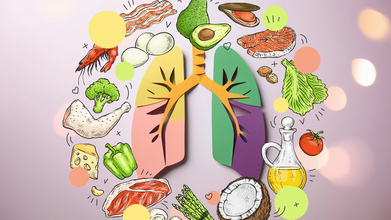
What Should Tuberculosis Patients Eat? Experts Explain
Credits: Canva
Tuberculosis continues to be one of India’s most persistent infectious diseases, but beyond medicines and diagnostics, one factor often decides how well a patient recovers or resists infection in the first place: nutrition. Experts say food and lifestyle are not just supportive elements in TB care. They are central to both recovery and prevention.
Why Nutrition Matters More Than You Think
Tuberculosis and malnutrition are closely linked. The infection weakens the body, reduces appetite, and leads to weight loss, while poor nutrition further lowers immunity, making it harder to fight the disease. Research, including findings published in PubMed Central, shows that undernutrition significantly increases the risk of developing active TB and worsens outcomes during treatment.
Dr Mihir Gangakhedkar explains that TB is both a cause and effect of protein energy malnutrition. In simple terms, poor dietary habits can increase susceptibility, and the disease itself further drains nutritional reserves. To counter this, patients often require nearly 1.5 times their usual calorie intake to regain weight and strength.
Read: Is Cough Really Necessary For TB? 80% Of Patients Don't Have It, Says Study
What Should TB Patients Eat?
Experts agree that rebuilding the body starts with prioritizing protein and calorie intake.
Dr Sumeet Singhania recommends including protein-rich foods such as eggs, lentils, dairy products, and meat to help repair tissues and regain muscle mass. Dr Gangakhedkar echoes this, adding paneer, curd, and even protein supplements if needed.
Alongside protein, micronutrients play a critical role. Colorful fruits and vegetables provide vitamins A and C, which support immune function and recovery. Whole grains like millets offer sustained energy, which is crucial for patients dealing with fatigue.
Another key takeaway from research is consistency. The RATIONS study in India demonstrated that improving dietary intake among families of TB patients reduced disease incidence by nearly 40 percent. This highlights that nutrition is not just important for patients, but also for those living with them.
Patients are also advised to avoid processed and junk foods, which offer little nutritional value and may slow recovery.
Read: World Tuberculosis Day 2026: Theme, Origin, And Significance
Can Lifestyle Changes Prevent TB?
While TB spreads through airborne droplets, not everyone exposed develops the disease. Immunity plays a decisive role here.
Dr Harsha Jain emphasizes that a strong immune system can significantly reduce the risk of developing active TB. This includes maintaining a balanced diet, engaging in regular physical activity, getting adequate sleep, and managing stress.
Certain habits can increase vulnerability. Smoking damages the lungs and weakens local immunity, while excessive alcohol intake can impair overall immune response. Avoiding these is considered essential.
Environmental factors also matter. Good ventilation reduces the concentration of infectious droplets in the air, and simple practices like covering the mouth while coughing can limit transmission. Early screening, especially for high-risk individuals, adds another layer of protection.
Food, Habits And Recovery Go Hand In Hand
TB treatment is often long and demanding, but recovery is not driven by medication alone. A nutrient-rich diet helps the body heal faster, regain weight, and tolerate treatment better. At the same time, healthy lifestyle choices strengthen immunity and reduce the chances of infection or relapse.
In a country where TB remains widespread, these everyday choices can quietly make a powerful difference.
Dr. Sumeet Singhania is a Consultant, Pulmonary Medicine at Kokilaben Dhirubhai Ambani Hospital, Mumbai
Dr Harsha Jain is a Consultant - Pulmonologist at Sahyadri Super Specialty, Deccan
Dr. Mihir Gangakhedkar is a Consultant - Pulmonology at Fortis Hospital Mulund, Mumbai
- Follow Us :


© 2024 Bennett, Coleman & Company Limited