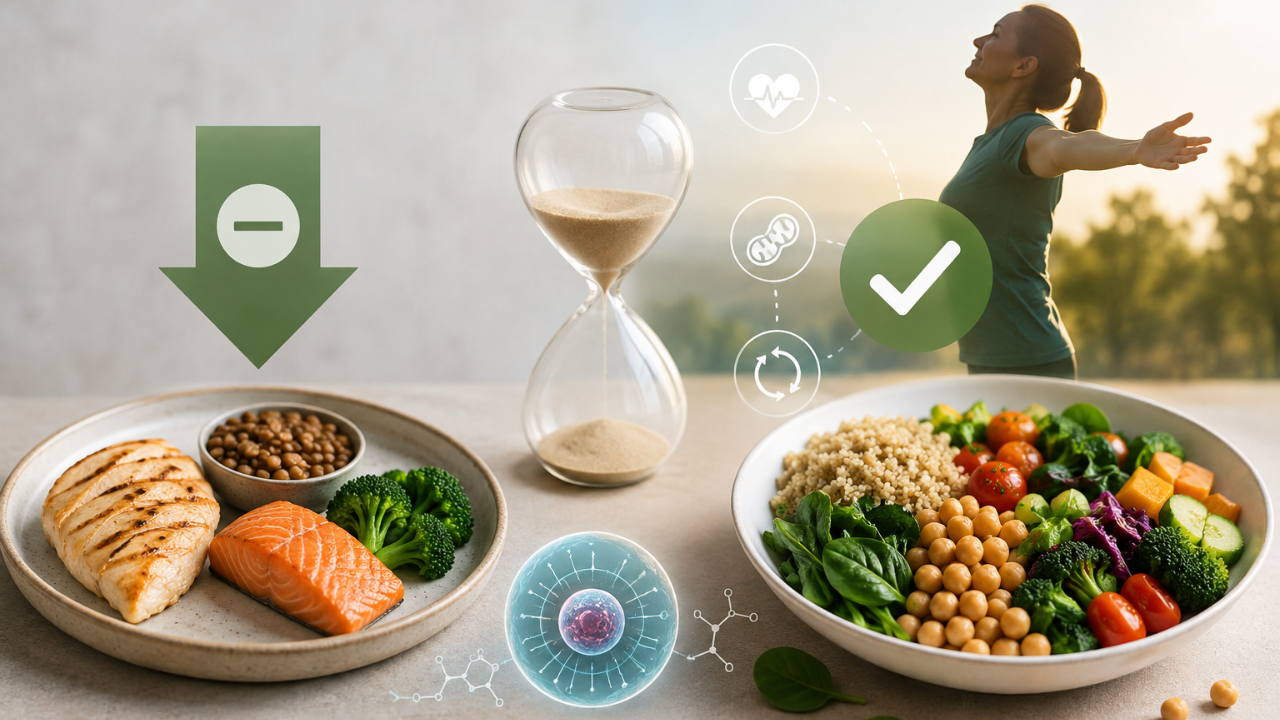
High-protein diets have become increasingly popular among fitness enthusiasts and health-conscious masses. However, a new scientific review suggests that many adults, particularly those who are sedentary, maybe consuming more protein than they actually need. The study also shows that eating less protein rather than more may support healthier ageing by improving metabolism and reducing age-related biological changes. Are Low Protein Diets The Key To Live Longer? The review, published by Cell Press, studied data from more than 350 studies investigating how dietary protein affects ageing and metabolic health. Researchers concluded that reducing overall protein intake, or restricting certain amino acids like methionine, isoleucine, and valine, activates biological pathways linked to better metabolic function, cellular maintenance, and lower inflammation. According to the researchers, several of these benefits appear to be driven by fibroblast growth factor 21 (FGF21), a hormone that rises when protein intake falls. Higher FGF21 levels have been associated with better insulin sensitivity, better blood sugar regulation, increased energy expenditure, and healthier ageing in experimental models. Lead author Dr Dudley Lamming, professor at the University of Wisconsin-Madison, said the growing popularity of protein-enriched foods may not benefit everyone. "Our review suggests that reducing protein intake, rather than calories, may provide many of the same metabolic benefits while being easier for people to follow," the research team noted, adding that protein recommendations may need to be tailored according to an individual's age and physical activity rather than using a one-size-fits-all approach.Also read: Do Most Adults Eat More Protein Than They Need? New Review Challenges The 'High-Protein' TrendExcessively High-Protein Diets May Increase Metabolic BurdenHealthandMe spoke to Dr. Mukesh Thakur, Director - Internal Medicine, Acute Medicine & Clinical Transformation, Sir H. N. Reliance Foundation Hospital, to find out who should and should not cut back on protein to improve longevity. The doctor says that protein is essential for maintaining muscle mass, supporting immune function, and promoting overall health. Dr Thakur says, "The optimal amount of protein varies depending on factors such as age, overall health status, and, most importantly, an individual's level of physical activity. For people who are largely sedentary, consuming very high amounts of protein may not offer additional health benefits." He added that if the excess protein consumed is not utilized to build or maintain muscle through regular physical activity, it may contribute to excess calorie intake and increase metabolic stress. He also explains, "Emerging research also suggests that chronically high protein intake, particularly from animal sources, may overstimulate biological pathways such as IGF-1 and mTOR, which have been linked to accelerated ageing in experimental studies." To sum up, for individuals with obesity or diabetes, excessively high-protein diets can be particularly concerning, as they may increase the metabolic burden and are not necessarily associated with better health outcomes. Conclusion The researchers caution that the findings should not be interpreted as a recommendation for everyone to reduce protein intake. While sedentary adults consuming excessive protein may benefit from moderation, adequate protein remains essential for older adults, athletes, pregnant women, children, and people recovering from illness or surgery to maintain muscle mass and overall health.