
- Health Conditions A-Z
- Health & Wellness
- Nutrition
- Fitness
- Health News
- Ayurveda
- Videos
- Medicine A-Z
- Parenting
Blueberry-Rich Diet Linked to Higher Happiness Levels, Here's Why

(Credit : Pinterest)
In a world where stress, anxiety and declining mental well-being are becoming increasingly common, many people are looking for simple lifestyle habits that can promote positive mood and psychological resilience.
New research suggests that eating around three servings of flavonoid-rich foods everyday, especially fruits such as blueberries, strawberries, apples and citrus fruits, may be linked with higher levels of happiness and optimism over time.
A large-scale observational study utilized data from the US Nurses Health Study 2026, one of the largest and longest running health studies focused on women. Scientists at Queens University Belfast and Harvard T.H. Chan School of Public Health analyzed the eating habits and mental health of tens of thousands of women aged 60 and over for a period of up to 18 years.
Participants who consumed about three servings per day of flavonoid-rich foods were found to be three percent more likely to maintain sustained happiness over time and about six percent more likely to maintain long-term optimism
According to the authors, greater consumption of particular fruits such as blueberries and strawberries in some instances correlated with an 8-16 percent higher probability of being psychologically well over time.
Although the percentage increments may seem minor, the team of researchers point out that tiny effects at the population level can have a significant impact, particularly when the observation period is as long as almost twenty years.
The results were additionally featured in a press release of the International Blueberry Organization, which stressed the public health impact of regularly eating flavonoid-rich fruits.
Why Are Flavonoids Important?
Flavonoids are plant compounds that occur naturally in plants. They can be found in a variety of colorful fruits and vegetables as well as in some beverages, including:- Berries (blueberries, strawberries)
- Apples and pears
- Citrus fruits (oranges, grapefruit)
- Tea and red wine
How Does Diet Affect Happiness?
Researchers propose several biological explanations that might explain this phenomenon:1. Reduced Inflammation: Chronic low-grade inflammation has been associated with depressive symptoms. Flavonoids may help dampen inflammatory pathways in the body.
2. Antioxidant Protection: One of the most dangerous byproducts of metabolism is oxidative stress and the damage it causes to our cells, including neurons involved in emotional regulation. Flavonoids are effective in the neutralization of free radicals.
3. Improved Vascular Function: Better blood vessel function may enhance cerebral blood flow, supporting optimal brain performance.
Surprisingly, the researchers also retained that an individual with higher levels of optimism was more likely to maintain healthy diets over time, hence, the possibility of a "virtuous cycle" mood and nutrition may reinforce one another.
A Simple, Actionable Takeaway
Incorporating three daily servings of flavonoid-rich foods could look like:- Blueberries with breakfast
- An apple as an afternoon snack
- Citrus slices in a salad
- A cup of tea in the evening
While research keeps delving into the complex connection between diet and mental health, the takeaway message that emerges is: our diet not only supplies energy to our bodies but it also influences the quality of our mood and outlook on life.
Food Safety In Pregnancy: What To Eat And Avoid To Dodge Listeria

Eating clean, home-cooked food during pregnancy can be beneficial for both mother and child. (Photo credit: iStock)
During pregnancy, food safety becomes extremely important. Certain foods can carry harmful bacteria like Listeria, which may affect both the mother and the unborn baby. Hence, it is imperative to know which foods to avoid during pregnancy. Follow the guidelines given by the expert to stay healthy during this crucial phase. Read on to know more about this.
Dr Tanveer Aujla, Consultant Obstetrician & Gynaecologist, Motherhood Hospitals, Noida, spoke about the importance of eating right during pregnancy.
Pregnancy is a time when women need to be extra careful about their diet and hygiene. The body undergoes many changes, and the immune system becomes slightly weaker, increasing the chances of infections in pregnant women. One such infection is caused by a bacterium called Listeria, which can be present in contaminated food. Here, the expert helps to explain Listeria and suggests food safety tips.
What is listeria?
Listeria is a type of bacteria that can cause an infection known as listeriosis. This infection usually spreads through contaminated food. In healthy individuals, it may cause mild symptoms such as fever, body aches, or stomach upset. However, during pregnancy, it can be more serious because the bacteria can pass to the unborn baby via the placenta. In some cases, it may lead to complications such as miscarriage, premature birth, or infection in the newborn. Hence, it is the need of the hour for pregnant women to pay attention to their diet.
Food safety tips for pregnant women
Pregnant women should follow these food safety tips:
- Prioritise food hygiene to prevent infections
- Make sure to wash fruits and vegetables properly before eating
- Food should be cooked thoroughly, especially eggs and seafood
- It is also important to store food properly
- Avoid eating food that has been kept outside for too long or stale food
- Say no to raw milk or products made from unpasteurised milk, as they may contain harmful bacteria
- Street food that is kept uncovered for long hours can easily get contaminated with bacteria
- Leftover food that is not stored properly in the refrigerator can develop bacteria if reheated multiple times, so discard leftover food
- Certain soft cheeses or ready-to-eat refrigerated foods may carry Listeria if not stored properly.
Therefore, make sure to store food as advised by the expert to avoid any health issues during pregnancy. Taking these vital precautions can go a long way in ensuring a healthy pregnancy and protecting the baby’s growth and development. So, pregnant women should take charge of their health and adhere to safe food practices. Stay vigilant!
Why Just Walking, Skipping Sugar May Not Help Lower Diabetes and BP: Doctors Explain
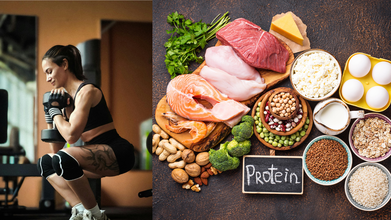
Credit: Canva
For many working professionals, going to the gym often feels like a luxury. Their days begin early and end late—rushing for buses and metros, juggling deadlines, presentations, meetings, and endless reports.
So when they are diagnosed with conditions like diabetes or high blood pressure, the most practical and affordable option left is walking. Another common step is cutting down on sugar in tea and coffee. While these are good starting points, these may not be enough.
Calling them "most frustrating", Dr. Sudhir Kumar, Neurologist at Apollo Hospital, Hyderabad noted that such "patients are losing a battle they think they are winning".
"Every day, I see patients with obesity, Type 2 Diabetes, or hypertension who tell me: 'I walk every morning, Doctor'. 'I do all the household work.' 'I have stopped adding sugar to my tea'," said Dr Kumar, in a post on social media platform X.
He also cited these as "dangerous health misconceptions", wherein the patients feel they have done their part, but "their blood work and body composition tell a different story".
Popularly known as the Hyderabad doctor on X, the noted neurologist shared some evidence-based reality of why "walking and quitting sugar" may not be enough.
Several studies have pointed out that walking or undertaking household chores is better than a sedentary behavior. However, neither can be a "substitute for strength training", Dr. Kumar said.
Although walking can burn a few calories, "strength training builds the 'engine' that burns glucose even while you sleep".
"If you are not lifting weights or doing resistance training at least twice a week, your insulin resistance will likely persist, regardless of your step count", he said.
Speaking to HealthandMe, Dr. Manisha Arora, Director - Internal Medicine at the CK Birla Hospital, Delhi, explained that cutting sugar and walking are good first steps, but they do not solve the problem of diabetes and high blood pressure.
"Insulin resistance, inflammation, and loss of muscle all contribute to these diseases. Light walking may help, but the intensity and duration of exercise are also important," he added.
What Is Strength Training?
Strength training exercises force muscles to contract against an external force, such as body weight, dumbbells, or bands. Common examples include
- squats,
- lunges,
- step-ups,
- push-ups,
- planks.
Strength training helps
- Decrease insulin resistance
- Lower blood pressure
- Improve cognitive function
- Reduce systemic inflammation
- Protect against neurodegenerative diseases like Alzheimer’s.
Focus On Protein Leverage
Dr. Kumar further mentioned the diet trap that most people fall into, that is., cutting out sweets and sugar, while loading up the plate with carbohydrate-rich foods such as rice, roti, and poha — 80 percent — and zero protein content.
"Refined carbohydrates (even without added sugar) spike insulin similarly to sugar," he said, calling "no sugar as the bare minimum".
The doctor noted that "a protein-deficient diet can lead to muscle loss and increase hunger".
To lower blood sugar levels, the experts urged to cut down on other foods, such as
- refined carbohydrates,
- processed foods,
- low-fiber foods.
"Focus on protein leverage. Prioritize 1.2g to 1.5g of protein per kg of body weight. When you hit your protein goals, your craving for carbs naturally drops," Dr. Kumar said.
To see the real change in blood sugar and BP levels, he advised people to "add two days of resistance training (bodyweight, bands, or weights)", instead of "just walking",.
The neurologist also recommended "starting the meal with protein paneer, eggs, sprouts, lean meat, and to eat carbs last, and in smaller portions".
In addition, a diet high in protein and fiber from whole grains, fruits, and nuts can also help control blood sugar levels.
"The most successful approach to controlling blood sugar results from combining aerobic exercise with strength training, along with balanced nutrition," said Dr Arora.
Liver Disease: Expert Says Eating Right Can Reverse Inflammation

Following a healthy diet can help reverse liver disease. (Photo credit: iStock)
The liver is “the quiet guardian of our health," a detoxifying symphony that filters out toxins and regulates metabolism. It is responsible for maintaining blood sugar levels and detoxifying metabolic waste and chemicals, which helps clear brain fog, giving mental clarity. Dr Narendra K. Shetty, Kshemavana Naturopathy and Yoga Center, explained how an inflamed liver can be healed with the power of nutrition.
Also Read: GLP-1 Drugs: Why Not Everyone Taking Ozempic May Have Lower Blood Sugar Levels
The role of liver
According to Traditional Chinese Medicine, the liver is not just a physical organ but is also linked to the emotion of anger; when overwhelmed, it reflects both internal stress and physiological imbalance. It maintains internal homeostasis through multiple integrated functions. It has hepatocytes, which regulate carbohydrate metabolism by glycogenesis and gluconeogenesis to stabilise blood glucose. In protein metabolism, the liver performs deamination and converts ammonia to urea via the urea cycle. It synthesises essential plasma proteins like albumin and clotting factors. Lipid metabolism includes beta (ß)-oxidation, cholesterol synthesis, and lipoprotein formation. The liver also produces bile for fat digestion and excretes bilirubin. Additionally, it detoxifies drugs and toxins through phase I and II reactions while storing vitamins (A, D, B12) and iron.
Perhaps our liver is one of the most overworked organs we rarely think about.
Treating liver ailments with nutrition
Interestingly, one of the most loved modern rituals, coffee, may actually be a quiet healer. Coffee culture has deeply rooted itself among Gen Z and millennials; it is how we connect, unwind, and energise. Beyond its social charm, research shows that moderate consumption of black coffee is associated with lower liver enzyme levels and reduced fat accumulation, as it contains flavonoids and antioxidants. It reduces inflammation and assists the liver in its natural detoxification process. The catch, however, lies in avoiding excessive sugar, syrups, and creams that turn a drink from a “boon” to a “curse” by becoming a metabolic burden. But relying on a single habit is never enough, and healing of the liver is about consistent everyday choices.
Everyday habits to follow for a healthy liver
A small mindful ritual, like beginning your day with soaked nuts, can actually nourish your liver. Packed with healthy fats, vitamin E, and antioxidants, they help ease inflammation, balance lipids, and create a gentle, supportive space for the liver to repair and thrive.
Nature offers simple yet powerful support. Garlic, abundant in sulfur compounds like allicin, activates detoxification pathways, helps in lipid metabolism, and calms inflammation, subtly aiding the liver in the continuous process of repair and regeneration. Adding more to it, citrus fruits, with their vitamin C and antioxidant profile, reduce oxidative stress and support cellular protection. Some good fats, like omega-3 fatty acids found in foods such as flaxseeds and walnuts, help reduce fat, improve insulin sensitivity, and calm inflammation that directly influences liver metabolism.
Choline-rich foods, such as eggs and legumes, play a vital role in fat transport and help in metabolising fat, supporting its structural integrity. Choline is also essential for the synthesis of VLDL (very low-density lipids).
Liver detox explained
The idea of “healing” the liver is not about quick detox trends but about reducing its burden and supporting its resilience by choosing simple, nourishing foods daily. The liver already knows how to heal; it regenerates, repairs, and restores continuously. In a world that thrives on excess caffeine, stress, and processed food, perhaps the answer lies in mindful choices—“not eliminating what we love, but refining it.” Not rejecting food, but respecting it in its simplest form.
In conclusion, while diet alone may not provide immediate reversal of liver pathology, consistent nutritional choices play a pivotal role in supporting hepatic function, preventing disease progression, and promoting long-term health. When we align our habits with nature, even the most overworked organs begin to restore themselves, “silently, steadily, and powerfully.”
- Follow Us :


© 2024 Bennett, Coleman & Company Limited